
Innovations in Pet Food: A B2B Wholesaler’s Guide
Discover 7 key innovations in pet food for B2B wholesalers, from insect protein to smart packaging. Stay ahead of trends and meet retailer demand.

1. High-Protein Insect-Based Formulas
Insect protein is revolutionizing pet food with sustainable, hypoallergenic options. Black soldier fly larvae and crickets offer complete amino acid profiles while requiring minimal land and water. For B2B wholesalers, this means access to novel proteins that cater to pets with food sensitivities and eco-conscious consumers. Suppliers like Ynsect and Protix now provide bulk insect meal with consistent quality.
These ingredients are not only nutritious but also cost-competitive as production scales. Wholesalers can differentiate by offering insect-based kibble or treats, targeting premium and specialty markets. Ensure your suppliers provide allergen-free certifications and traceability from farm to finished product.

2. Precision Fermentation for Sustainable Proteins
Precision fermentation uses microbes to produce animal-identical proteins without livestock. Companies like Bond Pet Foods create chicken and beef proteins through fermentation, drastically reducing environmental impact. For wholesalers, this opens doors to lab-grown meat ingredients that appeal to eco-friendly brands.
The technology ensures consistent protein quality and eliminates risks like antibiotics or pathogens. As consumer demand for sustainable pet food grows, offering precision-fermented ingredients can position your catalog as forward-thinking. Look for suppliers with scalable production and regulatory approvals.
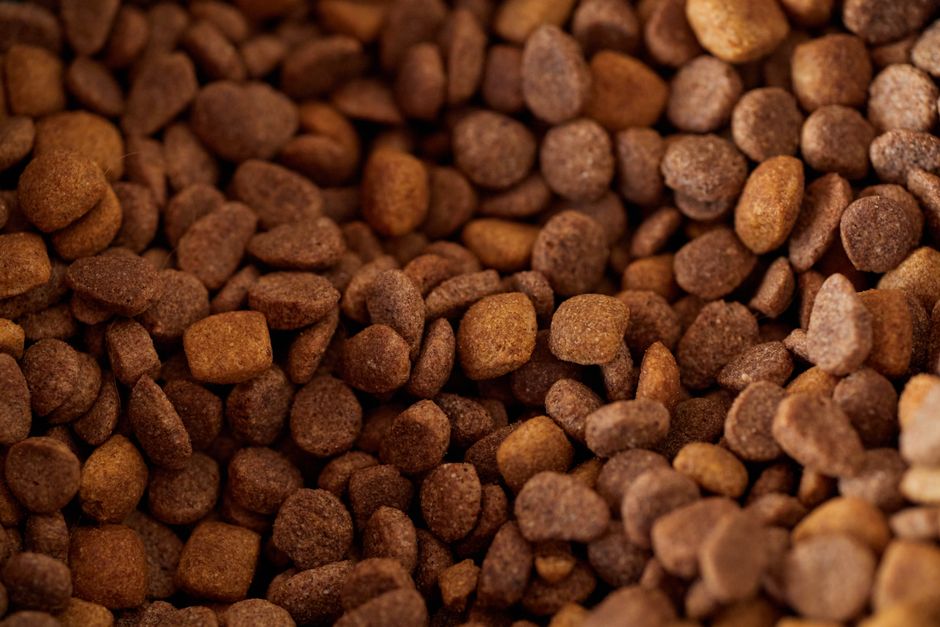
3. Customized Nutrition via AI and Data Analytics
AI-driven platforms now analyze pet health data to formulate personalized diets. Startups like The Farmer's Dog and Ollie use algorithms to tailor recipes based on breed, age, and health conditions. For B2B buyers, partnering with these companies means offering customizable meal plans to retail clients.
Wholesalers can integrate AI tools for inventory forecasting and demand planning. By stocking modular ingredients (e.g., single-protein sources, vitamin packs), you enable retailers to create personalized blends. This trend shifts pet food from one-size-fits-all to precision nutrition, increasing customer loyalty and repeat orders.
4. Freeze-Dried Raw and Minimal Processing
Freeze-dried raw pet food retains nutrients while offering convenience and long shelf life. Brands like Stella & Chewy's and Primal lead this segment, using high-pressure processing (HPP) to eliminate pathogens without heat. For wholesalers, freeze-dried products command premium prices and attract health-conscious pet owners.
The technology preserves enzymes and probiotics that are often destroyed in traditional extrusion. B2B buyers should source from manufacturers with HPP capabilities and rigorous safety testing. Offering a range of freeze-dried raw formulas—from complete meals to toppers—can meet diverse retailer needs.
5. Plant-Based and Vegan Formulas
Plant-based pet food is gaining traction, with brands like Wild Earth and V-Dog using yeast protein, legumes, and grains. These options appeal to vegan owners and pets with allergies. For wholesalers, plant-based lines expand market reach and align with ethical consumption trends.
Formulations must meet AAFCO standards for complete nutrition, including taurine for cats. Wholesalers should verify third-party testing and nutritional adequacy statements. Stocking both dry and wet plant-based options can cater to different feeding preferences and price points.
6. Upcycled Ingredients for Reduced Waste
Upcycled pet food uses by-products from human food production—like spent grains, fruit pomace, and vegetable scraps. Brands such as ReGrained and Only Natural Pet create nutritious ingredients while combating food waste. For B2B buyers, this offers cost savings and a sustainability story.
Wholesalers can source upcycled proteins, fibers, and oils that meet pet food safety standards. Highlighting the circular economy aspect can help retailers market to environmentally conscious consumers. Ensure your suppliers provide full transparency on sourcing and processing methods.
7. Smart Packaging with QR Codes and Freshness Indicators
Innovative packaging now includes QR codes linking to batch-specific nutrition data and freshness sensors that change color if the food is compromised. Companies like Mimica and Bump Mark develop indicators for perishable pet foods. For wholesalers, smart packaging reduces returns and builds trust.
B2B buyers should look for suppliers offering integrated digital labels that track shelf life and supply chain conditions. This technology enhances inventory management and provides retailers with a value-add feature. As e-commerce grows, smart packaging also enables direct consumer engagement through recipe tips and loyalty programs.