Natural Pet Products: Complete Wholesale Buyer’s Guide
Introduction to Natural Pet Products in the B2B Market
The demand for natural pet products has skyrocketed as pet owners increasingly seek healthier, eco-friendly options for their furry companions. For wholesale buyers, this trend presents a lucrative opportunity to stock premium goods that align with consumer values. This guide provides a comprehensive overview of natural pet products, market insights, sourcing tips, and strategies to succeed in the B2B space.

What Are Natural Pet Products?
Natural pet products are items made from minimally processed, naturally derived ingredients without artificial additives, preservatives, or synthetic chemicals. They span multiple categories:
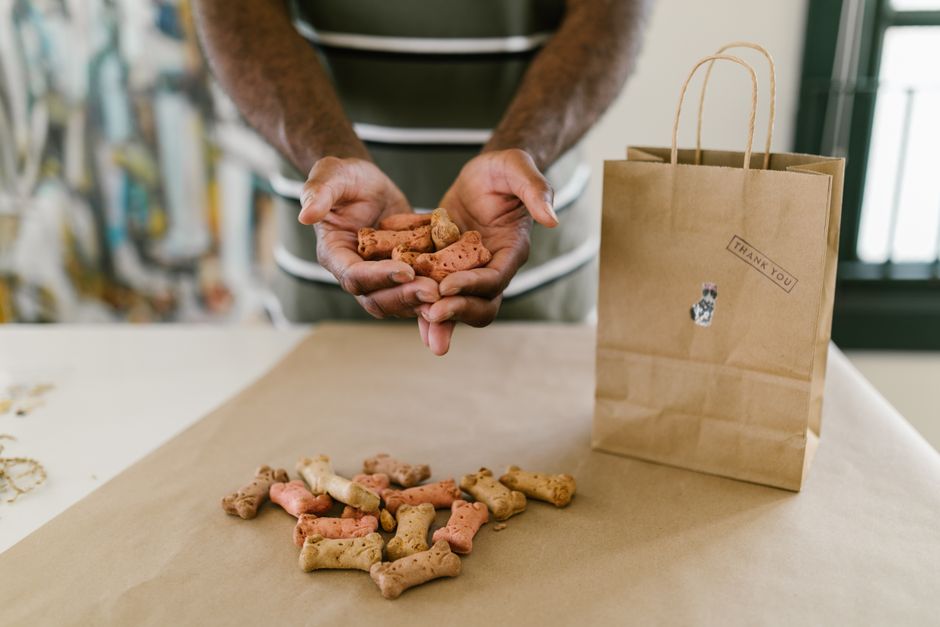
- Food & Treats: Grain-free, organic, or raw diets; single-protein treats.
- Supplements: Probiotics, omega-3s, herbal remedies for joint, skin, and digestive health.
- Grooming: Shampoos, conditioners, and wipes with botanical extracts.
- Litter & Waste: Biodegradable litter, compostable poop bags.
- Toys & Accessories: Hemp toys, natural rubber chews, organic cotton beds.
Why Natural Pet Products Are Booming
Several factors drive the surge in natural pet product sales:
- Humanization of Pets: Owners treat pets as family, demanding the same quality they want for themselves.
- Health Concerns: Rising awareness of food allergies, obesity, and chemical sensitivities prompt natural alternatives.
- Sustainability: Eco-conscious consumers prefer biodegradable, cruelty-free, and ethically sourced products.
- Regulatory Push: Stricter labeling laws and clean-label trends encourage transparency.
Key Market Segments for Wholesale Buyers
Natural Pet Food
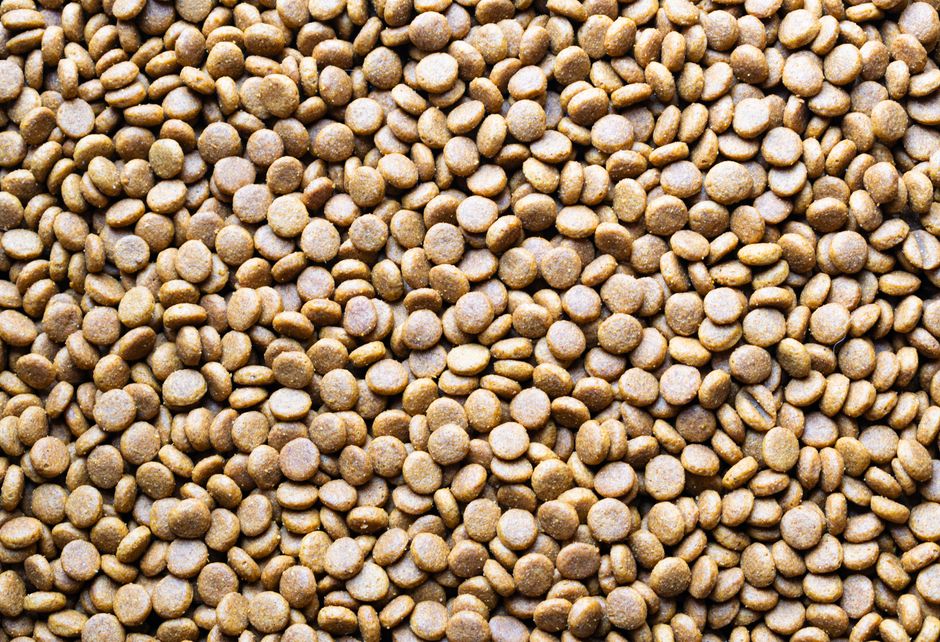
This segment dominates the market. Popular subcategories include freeze-dried raw, dehydrated, and organic kibble. Look for certifications like USDA Organic, Non-GMO Project Verified, or AAFCO nutritional standards.
Functional Treats & Supplements
Treats with added benefits (e.g., dental health, calming) are top sellers. Supplements for joint support (glucosamine, CBD) and digestion (probiotics) have high margins.
Eco-Friendly Grooming & Hygiene
Shampoos free of sulfates, parabens, and artificial fragrances appeal to sensitive pets. Biodegradable wipes and litter attract environmentally aware buyers.
Sustainable Accessories
Hemp collars, recycled material toys, and organic bedding are gaining traction. These items often command premium pricing.
How to Source High-Quality Natural Pet Products
Follow these steps to find reliable suppliers:
- Attend Trade Shows: Global Pet Expo, SuperZoo, and Interzoo are excellent for networking and product discovery.
- Verify Certifications: Look for USDA Organic, Non-GMO, Fair Trade, or Leaping Bunny (cruelty-free) logos.
- Request Samples: Test products for quality, palatability, and durability before committing to large orders.
- Check Ingredient Sourcing: Prefer suppliers who disclose origin and use human-grade ingredients.
- Evaluate Packaging: Eco-friendly materials (recyclable, compostable) align with brand values and reduce waste.
Pricing Strategies for Wholesale Natural Pet Products
Natural products often have higher production costs. Use the table below as a pricing guideline:
| Product Category | Typical Wholesale Price Range | Retail Markup |
|---|---|---|
| Natural dry food (5 lb bag) | $10–$18 | 40–50% |
| Freeze-dried treats (4 oz) | $6–$12 | 50–60% |
| Organic shampoo (12 oz) | $5–$10 | 50–70% |
| Biodegradable litter (10 lb) | $8–$15 | 40–55% |
| Hemp dog toy | $3–$8 | 60–80% |
Marketing Natural Pet Products to Retailers
To sell effectively, emphasize these benefits:
- Health Claims: Backed by studies or testimonials, e.g., improved coat shine, reduced allergies.
- Eco-Credentials: Carbon-neutral shipping, recyclable packaging, or donations to animal charities.
- Certifications: Display logos prominently on product pages and marketing materials.
- Education: Provide training for retail staff on natural pet nutrition and product usage.
Common Challenges and How to Overcome Them
Shorter Shelf Life
Natural foods lack preservatives. Rotate stock frequently, use clear expiration dates, and offer smaller pack sizes.
Higher Price Point
Justify cost with quality ingredients and health benefits. Offer tiered pricing for bulk orders.
Consumer Skepticism
Provide transparency: list all ingredients, share sourcing stories, and encourage reviews.
Future Trends in Natural Pet Products
Stay ahead by watching these developments:
- Personalized Nutrition: Customized food based on pet’s breed, age, and health data.
- Insect Protein: Sustainable cricket or black soldier fly larvae as novel protein sources.
- CBD & Hemp Products: Growing acceptance for anxiety and pain relief (check local regulations).
- Refillable Packaging: Reduce waste with reusable containers and bulk dispensers.
Conclusion
Natural pet products are not just a passing fad—they represent a fundamental shift in pet care. By sourcing high-quality items, educating your clients, and staying attuned to trends, you can build a thriving wholesale business that meets the needs of discerning pet owners. Start small, test the market, and scale with confidence.
Planning a pet product range for your market?
Share the categories, target pets and packaging direction for a practical proposal.
Start a Product Inquiry