Overcoming Pet Supply Logistics Challenges for B2B

Introduction: The Unique Logistics of Pet Supply B2B
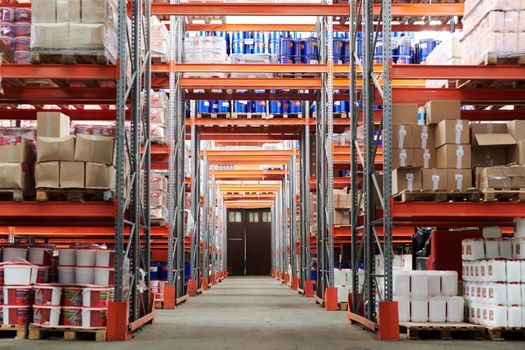
The pet supply industry is booming, with B2B buyers—from independent pet stores to large veterinary chains—demanding reliable, fast, and cost-effective delivery. However, pet product logistics present unique challenges: perishable goods like raw food, bulky items like large bags of kibble, and diverse SKU sizes. This guide will help you navigate these hurdles with practical strategies.
Key Logistics Challenges in Pet Supply B2B
1. Perishable Goods Management
Raw, frozen, or refrigerated pet foods require temperature-controlled shipping. A single break in the cold chain can lead to spoilage, health risks, and financial loss. Solution: Partner with carriers specializing in cold chain logistics and invest in real-time temperature monitoring IoT devices.
2. Bulky and Heavy Items
Large bags of dry food (up to 40 lbs) and heavy cat litter take up warehouse space and increase shipping costs. Solution: Implement dimensional weight pricing and use collapsible pallets to maximize truckload efficiency.
3. SKU Proliferation
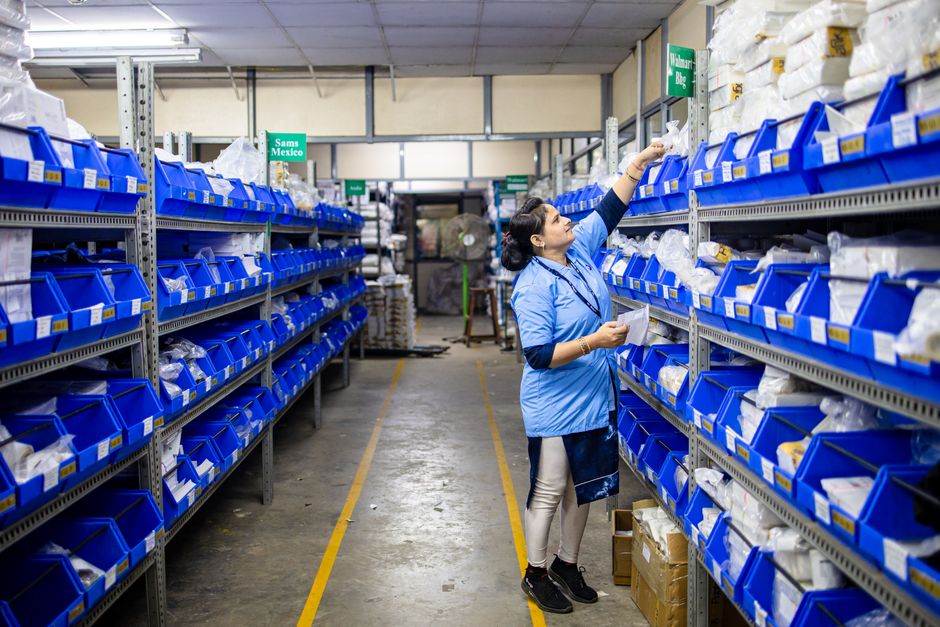
Pet supplies include thousands of SKUs—from tiny flea collars to large crates. Mismanagement leads to picking errors and delayed shipments. Solution: Use a Warehouse Management System (WMS) with barcode scanning and slotting optimization.
4. Fragile Items
Glass aquariums, ceramic bowls, and delicate toys break easily. Solution: Use custom dunnage, air pillows, and clearly label boxes as fragile. Train staff on proper handling.

Practical Tips for Overcoming These Challenges
- Optimize Inventory Placement: Store fast-moving items near shipping docks to reduce travel time.
- Use Multi-Channel Fulfillment: For nationwide B2B, consider distributed warehousing to shorten last-mile delivery.
- Leverage Technology: Implement a Transportation Management System (TMS) to compare carrier rates and automate routing.
- Negotiate with Carriers: Pet supplies often have stable demand; use volume commitments to get better rates.
- Packaging Standardization: Use uniform box sizes for similar products to reduce void fill and shipping costs.
Case Study: How XYZ Pet Supply Reduced Shipping Costs by 20%
XYZ Pet Supply, a mid-sized distributor, faced high shipping costs due to mixed SKU sizes. By re-boxing small items into standardized 12x12x12 boxes and negotiating LTL rates, they cut costs by 20% while maintaining delivery speed. They also integrated a TMS for real-time rate shopping.
Table: Common Pet Supply Logistics Challenges and Solutions
| Challenge | Solution |
|---|---|
| Perishable items | Cold chain carriers, IoT monitors |
| Bulky items | Dimensional weight pricing, collapsible pallets |
| High SKU count | WMS with barcode scanning |
| Fragile goods | Custom packaging, handling training |
Future Trends in Pet Supply Logistics
Automation (robotic picking), AI demand forecasting, and sustainable packaging are shaping the future. B2B buyers increasingly expect eco-friendly options—like biodegradable shipping materials—and faster delivery through micro-fulfillment centers.
Conclusion
Overcoming pet supply logistics challenges requires a combination of technology, strategic partnerships, and process optimization. By addressing perishable goods, bulky items, SKU complexity, and fragility, you can build a resilient supply chain that delights B2B buyers and drives repeat business.
Planning a pet product range for your market?
Share the categories, target pets and packaging direction for a practical proposal.
Start a Product Inquiry