Home Decor Industry News 2024: Key Updates for B2B Buyers
1. Sustainability Takes Center Stage in Home Textiles
In 2024, sustainability is no longer a niche trend but a core requirement for B2B buyers in the home decor industry. Major manufacturers are shifting to eco-friendly materials such as organic cotton, recycled polyester, and biodegradable fibers. This move is driven by both consumer demand and stricter environmental regulations in key markets like the EU and North America.
For B2B buyers, this means sourcing from suppliers who can provide certifications such as GOTS, OEKO-TEX, or Cradle to Cradle. Many companies are also adopting circular economy models, offering take-back programs for used textiles. Investing in sustainable products not only meets compliance but also enhances brand reputation among environmentally conscious clients.

2. Smart Textiles and IoT Integration
The integration of smart technology into home textiles is accelerating. From heated blankets with app controls to curtains that adjust based on sunlight, smart fabrics are becoming more accessible. In 2024, we see a rise in textiles embedded with sensors that monitor temperature, humidity, and even air quality.
B2B buyers should consider partnering with tech firms to develop customized smart home solutions. For example, hotel chains are investing in smart bedding that adjusts firmness for guest comfort. This segment offers high margins and differentiation opportunities for wholesalers and interior designers.
3. Rise of Biophilic Design in Home Decor
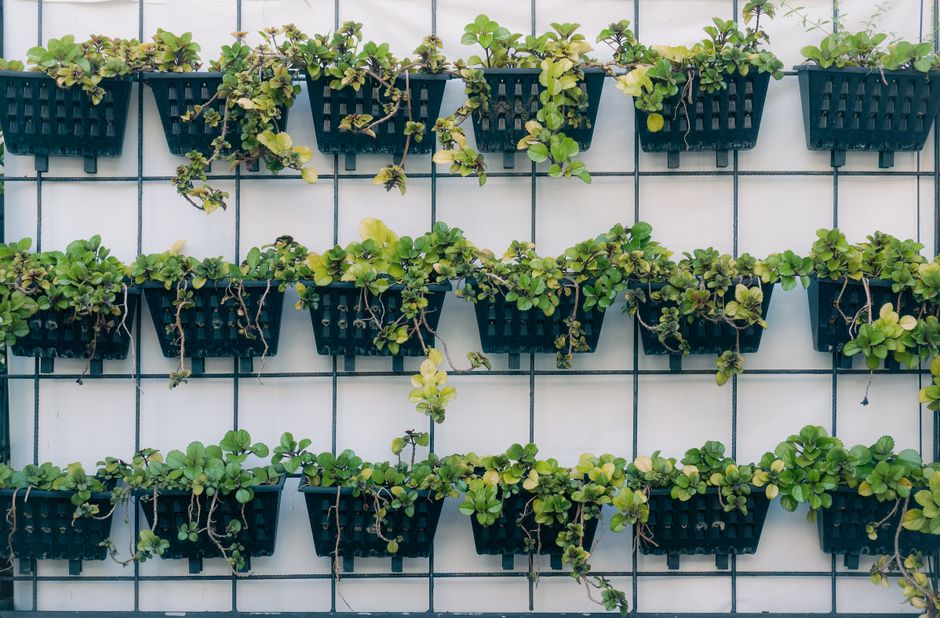
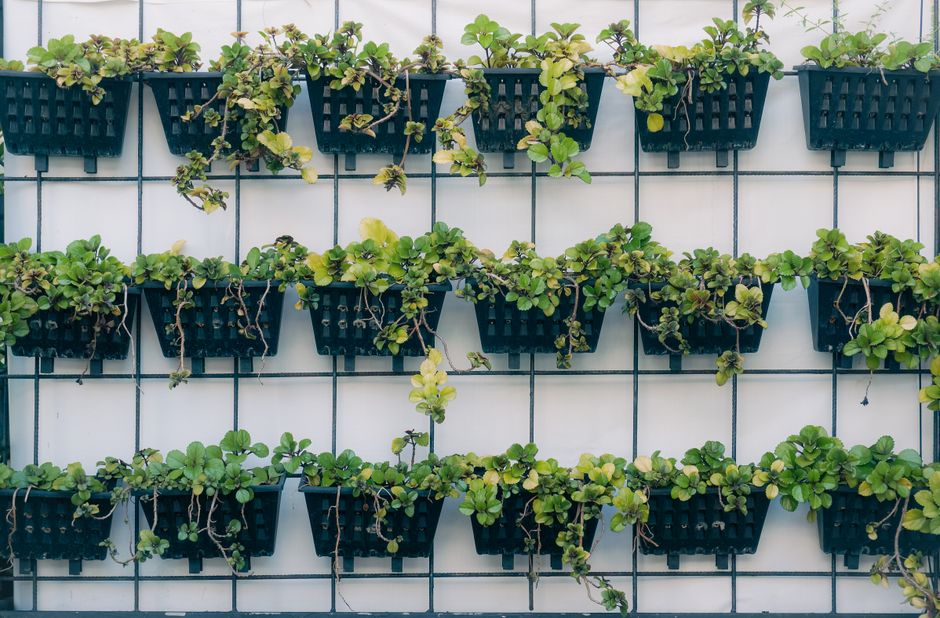
Biophilic design, which connects interiors with nature, continues to dominate in 2024. This trend influences everything from color palettes (earthy tones, greens) to materials (wood, stone, natural fibers). Home decor brands are launching collections featuring botanical prints, living walls, and organic shapes.
For B2B buyers, incorporating biophilic elements can increase property value and tenant satisfaction. Suppliers offering faux plants, natural fiber rugs, and sustainable wood furniture are in high demand. This trend also aligns with wellness-focused design, which is particularly popular in hospitality and healthcare sectors.
4. Digital Transformation in B2B Sourcing
The home decor industry is embracing digital tools for B2B transactions. Virtual showrooms, 3D product configurators, and AI-powered design assistants are becoming standard. In 2024, major trade shows like Heimtextil and Maison&Objet offer hybrid formats, allowing remote buyers to explore collections.
B2B buyers should leverage these digital platforms to streamline procurement. Many suppliers now provide real-time inventory updates, digital catalogs, and online negotiation tools. This shift reduces lead times and enables more efficient global sourcing.
5. Personalization and Customization on the Rise
Mass customization is a key trend in 2024, with B2B buyers demanding tailored solutions. Home decor brands are offering customizable options for curtains, upholstery, and even furniture. This is facilitated by advancements in digital printing and modular manufacturing.
For wholesalers, providing personalized products can command premium pricing. For example, offering custom embroidery on linens or bespoke color matching for paints. This trend also reduces inventory risk as products are made to order.
6. Supply Chain Resilience and Nearshoring
Disruptions in recent years have prompted a shift toward nearshoring. In 2024, more home decor companies are sourcing from regional suppliers to mitigate risks. For North American buyers, this means increased sourcing from Mexico and Central America; for European buyers, from Eastern Europe and Turkey.
B2B buyers should evaluate suppliers based on agility and transparency. Those with diversified supply chains and digital tracking systems are preferred. This trend also supports faster turnaround times and lower carbon footprints.
7. Vintage and Artisanal Trends
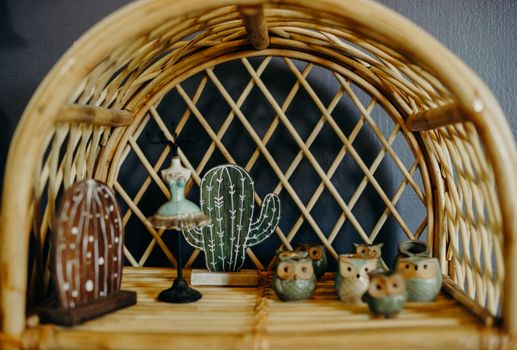
Vintage-inspired and handmade decor is experiencing a resurgence. In 2024, B2B buyers are seeking unique, artisanal pieces that tell a story. This includes handwoven textiles, ceramic vases, and reclaimed wood furniture. The aesthetic is often described as 'modern rustic' or 'grandmillennial.'
Suppliers that collaborate with local artisans or offer limited-edition collections can attract premium buyers. This trend also aligns with sustainability, as many vintage items are repurposed. For B2B buyers, curating such products can differentiate their offerings in a crowded market.
8. Focus on Health and Wellness Features
Post-pandemic, health and wellness remain top priorities. Home decor products with antimicrobial, hypoallergenic, and air-purifying properties are in high demand. In 2024, textiles infused with copper or silver ions, as well as paint with VOC-absorbing technology, are gaining traction.
B2B buyers should prioritize suppliers that provide lab-tested health claims. For instance, mattresses with cooling gel and anti-dust mite covers are popular in hospitality. This trend offers opportunities to upsell to health-conscious clients.
9. Bold Colors and Maximalist Patterns
After years of minimalism, 2024 sees a shift toward bold colors and maximalist patterns. Vibrant jewel tones, geometric prints, and layered textures are featured in collections from leading brands. This trend is particularly strong in the luxury segment.
For B2B buyers, stocking statement pieces like patterned rugs or colorful accent chairs can attract designers looking to create dramatic interiors. This trend also allows for creative merchandising and social media-friendly displays.
10. E-commerce Expansion for B2B Channels
B2B e-commerce platforms are evolving to offer consumer-like experiences. In 2024, more home decor wholesalers are launching dedicated B2B websites with bulk pricing, sample ordering, and live chat support. Integration with procurement systems like SAP and Oracle is also becoming common.
B2B buyers should embrace these platforms for convenience and transparency. Many offer volume discounts and loyalty programs. This shift reduces manual ordering errors and speeds up the purchasing process.
Planning a home textile collection for your market?
Share the rooms, fabrics and color direction for a practical development proposal.
Start a conversation