Latest Home Textile B2B Company News 2024
1. Eco-Friendly Innovations Lead the Way
Sustainability continues to dominate the home textile industry in 2024. Leading B2B companies are investing heavily in eco-friendly materials such as organic cotton, recycled polyester, and bamboo fibers. These innovations not only reduce environmental impact but also meet growing consumer demand for green products.
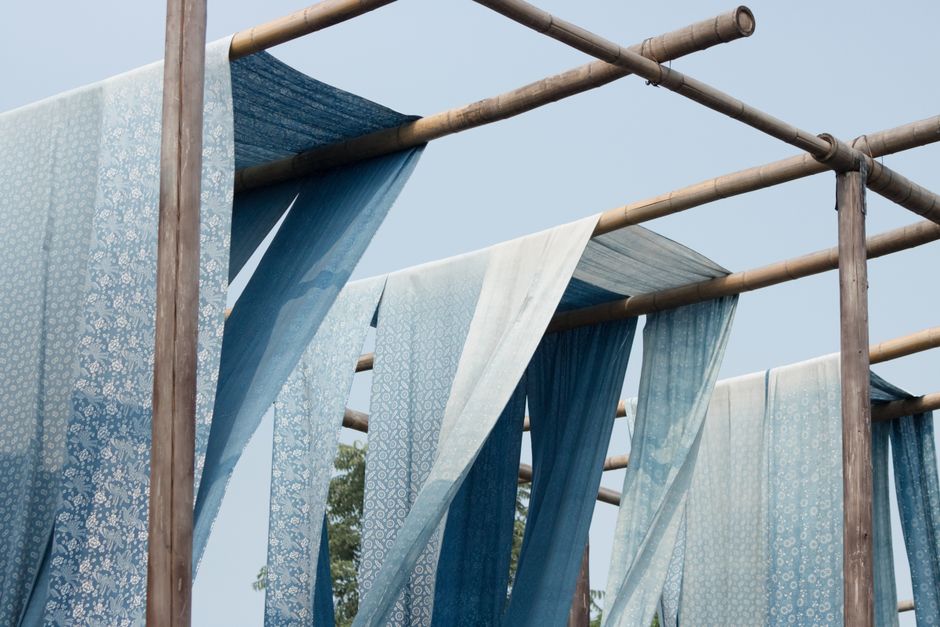
For instance, major suppliers have introduced biodegradable packaging and waterless dyeing technologies. This shift not only helps the planet but also offers B2B buyers a competitive edge in marketing to eco-conscious clients. Expect to see more certifications like GOTS and OEKO-TEX becoming standard requirements in bulk orders.

2. Smart Textiles Gain Momentum
Smart textiles are no longer a futuristic concept. In 2024, B2B companies are rolling out fabrics with integrated sensors, temperature regulation, and antimicrobial properties. These high-tech materials are particularly popular in hospitality and healthcare sectors.
Buyers can now source bed linens that monitor sleep quality or curtains that adjust opacity based on sunlight. While initially premium-priced, the long-term value and differentiation they offer make them a smart investment for forward-thinking businesses.
3. Supply Chain Resilience Becomes Top Priority
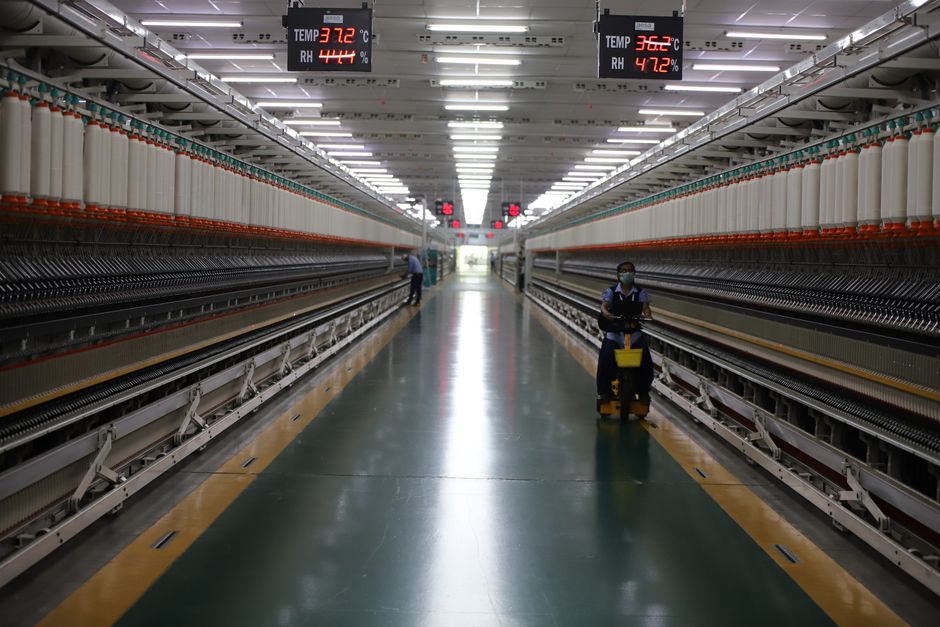
After years of disruptions, B2B home textile companies are restructuring supply chains for resilience. Nearshoring and regional sourcing are on the rise, with manufacturers setting up facilities closer to key markets like North America and Europe.
Digital tools for real-time tracking and inventory management are now standard. These improvements mean fewer delays and more reliable deliveries for buyers. Companies that previously relied on single-source suppliers are diversifying to mitigate risks.
4. Digitalization Transforms B2B Sales
The B2B buying experience is going digital. Virtual showrooms, 3D product configurators, and AI-driven recommendation engines are becoming commonplace. Home textile companies are investing in user-friendly e-commerce platforms tailored for bulk buyers.
This digital shift enables buyers to preview samples, check stock levels, and place orders 24/7. Enhanced data analytics also help suppliers predict trends and personalize offerings. The result is a faster, more efficient procurement process.
5. Customization and Personalization Boom
B2B buyers increasingly demand customized products. In 2024, home textile companies are offering flexible options for colors, patterns, sizes, and branding. This trend is especially strong in the hotel and corporate gift sectors.
Advanced digital printing allows for low minimum order quantities without sacrificing quality. Buyers can now differentiate their offerings with unique designs that reflect their brand identity. Personalization is becoming a key driver of customer loyalty.
6. Mergers and Acquisitions Reshape the Landscape
The home textile industry is witnessing a wave of consolidation. Major players are acquiring niche brands to expand product portfolios and enter new markets. For example, a leading bedding manufacturer recently acquired a sustainable linen startup to strengthen its eco-friendly range.
These M&A activities create larger, more resourceful companies that can offer comprehensive solutions to B2B buyers. However, they also mean that smaller suppliers need to innovate constantly to stay competitive.
7. Trade Shows and Networking Return Strong
After pandemic-era cancellations, in-person trade shows are back with vigor. Events like Heimtextil and New York Home Fashions Market have seen record attendance in 2024. B2B companies are leveraging these platforms to launch new collections and forge partnerships.
Virtual components remain, offering hybrid access for global attendees. But the value of face-to-face interactions for building trust and closing deals is irreplaceable. Buyers are encouraged to mark their calendars for upcoming shows.
8. Focus on Health and Wellness
Post-pandemic, health and wellness remain a top priority. Home textile B2B companies are highlighting products with antimicrobial, hypoallergenic, and moisture-wicking properties. Mattress protectors and pillow covers with these features are particularly sought after.
Additionally, fabrics infused with natural elements like aloe vera or copper are gaining popularity. These innovations cater to consumers who are more health-conscious than ever, offering B2B buyers a compelling selling point.
9. Price Volatility and Smart Sourcing
Raw material prices have been volatile, impacting profit margins. In response, B2B companies are adopting dynamic pricing models and long-term contracts to stabilize costs. Buyers are advised to lock in prices early and explore alternative materials.
Strategic sourcing partnerships are becoming crucial. Companies that maintain transparent communication with suppliers can better navigate fluctuations. Some are also investing in commodity hedging to protect against sudden spikes.
10. Regulatory Changes Impact Trade
New regulations on chemical usage and sustainability reporting are affecting home textile imports and exports. For instance, the EU's stricter REACH standards require compliance documentation for certain finishes. B2B companies are updating their processes to meet these requirements.
Buyers should verify that their suppliers adhere to all relevant regulations to avoid customs delays or penalties. Working with compliant partners not only ensures smooth transactions but also enhances brand reputation.
Planning a home textile collection for your market?
Share the rooms, fabrics and color direction for a practical development proposal.
Start a conversation