
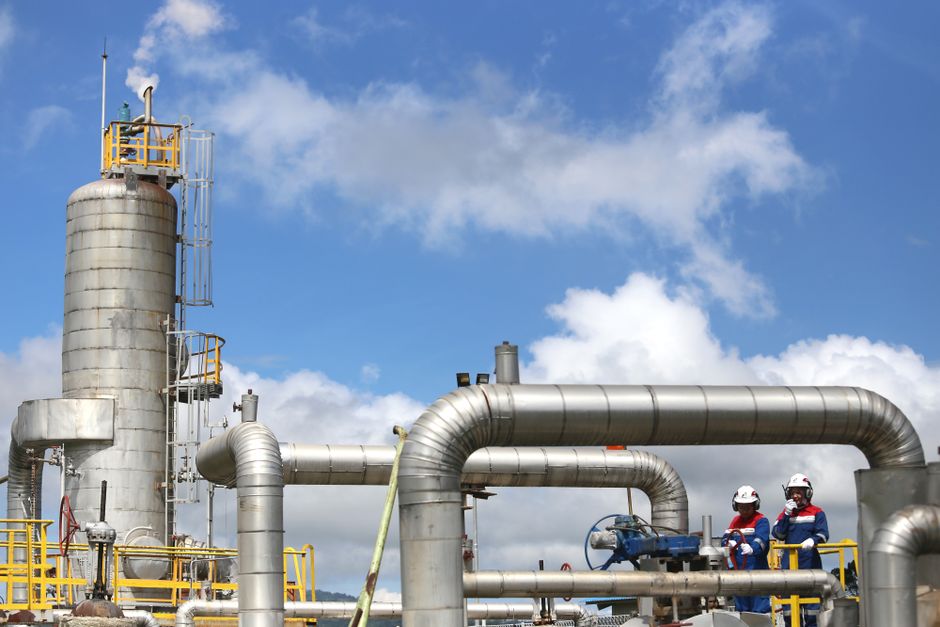
Introduction to Flowmeter Selection for Oil & Gas
Selecting the right flowmeter for oil and gas applications is critical for accurate measurement, operational efficiency, and regulatory compliance. The oil and gas industry involves diverse fluids—from crude oil and refined products to natural gas and multiphase flows—each requiring specific metering technologies. This guide provides a comprehensive framework for choosing the optimal flowmeter based on fluid properties, process conditions, and application requirements.

Key Considerations for Oil & Gas Flowmeters
Fluid Properties
Understand the fluid's viscosity, density, corrosiveness, and presence of particulates. For example, high-viscosity crude oil may require positive displacement meters, while clean, low-viscosity liquids suit turbine meters.
Process Conditions
Evaluate temperature, pressure, flow range, and required accuracy. LNG applications at cryogenic temperatures demand specialized meters like Coriolis or ultrasonic.
Regulatory Standards
Compliance with API, AGA, or ISO standards is mandatory. Custody transfer applications often require high-accuracy meters with metrological certification.

Types of Flowmeters for Oil & Gas
Coriolis Flowmeters
Ideal for high-accuracy mass flow measurement of liquids and gases. They are unaffected by changes in fluid density, viscosity, or temperature. Common in custody transfer, blending, and batching.
Ultrasonic Flowmeters
Non-invasive, suitable for clean liquids and gases. Transit-time and Doppler types handle different applications. Used in pipeline monitoring and flare gas measurement.
Positive Displacement (PD) Meters
Excellent for high-viscosity fluids and low flow rates. They provide high accuracy and repeatability, making them popular for crude oil and heavy fuel oil.
Turbine Flowmeters
Cost-effective for low-viscosity clean liquids. They offer good accuracy over a wide range but are sensitive to viscosity changes.
Vortex Flowmeters
Suitable for steam, gases, and liquids with low to moderate viscosity. They are robust and have no moving parts, reducing maintenance.
Thermal Mass Flowmeters
Direct mass flow measurement for gases, especially natural gas and compressed air. Ideal for low-flow and low-pressure applications.
Selection Criteria by Application
| Application | Recommended Flowmeter Type | Key Reason |
|---|---|---|
| Custody Transfer (Crude Oil) | Coriolis or PD | High accuracy, certified |
| Natural Gas Pipeline | Ultrasonic (transit-time) or Turbine | Large diameter, low pressure drop |
| LNG Transfer | Coriolis (cryogenic) | Handles cryogenic temperatures |
| Flare Gas Measurement | Ultrasonic or Thermal Mass | Wide range, low pressure drop |
| Wellhead Multiphase Flow | Multiphase flowmeter (MPFM) | Measures oil, water, gas simultaneously |
| Refinery Blending | Coriolis | High accuracy, mass flow |
| Steam Injection | Vortex | Handles high temperature, no moving parts |
Practical Tips for Selection
- Always verify flowmeter materials compatibility with the fluid (e.g., H2S service requires NACE compliance).
- Consider turndown ratio: wide turndown is beneficial for variable flow rates.
- Account for installation effects: straight pipe runs upstream/downstream are critical for many meter types.
- Factor in maintenance: meters with moving parts (turbine, PD) require periodic servicing; non-intrusive meters (ultrasonic, Coriolis) have lower maintenance.
- Check for hazardous area certifications (ATEX, IECEx, NEC) for use in explosive environments.
Common Mistakes to Avoid
- Ignoring fluid viscosity: using a turbine meter for heavy crude will cause rapid wear.
- Overlooking pressure drop: some meters (e.g., PD) can cause significant pressure loss in high-flow applications.
- Selecting a meter without considering the full flow range: meters operate best within their specified range; operation outside leads to inaccuracy.
- Neglecting environmental factors: outdoor installations require weatherproof enclosures.
Conclusion
Choosing the right flowmeter for oil and gas applications requires careful analysis of fluid properties, process conditions, and application-specific needs. Coriolis and ultrasonic meters offer versatility and high accuracy for many scenarios, while PD and turbine meters excel in specific niches. Partnering with a reputable manufacturer ensures proper sizing, installation, and support. By following this guide, you can make an informed decision that optimizes performance, reduces downtime, and ensures compliance.