
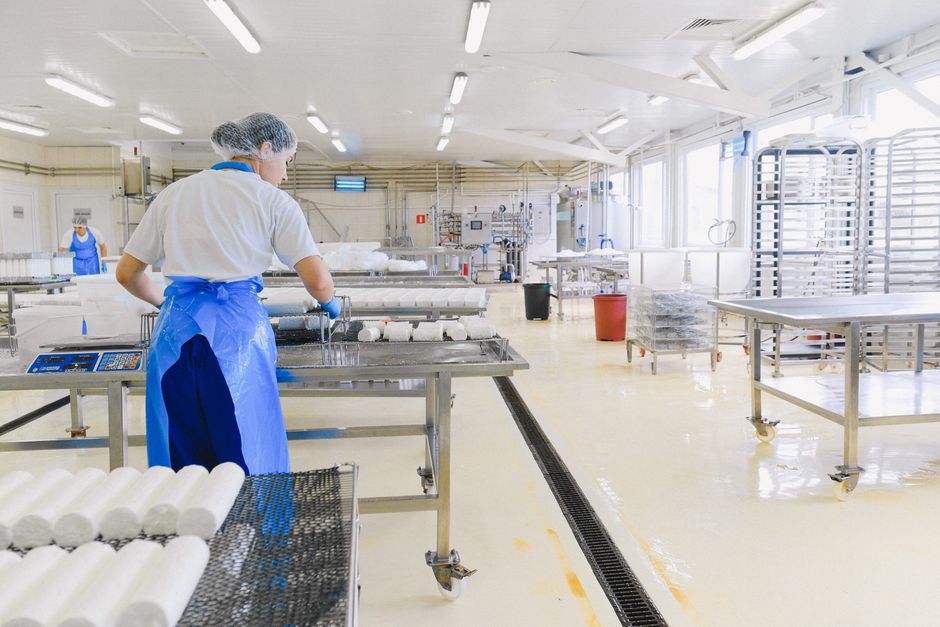
1. Magnetic Flowmeters: The Gold Standard for Hygienic Liquid Measurement
Magnetic flowmeters, also known as magmeters, are a top choice for the food and beverage industry due to their non-intrusive design and ability to handle conductive liquids like juices, dairy, and syrups. These meters have no moving parts, which minimizes wear and tear and reduces the risk of contamination. The smooth, unobstructed flow path ensures easy cleaning and meets stringent sanitary standards such as 3-A and EHEDG.
When selecting a magnetic flowmeter, look for models with FDA-approved liners like PFA or PTFE and tri-clamp connections for easy installation and removal. They offer high accuracy (typically ±0.2% of rate) and can handle varying viscosities and temperatures, making them ideal for batch processing and CIP (Clean-in-Place) systems. Their ability to measure flow in both directions also aids in recipe control and waste reduction.
For applications requiring high purity, such as pharmaceutical-grade water or beverage blending, magnetic flowmeters provide reliable, repeatable measurements without pressure drop. Leading brands like Endress+Hauser, Krohne, and ABB offer sanitary versions specifically designed for food and beverage environments.
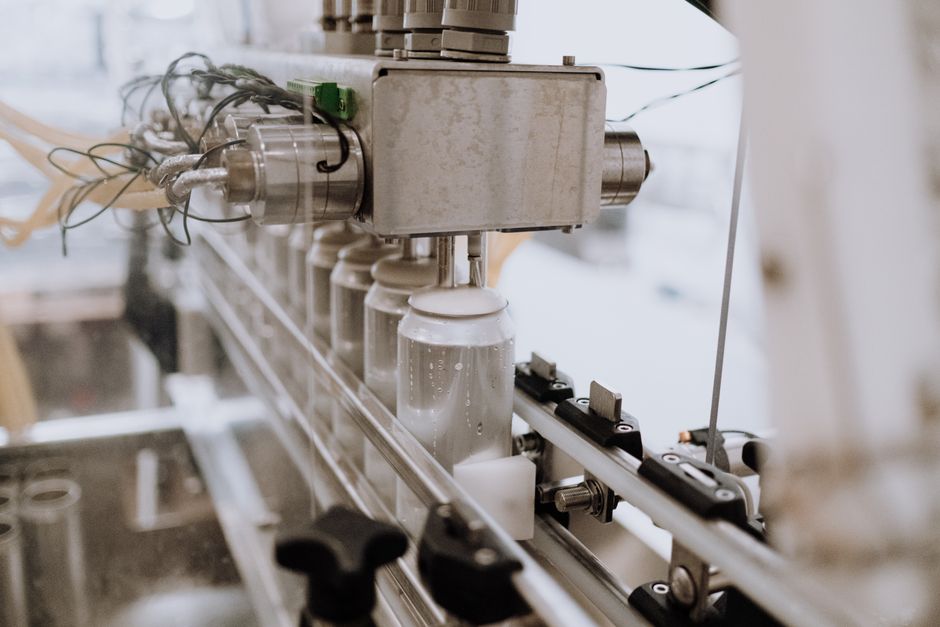
2. Coriolis Mass Flowmeters: Precision for Critical Recipes and Batching
Coriolis flowmeters are the most accurate option for mass flow measurement, directly measuring mass flow, density, and temperature. They are essential for processes where precise ingredient ratios are critical, such as in the production of sauces, dressings, and beverages. Their ability to measure multiphase fluids and handle varying viscosities makes them versatile for dairy, brewing, and confectionery applications.
These meters are hygienic by design, with no internal obstructions or dead spaces that could harbor bacteria. They are typically constructed from 316L stainless steel with electropolished surfaces and offer tri-clamp or aseptic connections. Coriolis meters are also self-draining and compatible with SIP (Sterilize-in-Place) and CIP cycles, ensuring compliance with food safety regulations like FDA and HACCP.
While Coriolis meters are more expensive than other types, their high accuracy (up to ±0.1% for mass flow) and ability to measure multiple process variables reduce the need for additional sensors. This makes them a cost-effective solution for critical applications where quality and consistency are paramount, such as in the production of baby food or nutritional supplements.
3. Ultrasonic Flowmeters: Non-Contact Measurement for Sensitive Fluids
Ultrasonic flowmeters use sound waves to measure flow rate without contacting the fluid, making them ideal for hygienic applications where contamination risk must be minimized. They are available in both clamp-on (transit-time) and inline (Doppler) versions. Clamp-on meters are particularly attractive because they can be installed externally on existing pipes, eliminating the need for pipe modification and reducing downtime.
For the food and beverage industry, ultrasonic meters are excellent for measuring clean liquids like water, milk, beer, and wine. They are also suitable for viscous fluids and slurries, such as fruit purees or chocolate. Their non-wetted design means no pressure drop, no moving parts to wear out, and no risk of product contamination. Many models offer bi-directional measurement and are compatible with CIP/SIP processes.
When choosing an ultrasonic meter, consider the pipe material and fluid properties. Transit-time meters work best with clean, low-viscosity fluids, while Doppler meters handle aerated or particle-laden liquids. Leading brands like Siemens, Emerson, and Fuji Electric offer sanitary options with hygienic certifications. Clamp-on meters are especially useful for retrofitting existing lines without compromising cleanliness.
4. Turbine Flowmeters: Reliable and Cost-Effective for Low-Viscosity Liquids
Turbine flowmeters are a traditional choice for measuring low-viscosity liquids such as water, juices, and liquid sugars. They consist of a rotor that spins as fluid passes through, with the rotational speed proportional to flow rate. Their simple design makes them affordable and easy to maintain, but they do have moving parts that can wear over time.
For hygienic applications, turbine meters are available in sanitary designs with polished stainless steel bodies, FDA-approved bearings (e.g., tungsten carbide or ceramic), and tri-clamp connections. They offer good accuracy (typically ±0.5% of reading) and repeatability, making them suitable for batching and filling operations. However, they are not ideal for viscous or particle-laden fluids, as these can damage the rotor.
Despite their limitations, turbine meters remain popular in the beverage industry for water and syrup measurement. They are also used in dairy for milk and cream, provided the fluid is clean and low in viscosity. When selecting a turbine meter, ensure it is sized correctly for the expected flow range to avoid overspeeding or inaccuracies. Regular maintenance and calibration are necessary to maintain performance.
5. Vortex Flowmeters: Versatile for Steam and Gas Applications
Vortex flowmeters use the principle of vortex shedding to measure flow rate, making them suitable for liquids, gases, and steam. In the food and beverage industry, they are often used for measuring steam used in heating, sterilization, and cleaning processes. They can also handle clean liquids and gases like compressed air or nitrogen used in packaging.
Hygienic vortex meters feature a bluff body and sensor that are flush with the pipe wall, minimizing dead spaces and allowing easy cleaning. They are available with 316L stainless steel construction and tri-clamp or aseptic connections. These meters are robust and have no moving parts, reducing maintenance requirements. They offer good accuracy (typically ±1% of rate) and a wide turndown ratio.
One advantage of vortex meters is their ability to measure steam directly, which is critical for energy management in food processing plants. They are also unaffected by changes in temperature, pressure, or density, making them reliable for varying process conditions. For hygienic applications, ensure the meter is certified for food contact and can withstand CIP/SIP temperatures. Leading suppliers include Yokogawa, Rosemount, and Endress+Hauser.
6. Positive Displacement Flowmeters: Accurate for High-Viscosity Fluids
Positive displacement (PD) flowmeters are ideal for measuring high-viscosity fluids such as honey, syrups, chocolate, and pastes. They work by trapping a fixed volume of fluid and counting the number of times the chamber is filled, providing highly accurate and repeatable measurements even at low flow rates. This makes them essential for dosing and filling applications where precision is critical.
Hygienic PD meters are designed with smooth, crevice-free surfaces and can be disassembled for cleaning. They are commonly made from 316L stainless steel with FDA-approved elastomers like EPDM or silicone. Many models offer tri-clamp or flange connections and are compatible with CIP/SIP. Their accuracy is typically ±0.1% to ±0.5% of reading, depending on the design.
PD meters are also suitable for shear-sensitive fluids because they operate at low shear rates. However, they have moving parts that can wear, especially with abrasive fluids. Regular maintenance and calibration are needed to ensure long-term accuracy. For applications like peanut butter or molasses, PD meters are often the only reliable choice. Brands like Max Machinery, AW-Lake, and Badger Meter offer sanitary versions.
7. Thermal Mass Flowmeters: Direct Mass Flow for Gases
Thermal mass flowmeters measure the mass flow of gases directly by detecting heat dissipation from a heated sensor. In the food and beverage industry, they are used for measuring air, nitrogen, carbon dioxide, and other gases used in packaging, blanketing, and carbonation. They are also employed for monitoring compressed air systems to improve energy efficiency.
For hygienic applications, thermal meters are available with 316L stainless steel or Hastelloy sensors and tri-clamp connections. They have no moving parts and are easy to clean. Their accuracy is typically ±1% of reading, with a wide turndown ratio. They can handle low flow rates and are unaffected by changes in temperature or pressure, making them reliable for variable conditions.
One key advantage is their ability to measure gas flow without requiring temperature or pressure compensation. This simplifies installation and reduces costs. However, they are not suitable for liquid measurement. For food and beverage plants, thermal mass meters are ideal for monitoring CO2 in beverage carbonation or nitrogen in modified atmosphere packaging. Leading brands include Sierra Instruments, FCI, and Bronkhorst.
8. Variable Area Flowmeters: Simple and Economical for Visual Indication
Variable area flowmeters, also known as rotameters, are one of the simplest and most cost-effective flow measurement devices. They consist of a tapered tube and a float that rises proportionally to flow rate. They are commonly used for visual indication of flow in applications like cooling water, compressed air, or liquid sampling lines.
For hygienic applications, rotameters are available with glass or polycarbonate tubes and stainless steel or PTFE floats. Some models offer sanitary connections and can be easily disassembled for cleaning. They are not as accurate as other types (typically ±2-5% of full scale) but are reliable for rough flow indication and alarm functions.
While rotameters are not suitable for precise batching or control, they are useful for monitoring purge flows, seal water, or small-volume additive lines. In food and beverage plants, they are often used in laboratories or pilot plants. For hygienic requirements, choose models with smooth surfaces and FDA-compliant materials. They are a low-cost solution for non-critical flow monitoring.
Conclusion: Choosing the Right Flowmeter for Your Hygienic Application
Selecting the appropriate flowmeter for your food and beverage process depends on several factors: fluid properties (viscosity, conductivity, cleanliness), required accuracy, budget, and regulatory requirements. Magnetic and Coriolis meters are top choices for high accuracy and hygiene, while ultrasonic and turbine meters offer cost-effective solutions for cleaner applications. Vortex and thermal mass meters excel in steam and gas measurement, and positive displacement meters handle viscous fluids best.
When evaluating options, always verify that the flowmeter meets industry standards such as 3-A, EHEDG, or FDA for food contact. Consider ease of cleaning, compatibility with CIP/SIP, and the ability to maintain calibration over time. Consulting with a flowmeter specialist can help you balance performance and cost for your specific application.
| Flowmeter Type | Best For | Accuracy | Hygienic Features |
|---|---|---|---|
| Magnetic | Conductive liquids, CIP | ±0.2% | No moving parts, smooth bore |
| Coriolis | Mass flow, density | ±0.1% | Self-draining, 3-A |
| Ultrasonic | Non-contact, clean liquids | ±0.5% | Clamp-on available |
| Turbine | Low-viscosity liquids | ±0.5% | Sanitary bearings |
| Vortex | Steam, gases, liquids | ±1% | Flush sensor |
| Positive Displacement | High-viscosity fluids | ±0.1% | Easy disassembly |
| Thermal Mass | Gases, CO2, N2 | ±1% | No moving parts |
| Variable Area | Visual indication | ±2-5% | Simple design |