
Running a fleet maintenance business requires reliable, efficient, and durable car maintenance equipment. Whether you manage a fleet of delivery vans, trucks, or service vehicles, having the right tools can significantly reduce downtime and repair costs. In this article, we explore the 7 best car maintenance equipment categories that every fleet maintenance business should consider investing in.
1. Heavy-Duty Vehicle Lifts
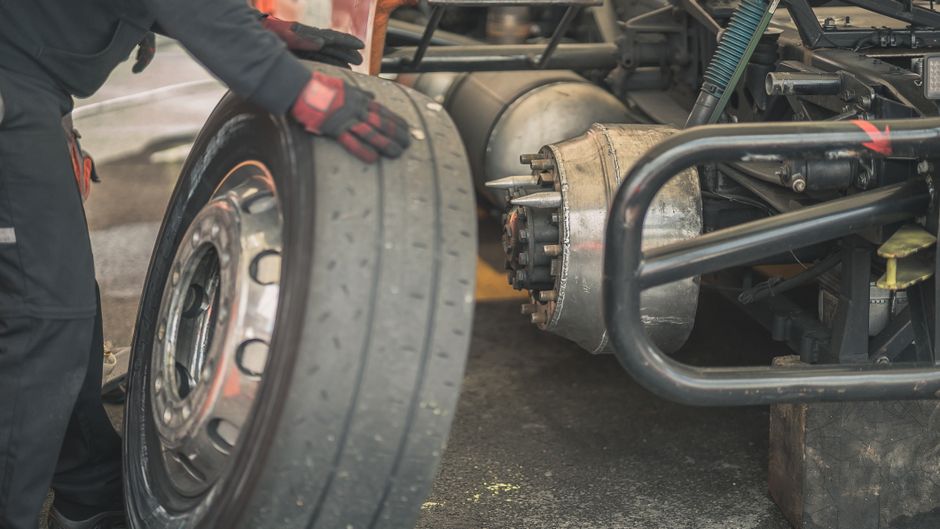
For fleet maintenance, a sturdy vehicle lift is non-negotiable. Look for two-post or four-post lifts with a minimum capacity of 10,000 pounds to accommodate light trucks and vans. Hydraulic lifts with automatic locking systems enhance safety and efficiency.
Investing in portable column lifts can also be beneficial for outdoor or space-constrained facilities. These lifts allow technicians to work on multiple vehicles simultaneously, speeding up routine inspections and repairs.
2. Professional Diagnostic Scanners
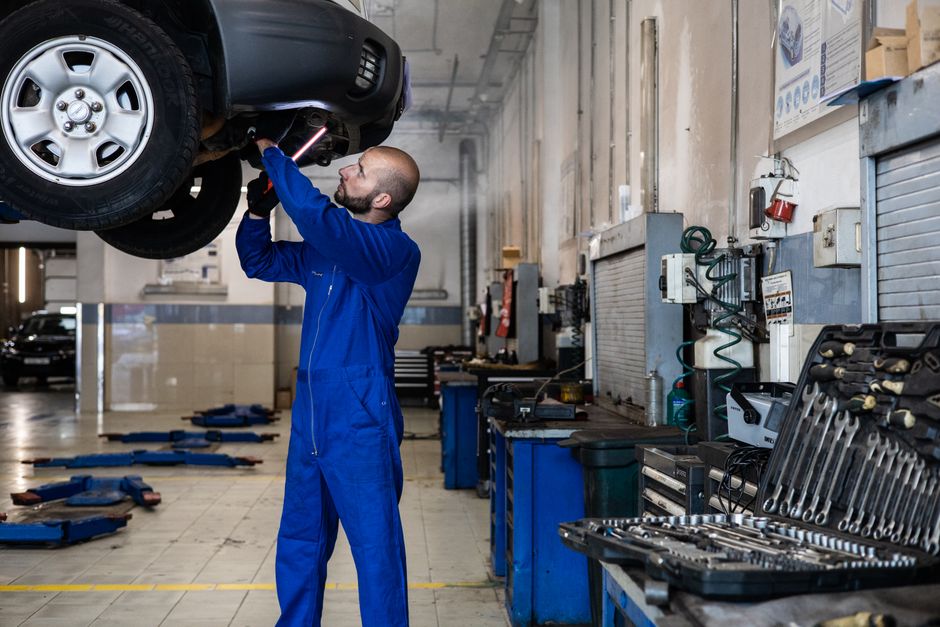
Modern fleet vehicles are equipped with complex electronic systems. A high-end diagnostic scanner that supports multiple protocols (OBD-II, CAN, J1939) is essential. Look for models that offer real-time data logging, ABS, and transmission diagnostics.
Wireless diagnostic tools with smartphone integration allow technicians to quickly identify issues and generate reports. This reduces diagnostic time and helps in proactive maintenance planning for your fleet.
3. High-Flow Oil Drain Systems
Efficient oil changes are critical for fleet maintenance. A high-flow oil drain system with a capacity of 15-20 gallons can handle multiple vehicles per day. Pneumatic or electric pumps speed up the process and minimize spills.
Consider a system with a heated oil drain for cold climates, ensuring faster flow. Also, look for models with a built-in filter crusher to manage waste filters responsibly.
4. Tire Service Equipment
Fleet vehicles experience heavy tire wear. Invest in a heavy-duty tire changer and wheel balancer capable of handling up to 24-inch wheels. Automatic bead breakers and assist arms reduce physical strain on technicians.
For tire inflation, a digital tire inflator with a preset pressure gauge ensures accurate inflation. A portable nitrogen generator can also extend tire life and improve fuel efficiency for your fleet.
5. Battery Testing and Charging Systems
Battery failures are a common cause of fleet downtime. A conductive battery tester that provides CCA (Cold Cranking Amps) ratings and state-of-health analysis is crucial. Look for a unit that tests both 6V and 12V batteries.
A multi-bank smart charger can maintain multiple vehicle batteries simultaneously. Features like desulfation and temperature compensation prolong battery life and reduce replacement costs.
6. Air Compressors with High CFM Output
Pneumatic tools are the backbone of any maintenance shop. A rotary screw air compressor with a 15-25 HP motor and a rating of 50-80 CFM at 150 PSI can power multiple tools like impact wrenches, spray guns, and tire inflators.
Consider a compressor with a built-in dryer and filtration system to prevent moisture damage. Variable speed drives can also reduce energy consumption during low-demand periods.
7. Fluid Management Systems
Managing coolants, transmission fluids, and brake fluids is easier with a dedicated fluid management system. Look for a system with a fluid extractor, dispenser, and recycling unit. This minimizes waste and ensures correct fluid types are used.
Automated fluid management systems can track fluid usage and alert you when levels are low. This helps in maintaining accurate inventory and reducing the risk of cross-contamination.