
Introduction
In the B2B car maintenance equipment industry, understanding the distinction between 'car maintenance equipment' and 'automotive tools' is crucial for making informed purchasing decisions. While the terms are often used interchangeably, they refer to different categories of products with distinct purposes, features, and applications. This article provides a comprehensive comparison to help you choose the right solutions for your business.
Defining Car Maintenance Equipment
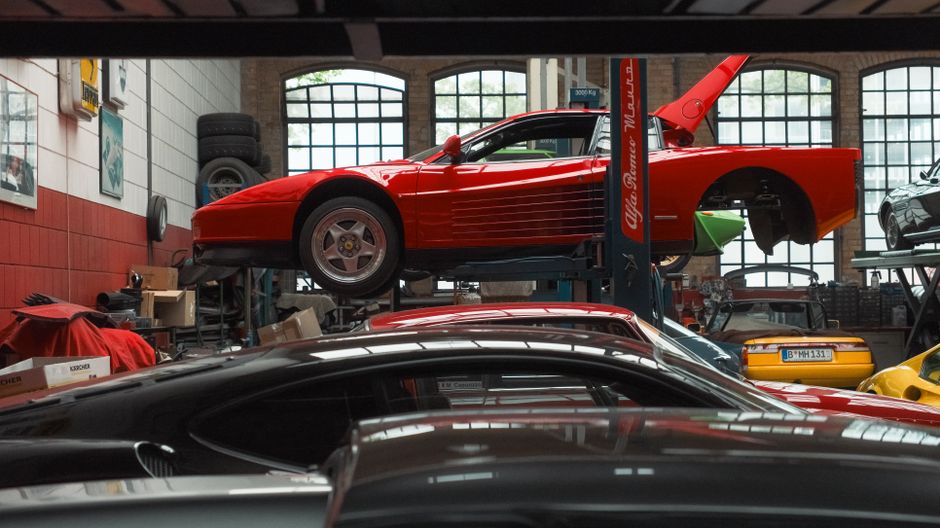
Car maintenance equipment encompasses large, stationary or semi-portable machines designed for professional vehicle servicing. These include hydraulic lifts, tire changers, wheel balancers, diagnostic scanners, air compressors, and fluid exchange systems. They are typically used in auto repair shops, dealerships, and fleet maintenance facilities.
Defining Automotive Tools
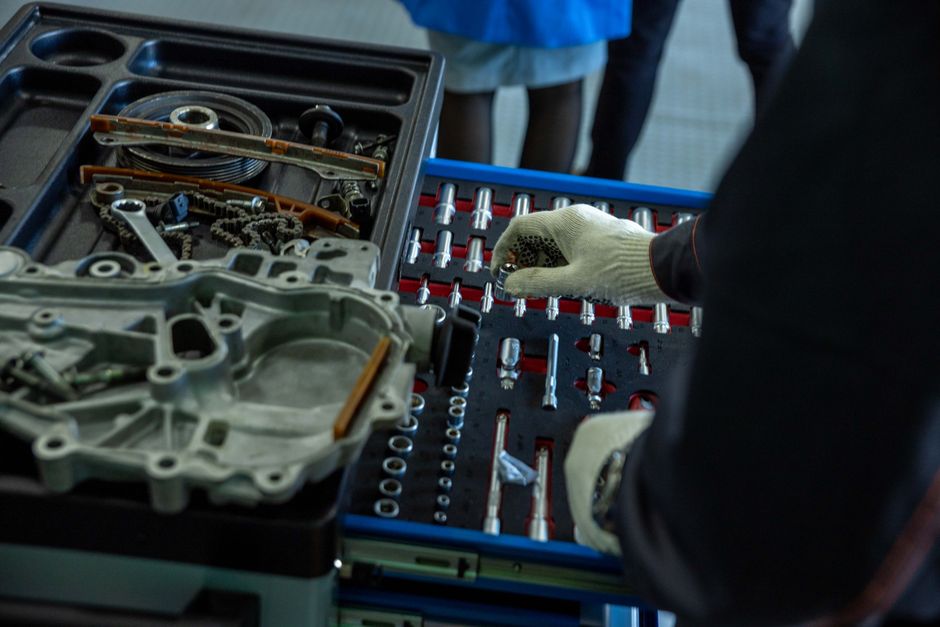
Automotive tools are hand-held or portable devices used for specific tasks such as tightening bolts, cutting, measuring, or testing. Examples include wrenches, screwdrivers, pliers, multimeters, and specialized tools like brake caliper tools or timing lights. They are essential for both professional mechanics and DIY enthusiasts.
Key Differences at a Glance
| Aspect | Car Maintenance Equipment | Automotive Tools |
|---|---|---|
| Size | Large, often floor-mounted | Small, hand-held |
| Power Source | Electric, hydraulic, pneumatic | Manual, battery, or corded electric |
| Primary Use | Heavy-duty servicing (lifting, balancing, diagnostics) | Precision tasks (fastening, cutting, testing) |
| Cost | High (thousands to tens of thousands) | Low to moderate (a few dollars to hundreds) |
| Lifespan | 10-20 years with proper maintenance | 1-5 years depending on quality |
| Training Required | Specialized training and certification | Basic mechanical knowledge |
| Examples | 2-post lift, tire changer, diagnostic scanner | Ratchet set, torque wrench, OBD2 reader |
Detailed Comparison
Purpose and Application
Car maintenance equipment is designed for high-volume, repetitive tasks that require precision and safety. For instance, a hydraulic lift allows technicians to access the underside of a vehicle quickly. In contrast, automotive tools are task-specific and often used for repairs, adjustments, or diagnostics. A torque wrench ensures bolts are tightened to exact specifications.
Investment and ROI
Equipment represents a significant capital investment. A quality wheel balancer can cost $5,000–$15,000 but pays for itself through increased service efficiency. Tools, while cheaper individually, require ongoing replacement and accumulation. For a B2B buyer, prioritizing equipment that enhances workflow is key.
Maintenance and Durability
Equipment requires regular calibration, lubrication, and safety inspections. Tools, especially hand tools, need cleaning and occasional replacement. In a shop environment, investing in durable equipment reduces downtime, while tools may need frequent replacement due to wear.
Pros and Cons
| Category | Pros | Cons |
|---|---|---|
| Car Maintenance Equipment | High efficiency, safety features, long lifespan | High initial cost, requires training, space-consuming |
| Automotive Tools | Portable, affordable, versatile | Limited to specific tasks, shorter lifespan, requires manual effort |
How to Choose
For a B2B operation, start with essential equipment: a lift, tire changer, and diagnostic scanner. Complement with quality tools from reputable brands. Consider your service offerings: if you specialize in brake repairs, invest in a brake lathe; if you do general maintenance, focus on a comprehensive tool set.
Recommendation
For businesses aiming to maximize productivity and service quality, prioritize car maintenance equipment that automates repetitive tasks. Allocate a portion of your budget for high-quality automotive tools for precision work. A balanced approach ensures you can handle a wide range of services efficiently. For example, pair a 2-post lift (equipment) with a set of impact sockets (tools) to speed up tire rotations.
Conclusion
Understanding the differences between car maintenance equipment and automotive tools helps you allocate resources wisely. Equipment boosts throughput and safety, while tools provide flexibility and accuracy. By investing in both appropriately, your B2B business can deliver superior service and achieve a competitive edge.