
Introduction: The Global Demand for Car Maintenance Equipment
The automotive industry is a cornerstone of modern economies, and with billions of vehicles on the road, the need for reliable car maintenance equipment has never been greater. For B2B exporters, this presents a lucrative opportunity—especially as workshops and dealerships worldwide seek high-quality, cost-effective tools from international suppliers. Starting a car maintenance equipment export business requires strategic planning, market knowledge, and a commitment to quality. This guide provides a step-by-step roadmap to help you launch and grow a successful export venture in this competitive field.
Step 1: Understand the Product Landscape
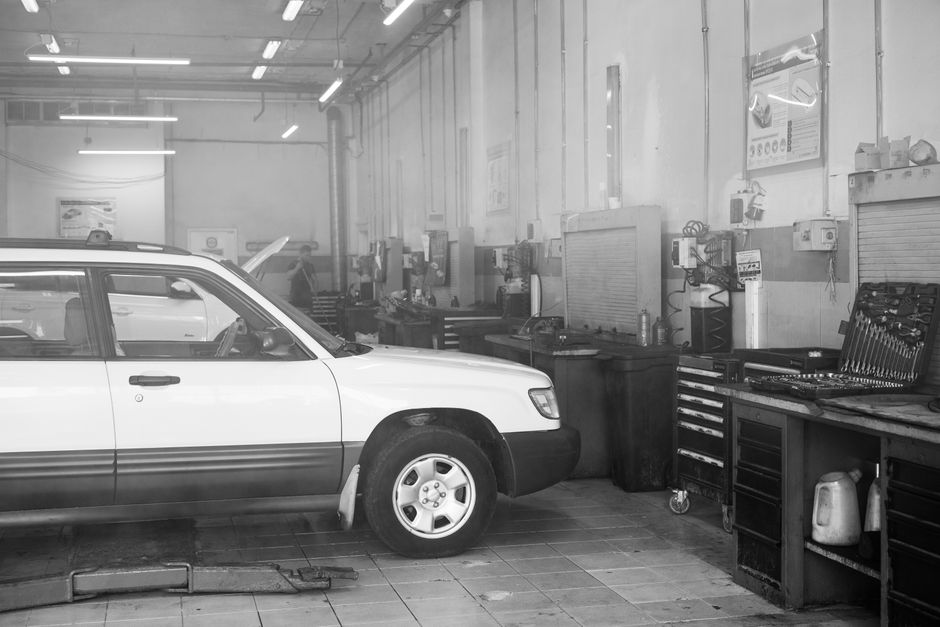
Car maintenance equipment encompasses a wide range of products. To succeed, you must understand what you're selling and its applications. Key categories include:
- Lifting Equipment: Hydraulic jacks, two-post lifts, scissor lifts, and alignment lifts.
- Diagnostic Tools: OBD2 scanners, multimeters, battery testers, and wheel alignment systems.
- Body Repair Tools: Dent pullers, spray guns, welding machines, and paint booths.
- General Workshop Tools: Impact wrenches, air compressors, tire changers, and brake lathes.
- Cleaning and Detailing Equipment: Pressure washers, steam cleaners, and vacuum cleaners.
Focus on a niche that aligns with your expertise and target market. For example, if you have experience with hydraulic systems, specializing in lifting equipment might be a smart move.
Step 2: Conduct Market Research and Identify Target Countries
Not all markets are created equal. Consider factors like:
- Import Regulations: Some countries have strict safety and certification requirements (e.g., CE marking for Europe, UL for North America).
- Economic Development: Emerging economies often have a growing number of repair shops seeking affordable equipment.
- Vehicle Population: Countries with high vehicle density (e.g., USA, China, Germany) offer larger potential markets.
- Competition: Analyze local and international competitors to find gaps in pricing, quality, or service.
Tools like Trade Map, ITC, and local chamber of commerce databases can help you identify promising markets. Start with one or two countries to minimize risk.
Step 3: Source Reliable Suppliers and Products
Your reputation hinges on product quality. Here's how to find trustworthy suppliers:
- Attend Trade Shows: Events like Automechanika (Frankfurt), AAPEX (Las Vegas), and Canton Fair (Guangzhou) are excellent for meeting manufacturers.
- Use B2B Platforms: Alibaba, Global Sources, and Made-in-China offer directories of verified suppliers.
- Request Samples: Always test products before committing. Check for durability, safety, and compliance with international standards.
- Negotiate Terms: Discuss MOQ (minimum order quantity), payment terms (e.g., T/T, L/C), and lead times. Build long-term relationships for better pricing.
Consider manufacturing partnerships if you have capital. Some suppliers offer OEM (original equipment manufacturing) services, allowing you to brand products.
Step 4: Understand Export Documentation and Logistics
Exporting involves paperwork. Common documents include:
- Commercial Invoice: Describes the goods and their value.
- Packing List: Details weight, dimensions, and packaging.
- Bill of Lading (B/L): Contract between you and the carrier.
- Certificate of Origin: Proves where the product was made.
- Inspection Certificate: Required by some buyers for quality assurance.
Work with a freight forwarder to handle shipping. Choose between FOB (Free on Board), CIF (Cost, Insurance, Freight), or other Incoterms. For heavy equipment, sea freight is often most cost-effective; for smaller items, air freight may be faster.
Step 5: Price Your Products Competitively
Pricing must cover costs and generate profit while remaining attractive. Consider:
- Cost of Goods: Purchase price plus shipping, insurance, and import duties.
- Overhead: Marketing, salaries, warehousing, and compliance costs.
- Target Margin: Typically 15-30% for B2B exports.
- Market Rates: Research competitor pricing on platforms like Amazon Business or industry catalogs.
Offer volume discounts to encourage larger orders. Use a pricing calculator to ensure profitability.
Step 6: Build Your Online Presence and Marketing Strategy
In today's digital world, a strong online presence is essential. Create a professional website with detailed product pages, specs, and certifications. Implement SEO with keywords like "car maintenance equipment exporter" and "automotive tools wholesale."
Other marketing tactics:
- LinkedIn: Connect with auto shop owners and distributors.
- Trade B2B Marketplaces: List on Alibaba, TradeIndia, or EC21.
- Email Campaigns: Send newsletters with new products and offers.
- Content Marketing: Write guides (like this one) and case studies to demonstrate expertise.
Attend international trade shows and join industry associations to network.
Step 7: Ensure Compliance with International Standards
Safety and quality standards vary by region. Common certifications include:
| Region | Key Standards |
|---|---|
| European Union | CE marking, ISO 9001 |
| North America | UL, ANSI, ASME |
| Middle East | GSO, SASO |
| Southeast Asia | SNI (Indonesia), TIS (Thailand) |
Work with testing labs like TÜV or SGS to certify your products. Non-compliance can lead to shipment rejections or legal penalties.
Step 8: Manage Customer Relationships and After-Sales Support
B2B buyers expect reliable support. Provide:
- Technical Documentation: Manuals, installation guides, and troubleshooting tips.
- Warranty: Offer at least 1-2 years to build trust.
- Spare Parts: Stock commonly needed parts for fast replacement.
- Communication: Respond to inquiries within 24 hours. Use CRM software to track interactions.
Happy customers lead to repeat orders and referrals.
Conclusion: Start Small, Scale Smart
Launching a car maintenance equipment export business is challenging but rewarding. Begin with a focused product line and one target market. Learn from each shipment, refine your processes, and gradually expand. With persistence and attention to quality, you can build a thriving international trade operation. Ready to get started? Contact us today for a consultation or browse our catalog of premium car maintenance tools.