
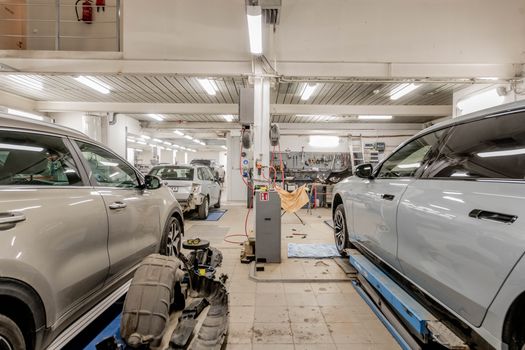
As the global automotive industry accelerates its shift toward electrification, connectivity, and sustainability, the car maintenance equipment market is undergoing a profound transformation. For B2B buyers—workshop owners, fleet managers, and distributors—staying ahead of these trends is not just an option but a necessity. This comprehensive guide explores the key trends shaping the car maintenance equipment market in 2025, offering practical insights to help you make informed purchasing decisions and future-proof your business.
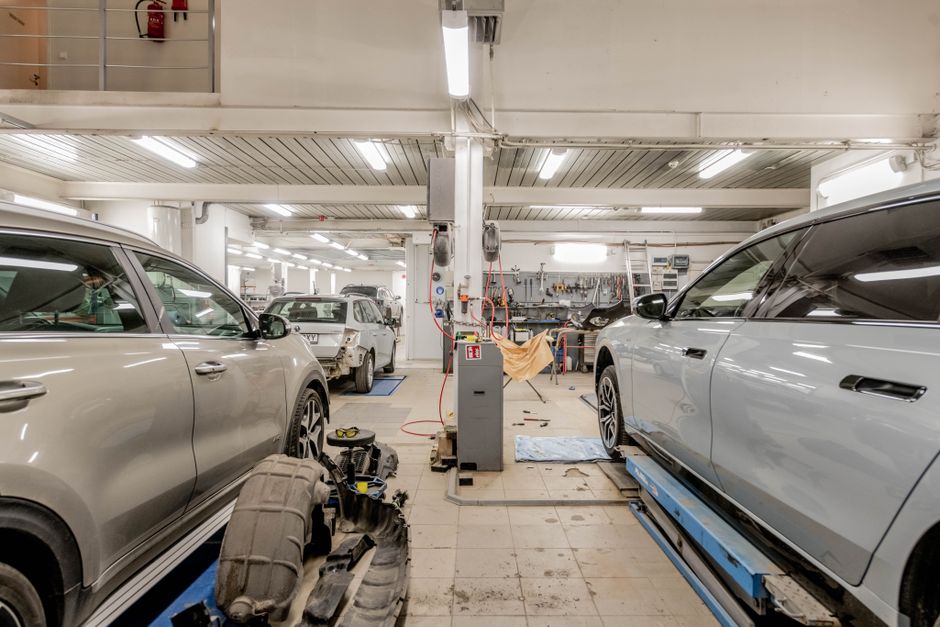
1. Electrification and the Rise of EV-Specific Maintenance Tools
The rapid adoption of electric vehicles (EVs) is arguably the most significant driver of change in the maintenance equipment landscape. By 2025, EVs are projected to account for over 20% of global new car sales, creating an urgent need for specialized tools and equipment designed for high-voltage systems, battery diagnostics, and thermal management.
Key Equipment Trends for EVs
- Battery diagnostic scanners: Advanced diagnostic tools that can read and interpret battery management system (BMS) data, assess state of health (SoH), and identify cell imbalances.
- High-voltage safety kits: Insulated gloves, voltage testers, and lockout/tagout devices to ensure technician safety when working on 400V-800V systems.
- Thermal imaging cameras: Used to detect overheating in battery packs and electrical connections, preventing thermal runaway incidents.
- EV-specific lifts and jacks: Lifts with insulated pads and adjustable arms to accommodate the unique underbody designs and heavier weight of EVs.
Practical Tip for B2B Buyers
When sourcing EV maintenance equipment, prioritize compliance with international safety standards such as IEC 60900 for insulated tools and UL certifications. Invest in modular diagnostic platforms that can be updated via software to support new EV models as they enter the market.
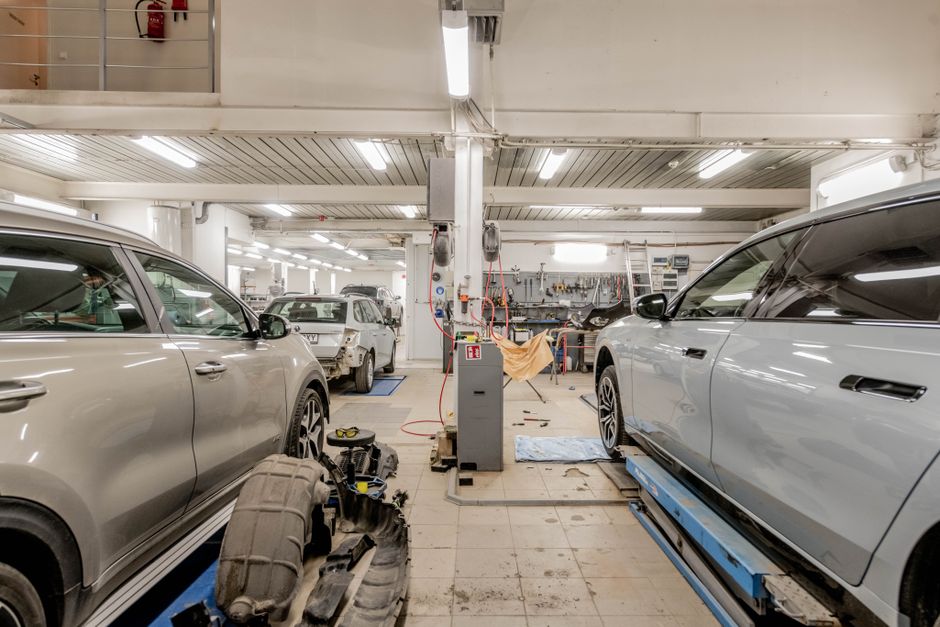
2. Smart Diagnostic Systems and AI Integration
Artificial intelligence (AI) and machine learning are revolutionizing vehicle diagnostics. In 2025, we expect to see a new generation of diagnostic tools that can predict failures before they occur, guide technicians through complex repairs, and integrate with cloud-based fleet management systems.
Features of Next-Gen Diagnostic Tools
- Predictive analytics: Tools that analyze historical data and real-time sensor inputs to forecast component wear and suggest proactive maintenance.
- Augmented reality (AR) assistance: Heads-up displays or tablet-based AR overlays that show step-by-step repair instructions and highlight components.
- Cloud connectivity: Diagnostic data uploaded to the cloud for remote analysis, enabling collaboration between on-site technicians and off-site experts.
Practical Tip for B2B Buyers
Look for diagnostic equipment that offers over-the-air (OTA) firmware updates and a user-friendly interface. Partner with suppliers that provide comprehensive training and technical support to help your team leverage AI capabilities effectively.
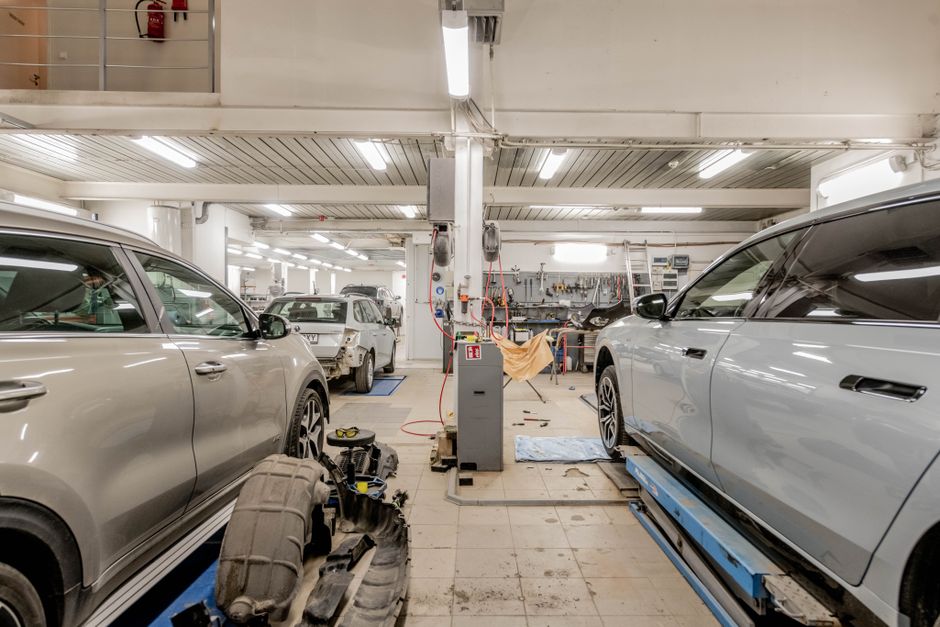
3. Sustainability and Eco-Friendly Equipment
Environmental regulations and customer expectations are pushing workshops to adopt greener practices. In 2025, eco-friendly car maintenance equipment will be a major differentiator for B2B buyers.
Sustainable Equipment Categories
- Energy-efficient compressors: Variable-speed drive (VSD) air compressors that reduce energy consumption by up to 35% compared to fixed-speed models.
- Water-based parts washers: Closed-loop systems that use biodegradable detergents and recycle water, minimizing hazardous waste.
- Recycled oil filters and fluid containers: Equipment designed to facilitate the proper collection and recycling of used oil, coolant, and other fluids.
Practical Tip for B2B Buyers
Check for energy star ratings or equivalent certifications. Request lifecycle cost analyses from suppliers to understand the long-term savings from reduced energy and waste disposal costs.
4. Advanced Tire Service Solutions
Tire technology is evolving rapidly, with run-flat tires, self-sealing compounds, and tire pressure monitoring systems (TPMS) becoming standard. This demands more sophisticated tire service equipment.
Key Tire Equipment Trends
- Automatic tire changers: Machines with assisted arms and bead-pressing systems that handle low-profile and run-flat tires without damaging sidewalls.
- 3D wheel alignment systems: High-precision alignment tools using 3D cameras and sensors to measure camber, caster, and toe angles with sub-millimeter accuracy.
- TPMS diagnostic tools: Handheld devices that can read, program, and clone TPMS sensors, compatible with multiple vehicle makes.
Practical Tip for B2B Buyers
Choose tire changers and balancers with soft-touch clamps and adapters for alloy wheels. Ensure alignment systems offer regular software updates to cover new vehicle models.
5. Connectivity and IoT-Enabled Workshop Equipment
The Internet of Things (IoT) is transforming workshops into smart, connected environments. Equipment that can communicate with central management systems enables better workflow optimization and inventory control.
IoT-Enabled Equipment Examples
- Smart lifts: Lifts that record usage hours, send maintenance alerts, and can be remotely monitored for safety compliance.
- Connected fluid dispensers: Oil, coolant, and AdBlue dispensers that track fluid levels and automatically reorder when stocks are low.
- Digital inspection cameras: Borescopes and video scopes that capture images and videos, which can be shared with customers via email or text for transparent inspections.
Practical Tip for B2B Buyers
When investing in IoT equipment, ensure compatibility with your existing workshop management software (e.g., Shop Management Systems). Look for open APIs that allow data integration across multiple vendors.
6. Ergonomic and Space-Saving Designs
Workshop space is at a premium, and technician comfort directly impacts productivity. Equipment manufacturers are responding with more compact, ergonomic designs.
Space-Saving Equipment Trends
- Foldable and mobile workstations: Tool carts and benches that can be collapsed and moved easily.
- Overhead reel systems: Retractable reels for air hoses, electric cables, and exhaust extraction, keeping floors clear.
- Adjustable-height lifts: Scissor lifts and two-post lifts with adjustable runways to accommodate different vehicle sizes while minimizing footprint.
Practical Tip for B2B Buyers
Conduct a workspace audit before purchasing. Consider multi-functional equipment, such as a combined tire changer and balancer, to maximize floor space efficiency.
7. Aftermarket and Remanufactured Equipment
Cost-conscious B2B buyers are increasingly turning to remanufactured and aftermarket equipment as a viable alternative to new OEM machines. This trend is expected to grow in 2025.
Benefits of Remanufactured Equipment
- Cost savings: Typically 30-50% less than new equipment.
- Warranty coverage: Many remanufacturers offer warranties comparable to new units.
- Environmental impact: Reduces waste and resource consumption.
Practical Tip for B2B Buyers
When buying remanufactured, verify the supplier's certification (e.g., ISO 9001) and request detailed documentation on the refurbishment process. Ensure that software and firmware are updated to the latest version.
Conclusion: Preparing Your Business for 2025
The car maintenance equipment market in 2025 will be defined by electrification, digitalization, and sustainability. B2B buyers who proactively adapt to these trends will not only improve operational efficiency but also gain a competitive edge. When sourcing equipment, prioritize quality, compatibility, and long-term support from reputable suppliers. By investing in the right tools today, you can future-proof your workshop and meet the evolving needs of modern vehicles.
For more insights on the latest car maintenance equipment, contact our team of experts. We are committed to helping you find the best solutions for your business.