
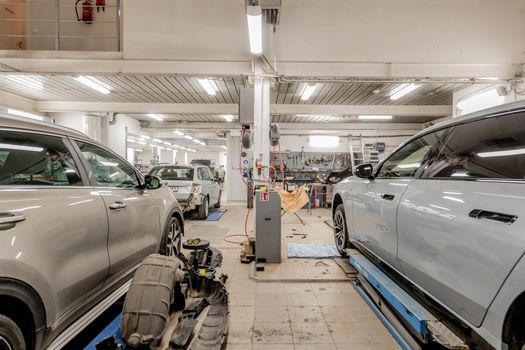
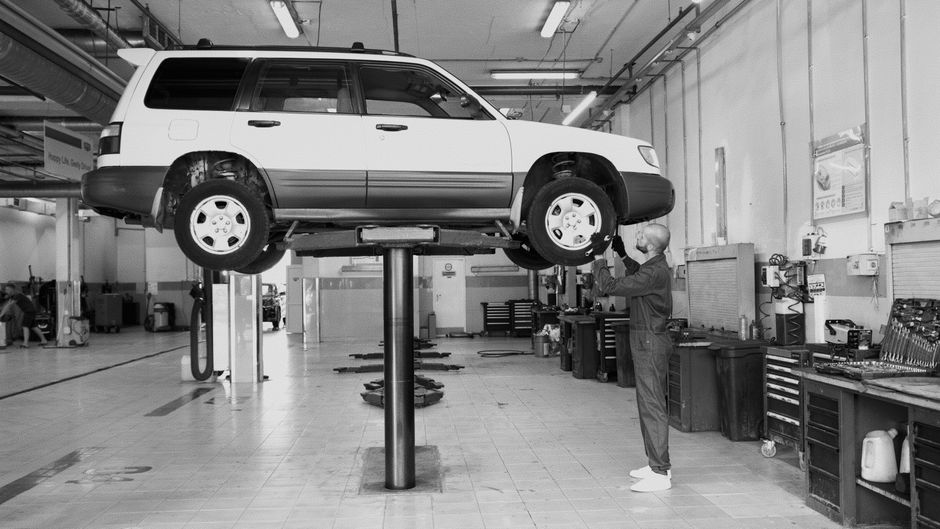
1. Hydraulic Car Lift – The Backbone of Any Auto Shop
A reliable hydraulic car lift is non-negotiable for any auto repair shop. It allows technicians to safely access the underside of vehicles for oil changes, brake repairs, exhaust work, and transmission services. Without a lift, many routine tasks become physically demanding and inefficient.
When selecting a lift, consider factors like lifting capacity, clearance height, and floor space. Two-post lifts are popular for general repairs, while four-post lifts are better for alignment and storage. Always choose models with safety locks and overload protection to ensure worker safety. Investing in a high-quality lift from a trusted B2B supplier can reduce downtime and improve shop productivity.
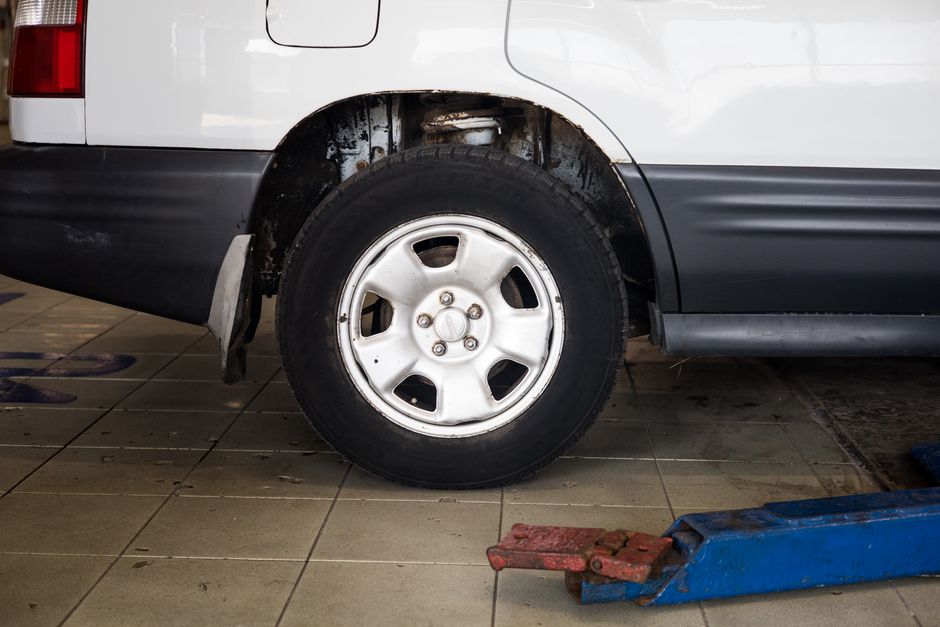
2. Wheel Alignment Machine – Precision for Tire Wear and Handling
Wheel alignment is critical for vehicle safety and tire longevity. A modern alignment machine uses 3D cameras or laser sensors to measure camber, caster, and toe angles with high accuracy. This equipment helps shops diagnose steering issues, uneven tire wear, and suspension problems.
For B2B buyers, look for alignment machines that support a wide range of vehicle models, including trucks and SUVs. Many units come with built-in diagnostic software and cloud-based reporting. Regular calibration is essential to maintain accuracy. By offering alignment services, shops can attract more customers and increase revenue per visit.
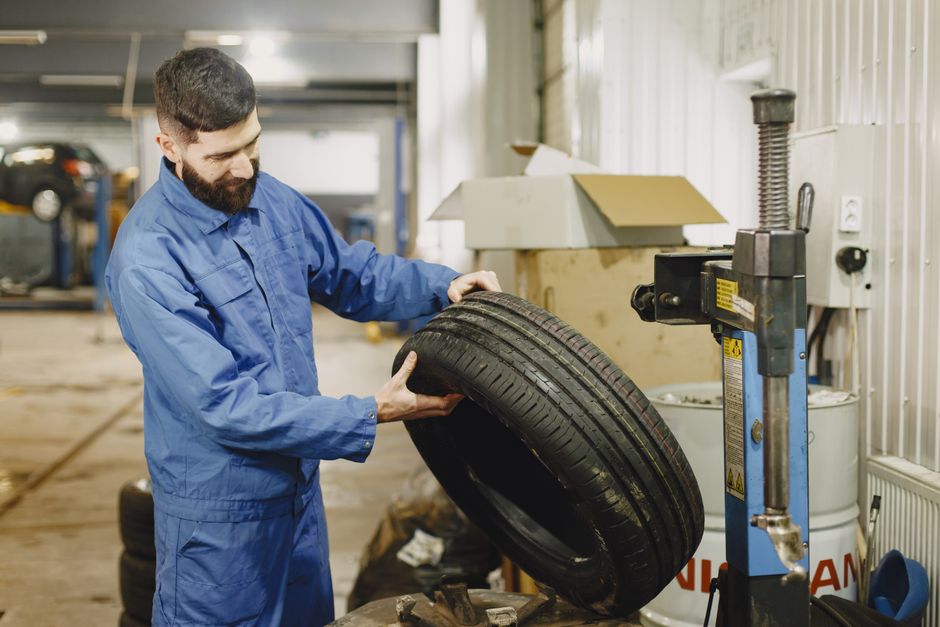
3. Tire Changer – Speed and Safety for Tire Mounting
A tire changer is essential for any shop that handles tire replacements. Modern tire changers feature pneumatic clamps, adjustable arms, and bead breakers that make mounting and demounting tires quick and effortless. Some models include a built-in inflation system with pressure monitoring.
When choosing a tire changer, consider the rim diameter range and the types of tires you’ll handle (e.g., run-flat, low-profile). Look for features like anti-scratch pads to protect alloy rims. For high-volume shops, a fully automatic tire changer can significantly reduce labor time and physical strain on technicians.
4. Wheel Balancer – Eliminate Vibration for a Smooth Ride
After mounting a tire, balancing is crucial to prevent vibrations and uneven wear. A wheel balancer measures weight distribution and indicates where to attach correction weights. Digital balancers provide precise readings and can store data for future reference.
Advanced balancers offer features like split-weight correction, static balancing, and dynamic balancing. Some models include a built-in printer for labeling wheels. For B2B operations, consider a balancer with a large weight capacity and easy calibration. Proper balancing improves customer satisfaction and reduces comebacks.
5. Diagnostic Scanner – Modern Vehicles Need Electronic Insight
Today’s cars are packed with electronics, making a diagnostic scanner a must-have. These tools read fault codes from the engine, transmission, ABS, airbags, and other systems. Advanced scanners offer live data streaming, bi-directional control, and programming capabilities.
When selecting a scanner, ensure it supports the vehicle brands you service most. Many B2B suppliers offer subscription-based updates for new models. A good scanner can help you quickly identify issues, saving time and improving first-time fix rates. Consider investing in a tablet-based scanner with wireless connectivity for mobility.
6. Air Compressor – Power Your Pneumatic Tools
An air compressor is the heart of many shop tools, from impact wrenches and spray guns to tire inflators and lifts. The right compressor size depends on the volume of work and the tools used. A 60–80 gallon tank with a 5–7 HP motor is typical for medium-sized shops.
Look for oil-lubricated compressors for durability and quieter operation. Features like automatic drain valves, pressure regulators, and moisture filters extend tool life. Proper ventilation and regular maintenance (e.g., oil changes, belt checks) are essential. A reliable compressor ensures your shop runs smoothly without interruptions.
7. Brake Lathe – Precision Machining for Brake Rotors
Brake service is a common job, and a brake lathe allows you to resurface rotors and drums instead of replacing them. This saves customers money and reduces waste. Modern lathes are computer-controlled for consistent cuts and can handle a variety of rotor sizes.
When buying a brake lathe, consider bench-mounted vs. floor models. Some units combine rotor and drum turning in one machine. Look for features like automatic feed, digital readouts, and chip collection. Proper training is needed to achieve optimal surface finish. Offering brake machining can set your shop apart from competitors.
8. Oil Drain and Fluid Evacuation System – Clean and Efficient Fluid Changes
Oil changes are a staple of auto repair, but handling used oil can be messy. A fluid evacuation system uses a vacuum to extract oil, coolant, and other fluids from engines, transmissions, and differentials. This minimizes spills and speeds up the process.
Look for systems with large-capacity tanks (e.g., 20–30 gallons) and easy-drain valves. Some models come with wheels for mobility. For B2B, consider units that can handle multiple fluid types and have built-in measuring gauges. Proper disposal of waste oil is also important – many suppliers offer recycling services.
9. Battery Tester and Charger – Keep Electrical Systems Healthy
Battery and electrical system testing is increasingly important with start-stop technology and advanced electronics. A modern battery tester can assess state of charge, cranking amps, and internal resistance in seconds. Some chargers also have desulfation modes to extend battery life.
For B2B, choose a tester that supports lead-acid, AGM, and lithium batteries. Many units also test alternator output and starter draw. A good charger with multiple stages (bulk, absorption, float) ensures safe and efficient charging. Offering battery testing as a free check can build customer trust and lead to sales.
10. Workbench and Tool Storage – Organize Your Shop for Efficiency
An organized shop is a productive shop. Heavy-duty workbenches with integrated drawers, pegboards, and vises provide a sturdy surface for repairs. Tool chests and rolling cabinets keep wrenches, sockets, and specialty tools accessible.
When outfitting your shop, consider modular storage systems that can be expanded. Look for benches with a weight capacity of at least 1,000 lbs and a steel top. For B2B, many suppliers offer custom configurations. Good organization reduces time wasted searching for tools and improves safety by keeping clutter off the floor.