
Introduction
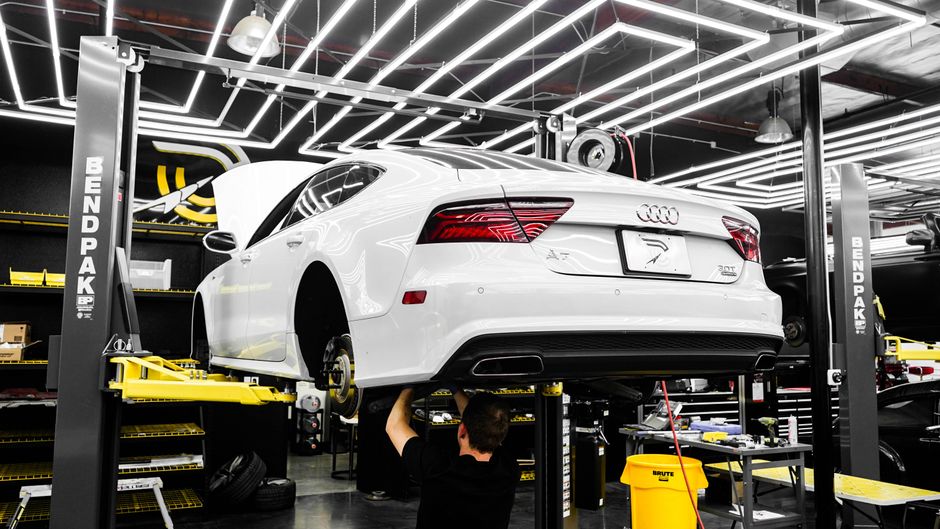
When outfitting your auto repair shop or garage, choosing the right equipment is crucial for efficiency, safety, and profitability. Among the most debated decisions is whether to invest in comprehensive car maintenance equipment or focus on lifts and jacks. Both categories serve different purposes, but which one truly offers the best return on investment for a B2B buyer? This article compares car maintenance equipment versus lifts and jacks across key factors like functionality, cost, versatility, and long-term value.
What is Car Maintenance Equipment?
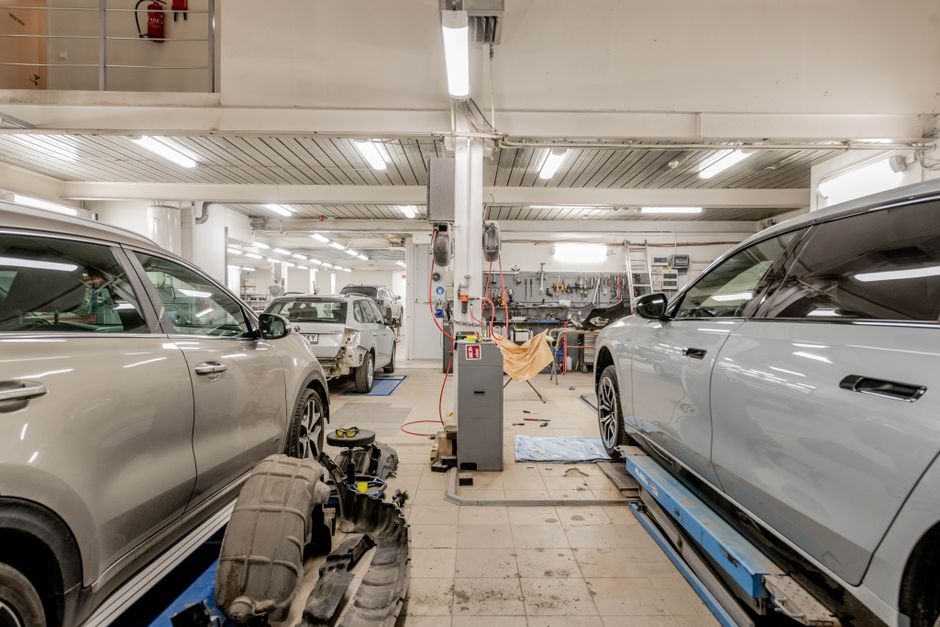
Car maintenance equipment encompasses a broad range of tools and machines used for diagnosing, repairing, and maintaining vehicles. This includes engine diagnostic scanners, tire changers, wheel balancers, brake lathes, fluid exchange machines, battery testers, and more. These tools are essential for precision work and ensuring vehicles are safe and reliable.
What Are Lifts and Jacks?
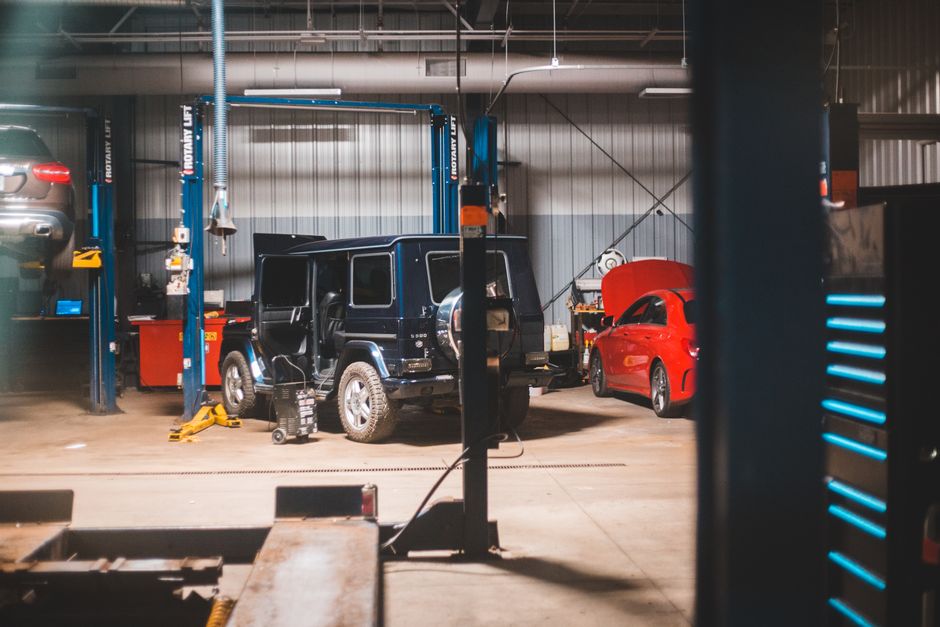
Lifts and jacks are primarily used to raise vehicles off the ground for undercarriage access. This category includes two-post lifts, four-post lifts, scissor lifts, portable jacks, and jack stands. They are fundamental for tasks like oil changes, brake repairs, exhaust work, and suspension services.
Key Comparison Factors
| Factor | Car Maintenance Equipment | Lifts and Jacks |
|---|---|---|
| Primary Function | Diagnostic and repair tasks (engine, tires, brakes) | Lifting vehicles for undercarriage access |
| Cost Range (Per Unit) | $500 – $20,000+ | $1,000 – $30,000+ |
| Space Required | Moderate (workbenches, bays) | Significant (dedicated bays with height clearance) |
| Versatility | High (multiple vehicle types and systems) | Limited (only lifting) |
| Training Needed | Moderate to high (technical skills) | Low (basic operation) |
| Safety Considerations | Electrical hazards, chemical exposure | Crush hazards, stability issues |
| Return on Investment | High for specialized services | High for volume shops |
Detailed Analysis
Functionality and Use Cases
Car maintenance equipment is indispensable for shops that offer comprehensive services like tire mounting, wheel alignment, brake resurfacing, and engine diagnostics. For example, a tire changer and wheel balancer can pay for themselves within months if you service 10+ cars daily. On the other hand, lifts and jacks are the backbone of any service bay. Without them, basic tasks like oil changes or brake pad replacements become nearly impossible. A two-post lift allows quick access to the undercarriage, reducing labor time by up to 50% compared to using jacks.
Cost and Budget Considerations
Initial investment varies widely. A basic floor jack and jack stands cost under $500, while a high-end two-post lift can exceed $10,000. Car maintenance equipment also varies: a diagnostic scanner might cost $2,000, but a complete tire service setup (tire changer + balancer) can run $15,000+. For B2B buyers, the decision hinges on your service mix. If you focus on quick lube and tire changes, lifts and jacks may be prioritized. If you offer full mechanical repairs, diagnostic and specialized tools are essential.
Space and Installation
Lifts require significant floor space and overhead clearance (typically 12 feet). Installation often involves bolting to concrete and electrical work. Car maintenance equipment is generally more compact and can be placed on workbenches or mobile carts. However, some machines like tire changers need a dedicated area with compressed air lines. Evaluate your shop layout carefully.
Safety and Compliance
Both categories have safety risks. Lifts can cause serious injury if improperly used or maintained. Regular inspections and training are mandatory. Car maintenance equipment involves electrical safety, chemical handling, and moving parts. Compliance with OSHA and local regulations is non-negotiable. Ensure your staff is trained on each piece of equipment.
Versatility and Future-Proofing
Car maintenance equipment often supports multiple vehicle types (cars, SUVs, light trucks) with adapters. Diagnostic scanners can be updated via software to cover new models. Lifts are less versatile; a two-post lift may not accommodate very low sports cars or heavy trucks. As your business grows, you may need different lifts. Maintenance equipment tends to have longer usable life if properly maintained.
When to Choose Car Maintenance Equipment
- You offer specialized services like tire, brake, or AC repair.
- You want to reduce outsourcing and perform more work in-house.
- You have a moderate budget and limited floor space.
- You plan to expand service offerings over time.
When to Choose Lifts and Jacks
- You perform high-volume oil changes, brake jobs, or exhaust work.
- You need to maximize bay efficiency and technician productivity.
- You have a large shop with high ceilings and concrete floor.
- You are starting a basic service shop and need to handle common tasks.
Recommendation
For most B2B auto repair shops, the best strategy is a balanced approach. Start with at least one quality two-post lift and a set of jack stands to handle basic undercarriage work. Then, invest in car maintenance equipment based on your most profitable services. For example, a tire changer and wheel balancer are high-margin investments. If budget is tight, prioritize lifts first as they enable a wider range of services. As revenue grows, add diagnostic scanners, brake lathes, and fluid machines. Remember: equipment is a tool, not a solution. Proper training and maintenance maximize ROI.
Conclusion
Choosing between car maintenance equipment and lifts/jacks isn't an either-or decision. Both are critical for a successful shop. Evaluate your current service demand, budget, and space. For B2B buyers, long-term value comes from versatility and reliability. Invest in reputable brands, consider used equipment for cost savings, and always factor in installation and training costs. With the right mix, your shop will be efficient, safe, and profitable.