What customization options are available for car maintenance equipment?
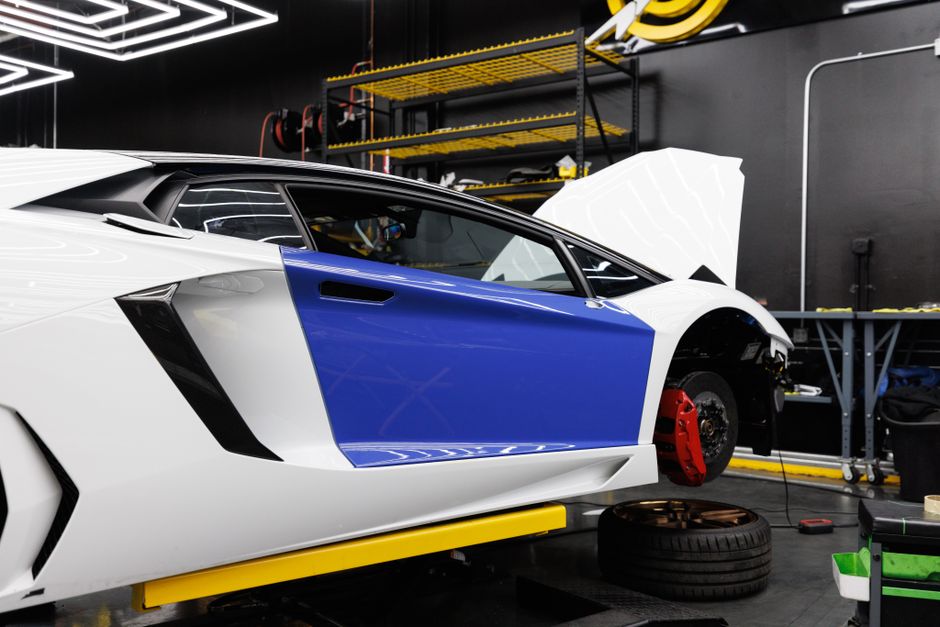
Car maintenance equipment can be customized in numerous ways to meet specific needs of B2B clients. Common options include modifications to size, power specifications, material quality, and color schemes. For example, hydraulic lifts can be tailored for different weight capacities or vehicle types, while diagnostic tools can be programmed with custom software interfaces. Many manufacturers also offer private labeling, allowing companies to brand equipment with their logos.
Customization extends to packaging and documentation as well. Clients can request multilingual manuals, specialized warranty terms, and unique packaging designs for retail or wholesale distribution. The goal is to align the equipment with the operational requirements and brand identity of the buyer.
Why should businesses consider customized car maintenance equipment?
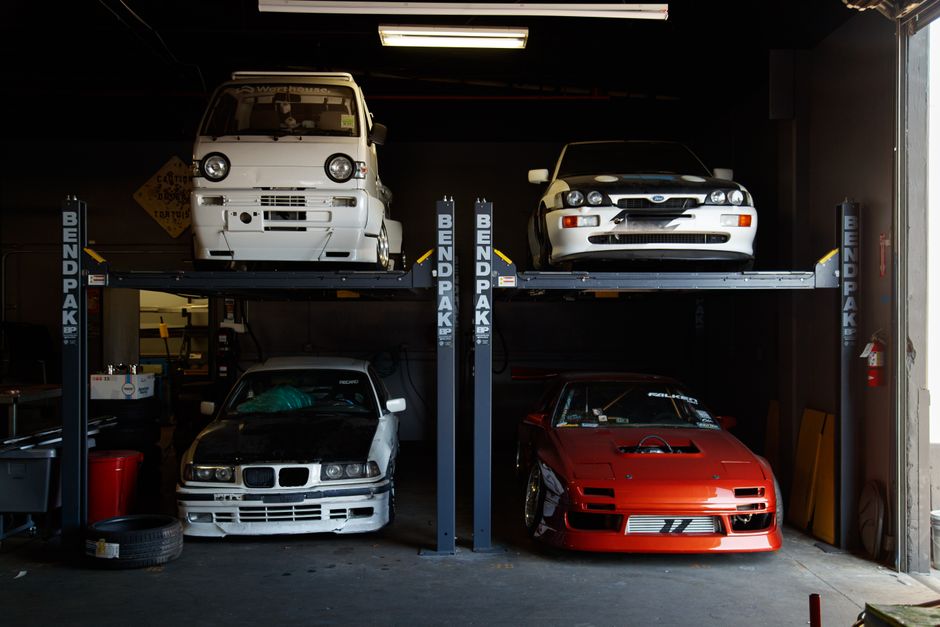
Customized equipment often provides a competitive edge by improving efficiency and safety. For instance, a repair shop that specializes in heavy-duty trucks may need lifts with higher load capacities than standard models. Tailored equipment reduces the risk of workplace accidents and increases productivity by matching exact workflow needs.
Additionally, customized equipment can enhance brand perception. When customers see branded, professional-grade tools, it builds trust and loyalty. It also allows businesses to differentiate themselves in a crowded market, offering unique features that competitors may not have.
How does the customization process work?
The process typically begins with a consultation where the client outlines their requirements. Manufacturers then provide design proposals, including technical specifications and cost estimates. After approval, prototypes may be developed for testing before mass production. Throughout, there are opportunities for feedback and adjustments.
Lead times vary depending on complexity, but most custom orders take 4-8 weeks from design to delivery. Clear communication and detailed documentation are crucial to ensure the final product meets expectations. Some manufacturers also offer after-sales support for custom equipment.
What are the costs associated with customization?
Costs depend on the extent of modifications. Simple changes like color or branding may add 5-10% to the base price. More complex alterations, such as custom software or structural changes, can increase costs by 20-50% or more. However, bulk orders often reduce per-unit costs.
It's important for businesses to weigh the upfront investment against long-term benefits. Customized equipment can reduce downtime and maintenance costs, providing a strong return on investment. Manufacturers typically provide detailed quotes with breakdowns of all costs involved.
Can I customize equipment for specific vehicle types?
Yes, many manufacturers offer customization for specific vehicle types, including electric vehicles (EVs), heavy trucks, motorcycles, and luxury cars. For example, EV-specific equipment may include insulated tools for high-voltage systems or battery handling features. Motorcycle lifts may have adjustable wheel clamps and lower profiles.
Customizing for vehicle types ensures optimal fit and safety. It also allows workshops to service a wider range of vehicles without adapting standard tools, which can be inefficient and risky.
What about software customization for diagnostic tools?
Diagnostic tools often allow software customization, including adding proprietary diagnostic protocols, customizing user interfaces, and integrating with existing shop management systems. Some manufacturers offer API access for deeper integration, enabling data sharing and automation.
Software customization can streamline workflows, reduce technician errors, and provide valuable data analytics. It's especially beneficial for fleets or multi-location shops that need consistent processes across sites.
Are there minimum order quantities for custom equipment?
Minimum order quantities (MOQs) vary widely. For simple modifications like branding, MOQs may be as low as 10-50 units. For complex customizations, manufacturers might require higher MOQs, sometimes 100-500 units, to justify tooling and setup costs.
Some manufacturers offer low MOQs for standard products with minor customizations. It's best to discuss MOQs early in the negotiation process to align with your budget and inventory needs.
How do I ensure quality in custom equipment?
Quality assurance starts with choosing a reputable manufacturer with experience in custom work. Request certifications (e.g., CE, ISO) and ask for case studies or references. Insist on pre-production samples and third-party testing if possible.
Contracts should include clear specifications, acceptance criteria, and warranty terms. Regular communication during production and site visits can also help maintain quality. Many manufacturers offer quality guarantees for custom orders.
Can I get custom packaging and labeling?
Yes, custom packaging and labeling are common. Options include branded boxes, custom inserts, and labels with your company information, barcodes, and safety instructions. This enhances professionalism and can improve customer experience.
Packaging can also be designed for sustainability, using eco-friendly materials. Custom labeling may include multilingual content for international distribution. Ensure compliance with local regulations for labeling.
What are the typical lead times for custom orders?
Lead times depend on complexity and current production schedules. Simple customizations may take 2-4 weeks, while complex orders can take 8-12 weeks or more. Factors include design approval, material sourcing, production, and shipping.
To expedite, provide detailed specifications early, choose standard components when possible, and maintain open communication. Some manufacturers offer rush services for an additional fee.