
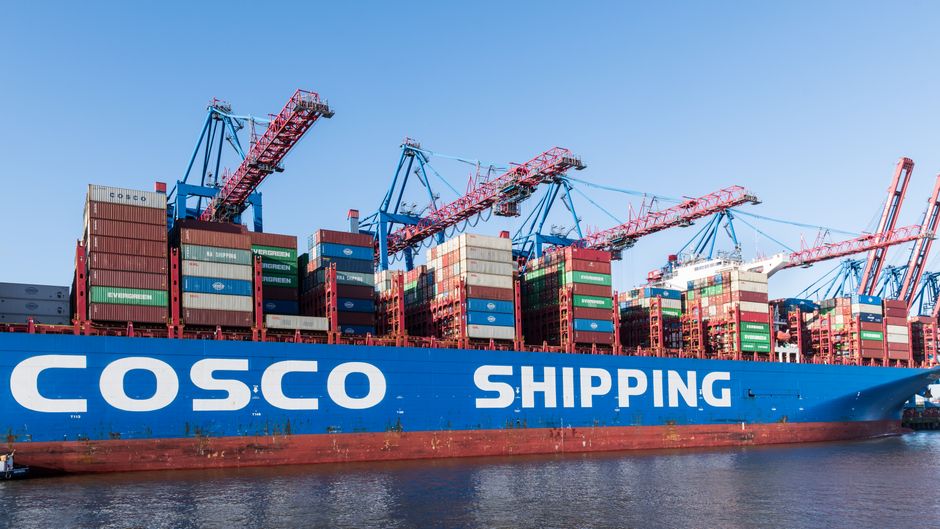
Introduction to Shipping Logistics for Car Maintenance Equipment
In the B2B foreign trade of car maintenance equipment, efficient shipping logistics are critical to ensuring timely delivery, cost control, and customer satisfaction. This guide provides a comprehensive overview of the logistics process, from packaging to final delivery, with practical tips to streamline your operations.

Understanding the Logistics Chain
The logistics chain for car maintenance equipment involves multiple stages: sourcing, warehousing, packaging, transportation, customs clearance, and last-mile delivery. Each stage requires careful planning to avoid delays and damage.
Key Players in the Chain
- Manufacturers/Suppliers: Produce the equipment and prepare it for shipment.
- Freight Forwarders: Coordinate transportation and documentation.
- Customs Brokers: Handle import/export regulations and duties.
- Carriers: Provide shipping services (sea, air, land).

Packaging and Labeling Best Practices
Proper packaging protects heavy and sensitive car maintenance equipment from damage during transit. Use durable materials such as plywood crates, foam inserts, and moisture-resistant wrapping. Label each package with clear handling instructions, weight, dimensions, and barcodes for tracking.
Packaging Checklist
- Use palletized crating for heavy items like lifts and tire changers.
- Secure moving parts with straps or braces.
- Include desiccants for moisture-sensitive electronics.
- Attach "Fragile" and "This Side Up" labels.
Choosing the Right Shipping Mode
Selecting the optimal shipping mode balances cost, speed, and reliability. Common modes for car maintenance equipment include:
| Mode | Best For | Transit Time | Cost |
|---|---|---|---|
| Sea Freight (FCL) | Large, heavy equipment | 20-40 days | Low |
| Sea Freight (LCL) | Smaller shipments | 25-45 days | Medium |
| Air Freight | Urgent or high-value items | 5-10 days | High |
| Rail Freight | Overland to Europe/Asia | 15-20 days | Medium |
Documentation and Compliance
Accurate documentation prevents customs delays and penalties. Essential documents include:
- Commercial Invoice
- Packing List
- Bill of Lading (B/L) or Air Waybill (AWB)
- Certificate of Origin
- Import/Export Licenses (if required)
Ensure HS codes are correctly classified for car maintenance equipment (e.g., 8425.49 for jacks, 9031.80 for alignment tools).
Insurance and Risk Management
Shipping insurance protects against loss, damage, or theft. Consider all-risk coverage for high-value equipment. Review the Incoterms (e.g., CIF, FOB) to clarify responsibility for insurance and risk during transit.
Customs Clearance Strategies
Work with experienced customs brokers familiar with automotive equipment regulations. Pre-clear shipments where possible, and maintain a database of required certifications (CE, UL, etc.) to expedite clearance.
Tracking and Visibility
Implement a tracking system (e.g., GPS, RFID) to monitor shipments in real time. Provide customers with tracking links and proactive updates. Use transportation management software (TMS) to optimize routes and consolidate shipments.
Cost Optimization Tips
- Negotiate volume discounts with carriers.
- Consolidate LCL shipments to minimize per-unit cost.
- Use port-to-door services to reduce handling fees.
- Plan shipments during off-peak seasons.
Handling Returns and Reverse Logistics
Establish a clear return policy for defective or damaged equipment. Create a reverse logistics process that includes inspection, refurbishment, or disposal. Use return merchandise authorization (RMA) numbers to track returns.
Conclusion
Mastering shipping logistics for car maintenance equipment requires attention to detail, strategic partnerships, and continuous improvement. By following the practices outlined in this guide, you can reduce costs, improve delivery times, and build trust with international clients.