
Solution
Essential Maintenance Tips for New Energy Forklifts
Discover essential maintenance tips for new energy forklifts: battery care, motor checks, fuel cell upkeep, and preventive schedules. Maximize uptime and safety.
Introduction
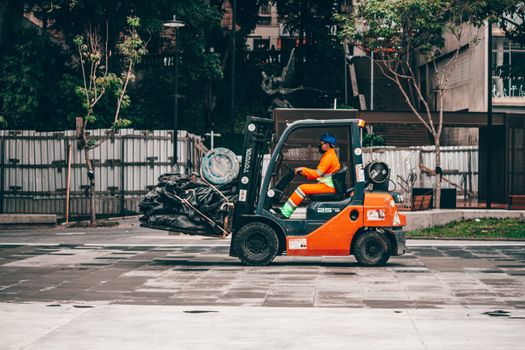
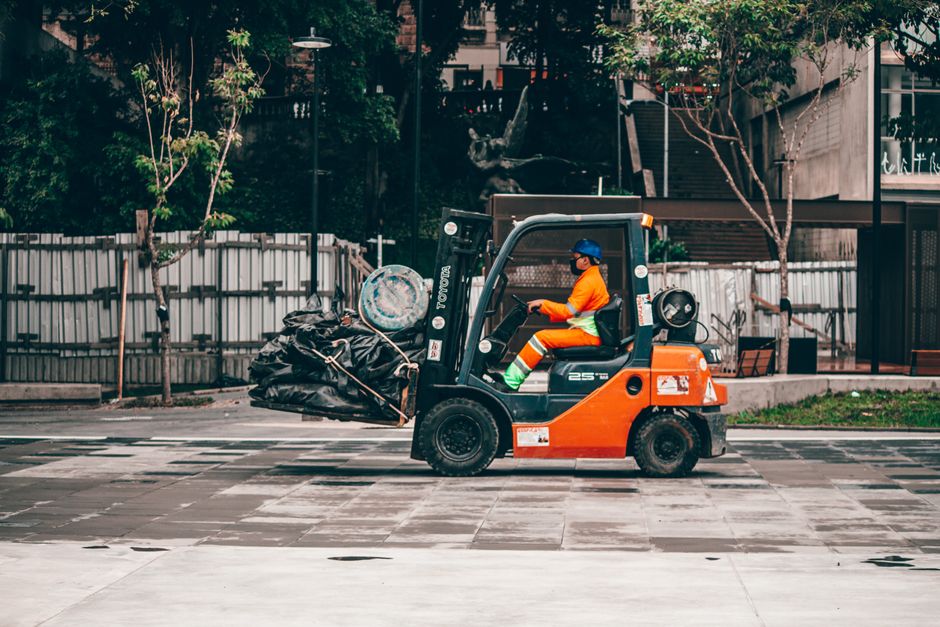
New energy forklifts, including electric, hydrogen fuel cell, and hybrid models, are revolutionizing material handling with lower emissions and operating costs. However, their advanced powertrains require specialized maintenance to ensure reliability, safety, and longevity. This guide provides essential tips for maintaining new energy forklifts in B2B environments, helping you maximize uptime and return on investment.
1. Battery Maintenance for Electric Forklifts
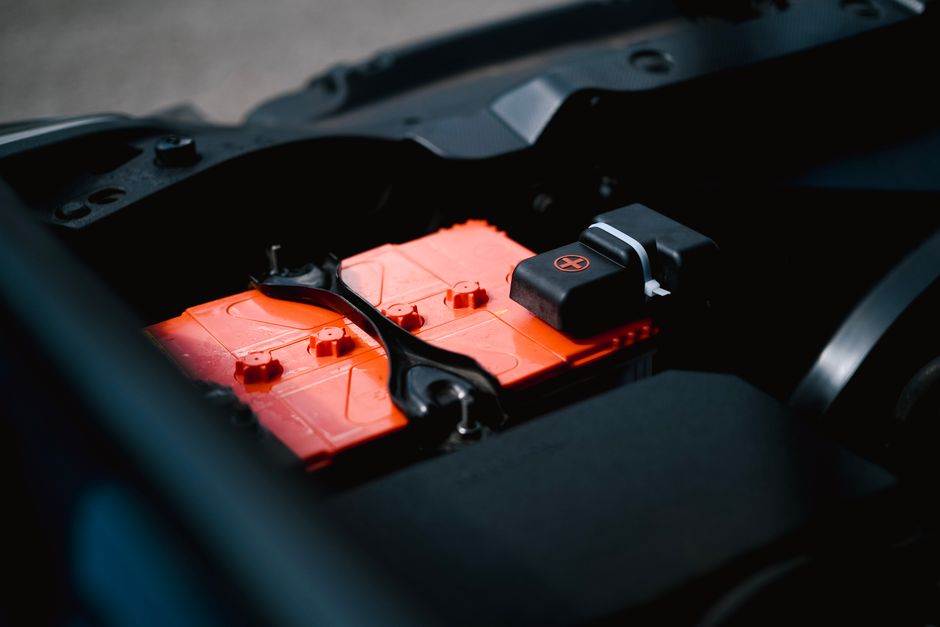
Lead-Acid Batteries
- Watering: Check water levels weekly after charging. Use distilled water only; never overfill.
- Cleaning: Keep terminals and tops clean. Neutralize acid spills with baking soda solution.
- Equalization: Perform equalization charges every 5–10 cycles per manufacturer guidelines.
Lithium-Ion Batteries
- No watering required – but monitor state of charge (SOC) daily.
- Temperature: Avoid charging below 0°C or above 45°C. Use thermal management systems.
- BMS Alerts: Respond immediately to battery management system warnings.
2. Electric Motor and Controller Care
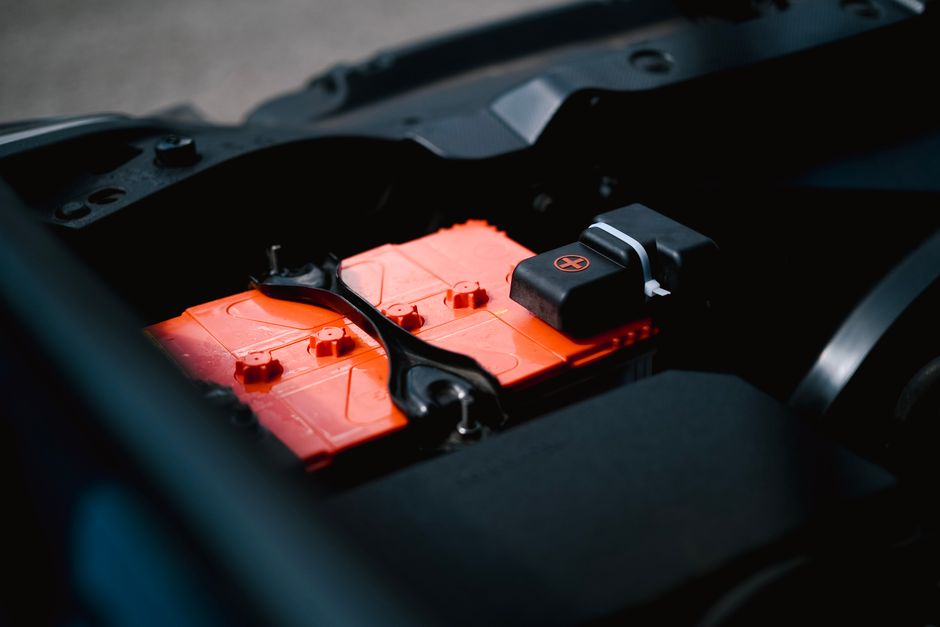
Electric motors are low-maintenance but not maintenance-free. Inspect for unusual noise, vibration, or heat. Keep controllers clean and dry; check for loose connections. Update firmware as recommended by the manufacturer.
3. Hydrogen Fuel Cell System Maintenance
Fuel cell forklifts require hydrogen purity monitoring and periodic stack checks. Replace air filters every 500 hours. Inspect hydrogen lines for leaks using a gas detector. Ensure proper ventilation in storage areas.
4. Thermal Management Systems
Batteries and fuel cells generate heat. Clean cooling fans and radiators monthly. Check coolant levels and condition. Overheating reduces component life and can cause safety incidents.
5. Hydraulic and Mechanical Components
New energy forklifts still use hydraulics for lifting. Check hydraulic fluid level and quality weekly. Inspect hoses for cracks or leaks. Lubricate mast chains and pivot points per the service schedule.
6. Tire and Brake Inspection
Electric forklifts have regenerative braking, but mechanical brakes still wear. Check brake pads and discs every 200 hours. Maintain tire pressure for cushion tires; inspect solid tires for chunking.
7. Software and Diagnostic Checks
Modern forklifts rely on software. Run diagnostic scans monthly. Update firmware to optimize performance and safety. Log fault codes and address them promptly.
8. Charging Infrastructure Maintenance
Chargers need regular inspection. Verify cable integrity, plug connections, and cooling fans. Calibrate charger output annually. Keep charging area clean and free of debris.
9. Safety and Regulatory Compliance
Follow OSHA and local codes for battery charging and hydrogen storage. Provide PPE for maintenance staff. Keep service logs for warranty and compliance audits.
10. Creating a Preventive Maintenance Schedule
| Component | Daily | Weekly | Monthly | Annually |
|---|---|---|---|---|
| Battery (Lead-Acid) | Check charge | Water level | Equalization | Capacity test |
| Lithium Battery | Check SOC | BMS alerts | Clean contacts | Replace if degraded |
| Fuel Cell | Visual leak check | Air filter | Stack voltage | Professional service |
| Motor/Controller | Listen for noise | Clean vents | Torque connections | Insulation test |
| Hydraulics | Check fluid level | Inspect hoses | Test pressure | Change filter |
| Brakes | Test operation | Visual wear | Adjust if needed | Replace components |
Conclusion
Proper maintenance of new energy forklifts extends equipment life, reduces downtime, and ensures safety. Partner with your manufacturer for training and genuine parts. Implement a documented preventive maintenance program and train operators on daily checks. By following these tips, your fleet will perform reliably for years.
No more
More operations
All solutions Other solutions

Quote this operation
Request a quote