
Solution
Lithium-Ion vs Lead-Acid: Which Forklift Battery Wins?
Compare lithium-ion vs lead-acid forklift batteries: performance, cost, lifespan. Discover which battery wins for your B2B operation. Read our expert analysis.

Introduction
In the material handling industry, the choice between lithium-ion and lead-acid batteries is a critical decision that impacts operational efficiency, total cost of ownership, and sustainability. As a manufacturer specializing in B2B foreign trade of new energy logistics forklifts, we have extensive experience with both technologies. This article provides a detailed comparison to help you make an informed choice.
Battery Basics: Lithium-Ion vs Lead-Acid
Lead-acid batteries have been the workhorse of the forklift industry for decades. They are reliable, relatively inexpensive upfront, and widely available. However, lithium-ion batteries are rapidly gaining ground due to their superior performance, longer lifespan, and lower maintenance requirements. Let's break down the key differences.
Chemistry and Construction
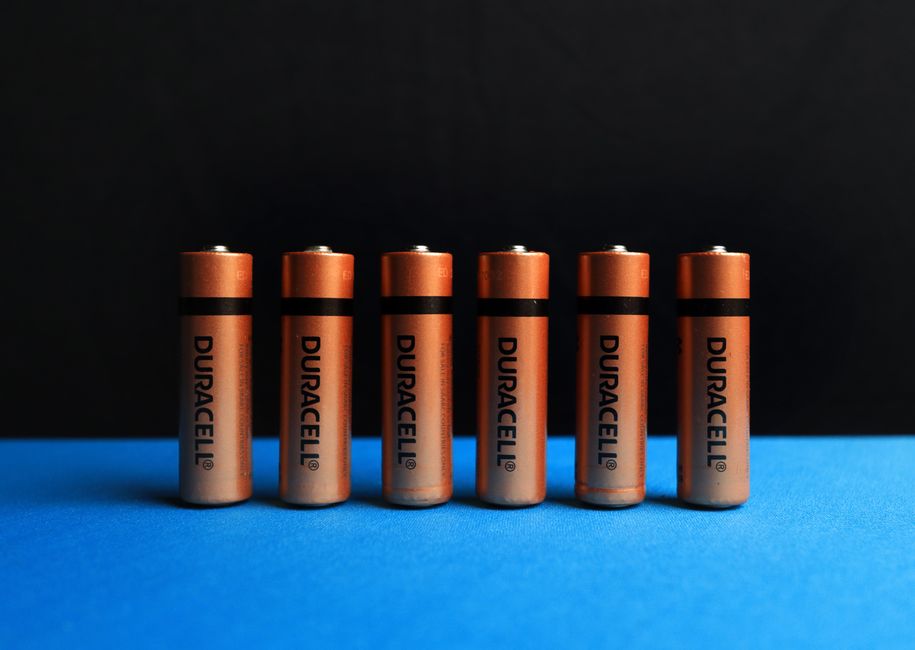
Lead-acid batteries use lead plates and sulfuric acid electrolyte. They require regular watering and equalization charges to prevent sulfation. Lithium-ion batteries use lithium compounds as the cathode and graphite as the anode. They are sealed, maintenance-free, and have a built-in Battery Management System (BMS) that monitors voltage, temperature, and state of charge.
Performance Comparison
| Feature | Lithium-Ion | Lead-Acid |
|---|---|---|
| Energy Density | High (150-200 Wh/kg) | Low (30-50 Wh/kg) |
| Charge Time | 1-2 hours (opportunity charging) | 8-10 hours (plus 8-hour cool-down) |
| Cycle Life | 2,000-5,000 cycles (80% DoD) | 1,000-1,500 cycles (50% DoD) |
| Lifespan | 5-10 years | 3-5 years |
| Maintenance | None (sealed) | Regular watering, cleaning, equalization |
| Weight | Lighter (less ballast needed) | Heavier (often used as counterweight) |
| Temperature Tolerance | Wide range (-20°C to 60°C) | Narrow (best at 20-25°C) |
Operational Considerations
Charging and Downtime
One of the biggest advantages of lithium-ion is opportunity charging. You can charge the battery during breaks or idle time without damaging the battery. This eliminates the need for battery swapping or multiple batteries per truck. Lead-acid batteries require a full charge followed by a cool-down period, often requiring a second battery for multi-shift operations.
Energy Efficiency
Lithium-ion batteries are up to 95% efficient, meaning less energy is wasted as heat. Lead-acid batteries are around 70-80% efficient. Over the lifespan of the battery, this can result in significant energy cost savings.
Safety
Both technologies are safe when used correctly. Lithium-ion batteries have built-in BMS to prevent overcharging, overheating, and short circuits. Lead-acid batteries produce hydrogen gas during charging and require proper ventilation. They also contain sulfuric acid, which is hazardous if spilled.
Cost Analysis
| Cost Factor | Lithium-Ion | Lead-Acid |
|---|---|---|
| Initial Purchase Price | 2-3x higher | Lower |
| Total Cost of Ownership (5-year) | Lower | Higher |
| Battery Replacement Cost | One battery lasts 5-10 years | Multiple replacements needed |
| Maintenance Cost | Negligible | Labor, water, and disposal fees |
| Energy Cost | Lower (efficiency) | Higher |
| Labor Savings | No watering, no swapping | Requires dedicated personnel |
While lithium-ion has a higher upfront cost, the total cost of ownership over 5 years is often lower due to longer lifespan, no maintenance, and higher efficiency. For multi-shift operations, the savings are even more pronounced.
Environmental Impact
Lithium-ion batteries are more environmentally friendly. They have a longer lifespan, reducing waste. They are also more energy-efficient, lowering carbon footprint. Lead-acid batteries are highly recyclable (over 95% of lead is recovered), but the recycling process is energy-intensive and can release pollutants.
Recommendation
For most B2B operations, especially multi-shift warehouses and distribution centers, lithium-ion is the clear winner. The ability to opportunity charge, zero maintenance, and long lifespan outweigh the higher upfront cost. However, for single-shift operations with low utilization and tight budgets, lead-acid may still be a viable option. We recommend conducting a total cost analysis based on your specific usage patterns.
Conclusion
Choosing the right battery for your forklift fleet is a strategic decision. Lithium-ion offers superior performance, lower operating costs, and environmental benefits. As a manufacturer of new energy logistics forklifts, we are committed to providing the best solutions for your business. Contact us to learn more about our lithium-ion powered forklifts.
More operations
All solutions Other solutions
Quote this operation
Request a quote