
Introduction
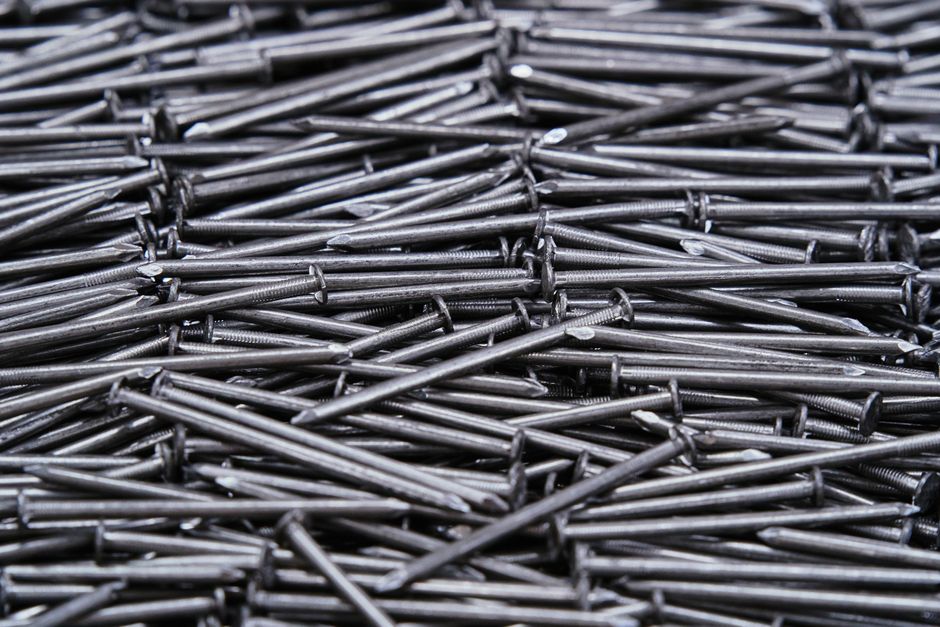
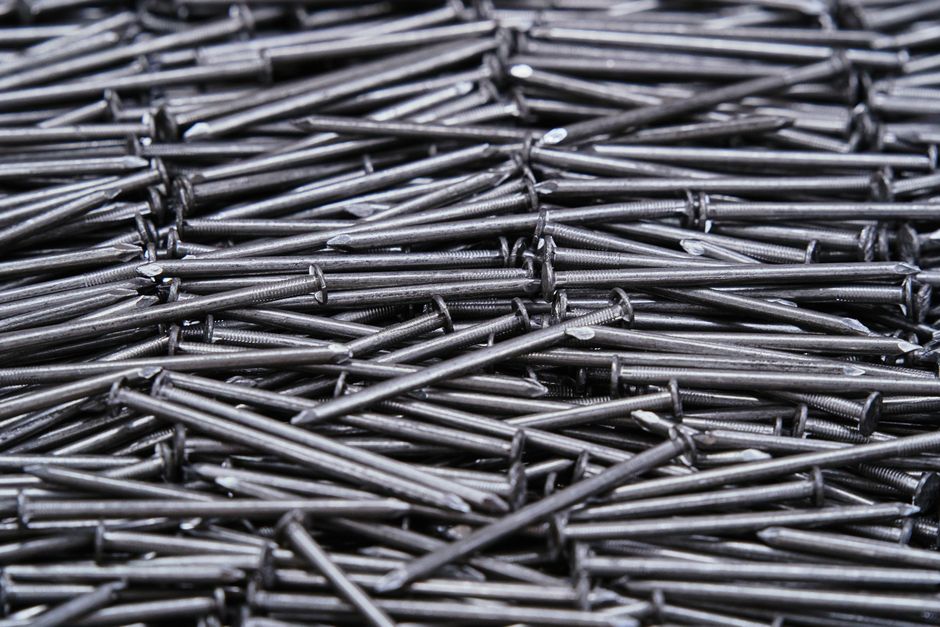
Nail making machines are the backbone of the fastener industry, enabling mass production of nails used in construction, woodworking, and packaging. For businesses looking to enter or expand in the nail manufacturing sector, understanding how these machines work is crucial. This guide provides a comprehensive overview of the nail making process, from raw wire to finished nails, including key components, operational steps, and practical tips for optimizing production.
How Does a Nail Making Machine Work?
A nail making machine transforms coiled wire into finished nails through a series of automated steps: feeding, straightening, cutting, heading, and sometimes threading or coating. The process is highly efficient, producing hundreds of nails per minute. Let's break down each stage.
1. Wire Feeding and Straightening
The process begins with a coil of wire (typically steel, stainless steel, or aluminum) mounted on a decoiler. The wire is fed into the machine through a set of rollers that straighten it, ensuring consistent quality. Proper tension control prevents tangling and ensures smooth feeding.
2. Cutting to Length
Once straightened, the wire passes through a cutting mechanism that shears it to the desired nail length. Precision is critical here; even minor variations can affect nail quality. Many modern machines use servo-driven cutters for accuracy.
3. Heading (Forming the Head)
The cut wire piece is transferred to a heading station where a die and punch form the nail head. The head shape can be flat, countersunk, or custom, depending on the die design. The heading process involves high pressure to deform the metal without cracking.
4. Pointing and Threading
After heading, the nail moves to a pointing station where a die grinds or presses the tip into a sharp point. For threaded nails, a thread rolling attachment adds helical grooves. This step enhances holding power in wood or drywall.
5. Finishing and Coating
Finally, nails may be heat-treated for hardness, then coated with materials like zinc, epoxy, or phosphate for corrosion resistance. Some machines integrate automatic coating systems for continuous production.
Key Components of a Nail Making Machine
| Component | Function |
|---|---|
| Decoiler | Holds and feeds wire coil |
| Straightener | Removes curvature from wire |
| Cutting Die | Shears wire to length |
| Heading Die & Punch | Forms nail head |
| Pointing Die | Grinds or presses nail tip |
| Thread Roller | Adds threads (optional) |
| Control Panel | Adjusts speed, length, and diagnostics |
Types of Nail Making Machines
There are several types based on nail size and production volume:
- Single-Station Machines: Suitable for small batches or specialty nails; lower output (50-150 nails/min).
- Multi-Station Machines: High-speed production (up to 900 nails/min) for common nails; common in large factories.
- Automatic Coil Nailers: Produce coiled nails for pneumatic tools; include collating mechanism.
- Threaded Nail Machines: Integrated thread rolling for drywall or screw nails.
Practical Tips for Optimal Operation
- Wire Quality: Use consistent diameter and tensile strength wire to avoid jams and defects.
- Lubrication: Apply appropriate lubricant to dies to reduce wear and improve surface finish.
- Die Maintenance: Regularly inspect and replace worn dies to maintain head shape and point sharpness.
- Speed Adjustment: Match machine speed to wire type and nail size; too fast can cause misalignment.
- Safety: Install guards and emergency stops; train operators on safe handling.
Common Problems and Troubleshooting
| Problem | Cause | Solution |
|---|---|---|
| Irregular head shape | Worn heading die or insufficient pressure | Replace die or adjust punch stroke |
| Wire jamming | Incorrect straightener setting or burrs | Realign straightener; deburr wire |
| Inconsistent length | Cutting die wear or feed slippage | Sharpen or replace die; check tension |
| Poor point sharpness | Dull pointing die or wrong angle | Regrind die; verify angle settings |
Conclusion
Understanding the inner workings of a nail making machine empowers manufacturers to optimize production, reduce downtime, and produce high-quality nails. Whether you're setting up a new line or upgrading existing equipment, focusing on wire handling, die maintenance, and process control will yield the best results. For B2B buyers, choosing a reliable machine supplier with robust after-sales support is key to long-term success.
Ready to invest in a nail making machine? Our experts can help you select the right model for your production needs. Contact us today for a consultation.