Understanding the Global Nail Making Machine Market
The nail making machine industry is a critical segment of the global manufacturing sector. As a B2B manufacturer or exporter, selecting the right machine is paramount to ensuring product quality, production efficiency, and customer satisfaction. This guide will walk you through the essential factors to consider when choosing a nail making machine for export, from technical specifications to after-sales support.
Key Factors to Consider When Choosing a Nail Making Machine
Production Capacity and Speed
One of the first considerations is the machine's output capacity, typically measured in pieces per minute (PPM) or tons per day. For export purposes, you need a machine that can meet high-volume demands without compromising quality. Look for machines with adjustable speed controls and robust motors that can handle continuous operation. Common capacities range from 200 to 800 PPM for standard nail sizes.
Nail Size and Type Versatility
Export markets require a variety of nail types: common nails, finishing nails, coil nails, and specialty nails. The best machine should allow quick changeovers between different nail sizes and head styles. Check the wire diameter range the machine can handle (e.g., 1.0mm to 6.0mm) and the maximum nail length (e.g., 25mm to 200mm).
Automation and Control Systems
Modern nail making machines come with PLC (Programmable Logic Controller) systems that automate feeding, cutting, heading, and collection. Look for features like touch-screen interfaces, fault diagnostics, and remote monitoring capabilities. Automation reduces labor costs and human error, which is crucial for maintaining consistent export quality.
Technical Specifications to Evaluate
| Specification | Importance | Recommended Range |
|---|---|---|
| Motor Power | Determines cutting and heading force | 5.5 kW to 15 kW |
| Wire Diameter Range | Versatility for different nail sizes | 1.0mm - 6.0mm |
| Max Nail Length | Ability to produce long nails | 25mm - 200mm |
| Production Speed | Output efficiency | 200 - 800 PPM |
| Machine Weight | Stability and durability | 1000 - 3000 kg |
Quality and Durability Considerations
Material and Build
High-quality machines are constructed from cast iron or heavy-duty steel frames to withstand continuous stress. Check the quality of the heading dies and cutting blades—they should be made from hardened tool steel for longevity. Additionally, ensure that all moving parts have proper lubrication systems to minimize wear.
Certifications and Standards
For export, your machinery should comply with international standards such as CE (European Conformity), ISO 9001, or UL (Underwriters Laboratories). These certifications not only ensure safety and quality but also facilitate customs clearance in target markets.
After-Sales Support and Spare Parts Availability
Reliable after-sales support is crucial, especially when exporting. Choose a manufacturer that offers comprehensive training, technical documentation, and a responsive customer service team. Verify the availability of spare parts—ideally, the supplier should have a local distributor or warehouse in your region. Look for warranty periods of at least 12-24 months.
Cost vs. Value Analysis
While initial cost is important, consider the total cost of ownership (TCO). A cheaper machine may have higher maintenance costs, lower efficiency, and shorter lifespan. Factor in energy consumption, production yield, and potential downtime. A machine with a higher upfront cost but lower operating expenses often provides better long-term value.
Practical Tips for Exporters
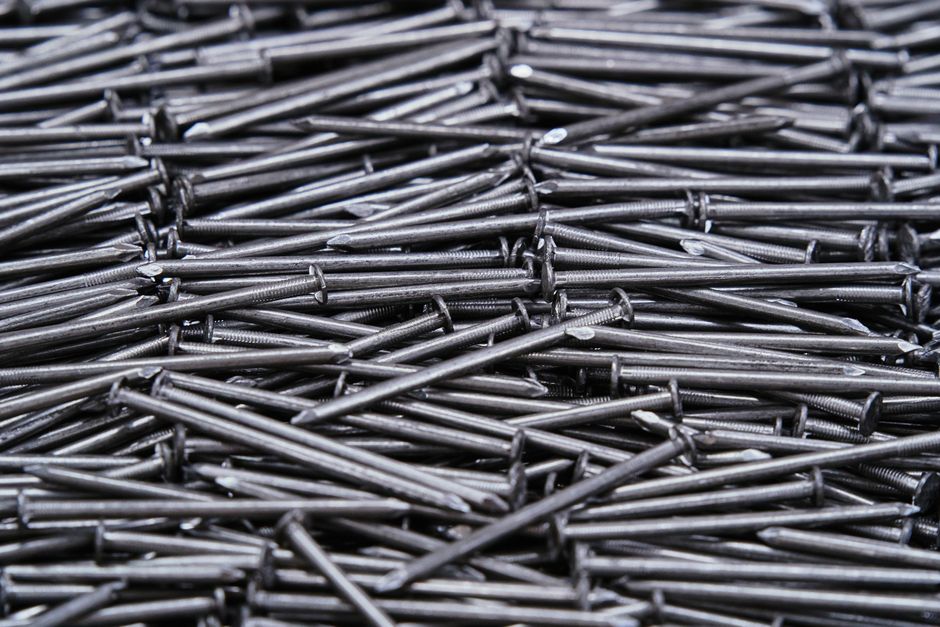
- Request sample production runs to evaluate nail quality (head shape, shank straightness, point sharpness).
- Check the machine's noise level—many countries have workplace noise regulations.
- Ensure the machine can handle the specific wire materials used in your target market (e.g., low-carbon steel, stainless steel, or galvanized wire).
- Consider the machine's footprint and power requirements to fit your production facility.
- Ask for references from other exporters using the same machine model.
Conclusion
Selecting the best nail making machine for export requires a careful balance of production capacity, technical specifications, build quality, and after-sales support. By focusing on these key factors and conducting thorough due diligence, you can invest in a machine that delivers consistent, high-quality nails and meets the demands of international markets. Remember, the right machine is not just a purchase—it's a long-term partnership for your business growth.