
Introduction
Maintaining your nail making machine is crucial for ensuring consistent production quality, minimizing downtime, and extending the lifespan of your equipment. For B2B manufacturers in the foreign trade sector, a well-maintained machine directly impacts profitability and customer satisfaction. This comprehensive guide provides an essential maintenance checklist that covers daily, weekly, monthly, and annual tasks, along with troubleshooting tips and best practices.
Daily Maintenance Tasks
Visual Inspection
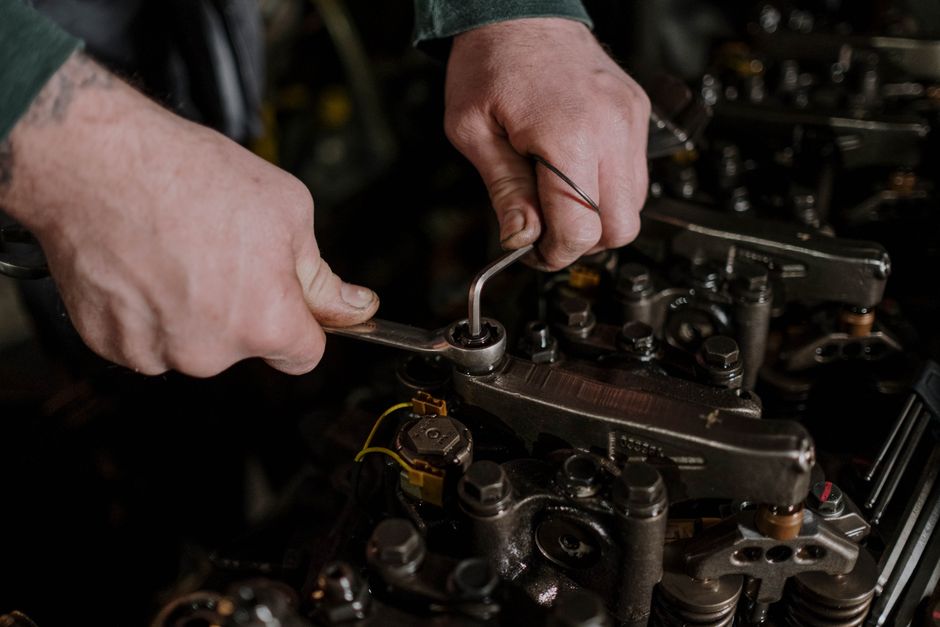
Before starting production, perform a quick visual check of the entire machine. Look for loose bolts, worn belts, or any unusual debris. Pay special attention to the nail forming dies and cutters, as these are high-wear components.
Lubrication Check
Ensure all lubrication points are adequately greased. Most nail machines require daily lubrication of moving parts such as cam followers, slide blocks, and bearings. Use the manufacturer-recommended grease and oil. Over-lubrication can cause contamination, so follow the precise amounts.
Wire Feed Alignment
Check that the wire is feeding straight into the forming section. Misalignment can cause crooked nails or jams. Adjust the wire straightener if necessary.
Clean the Machine
Remove any metal shavings, dust, or oil residue from the machine surface and around the cutting area. Use compressed air for hard-to-reach spots, but ensure electronics are protected.
Weekly Maintenance Tasks
Belt Tension and Condition
Inspect all drive belts for signs of wear, cracks, or fraying. Check belt tension using a tension gauge; loose belts can cause slipping and inconsistent nail length. Replace belts that show significant wear.
Electrical Connections
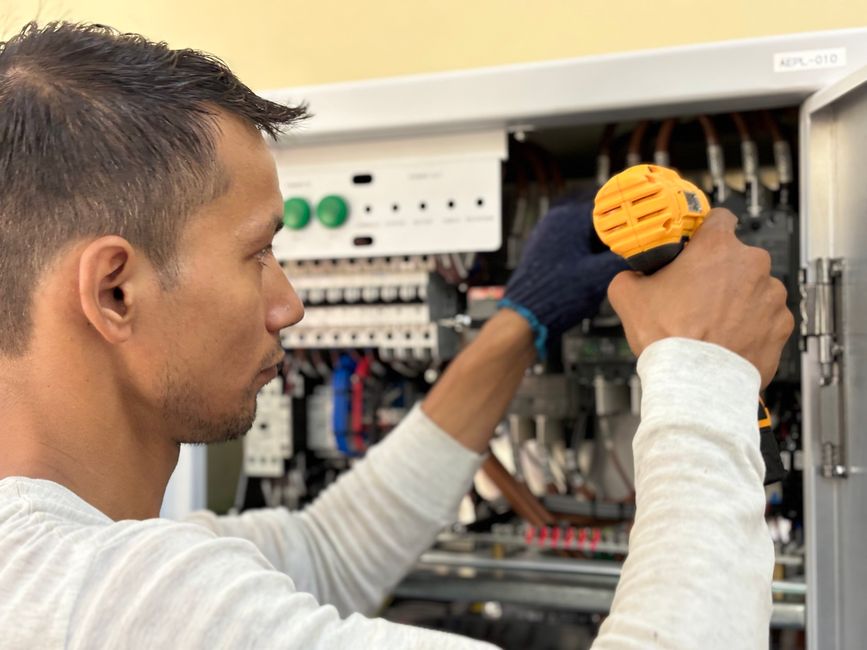
Examine all electrical cables and connectors for damage or loose connections. Tighten any loose terminals and replace damaged cables immediately to prevent short circuits or motor failures.
Die and Cutter Inspection
Remove and inspect the forming dies and cutters for wear. Look for chipped edges or excessive rounding. If nails show burrs or inconsistent head shape, it’s time to sharpen or replace these components.
Coolant System (if applicable)
For machines with coolant systems, check coolant levels and concentration. Clean the coolant filter and ensure no blockages in the hoses. Proper cooling extends tool life.
Monthly Maintenance Tasks
Deep Cleaning
Perform a thorough cleaning of the machine, including the gearbox, motor housing, and control panel. Use a vacuum with a HEPA filter to remove fine metal dust that can cause electrical issues.
Gearbox Oil Change
Check the gearbox oil level and quality. Most manufacturers recommend changing the oil every 500–1000 operating hours. Use the specified oil viscosity to avoid overheating and gear wear.
Bearing Inspection
Listen for unusual noises from bearings during operation. If you hear grinding or squealing, it may indicate bearing failure. Replace any worn bearings promptly.
Calibration Check
Verify that the machine is producing nails within the specified length and diameter tolerances. Use a micrometer to measure sample nails. If deviations are found, recalibrate the forming and cutting settings.
Annual Maintenance Tasks
Complete Overhaul
Schedule a full machine overhaul with a qualified technician. This includes disassembling major components, cleaning, inspecting for wear, and replacing seals, gaskets, and bearings as needed.
Electrical System Test
Test all safety features, emergency stops, and interlocks. Check motor insulation resistance with a megohmmeter. Replace any aging contactors or relays.
Frame and Foundation Check
Inspect the machine frame for cracks or deformation. Ensure the foundation bolts are tight and the machine is level. An uneven base can cause vibration and premature wear.
Update Documentation
Review and update maintenance logs, spare parts inventory, and operation manuals. Ensure all software/firmware is up to date if your machine has digital controls.
Troubleshooting Common Issues
| Issue | Possible Cause | Solution |
|---|---|---|
| Nails have burrs | Worn cutters | Sharpen or replace cutters |
| Inconsistent nail length | Wire feed slippage or belt tension | Adjust wire feeder or tighten belts |
| Machine vibrating excessively | Loose bolts or unbalanced flywheel | Tighten bolts; balance flywheel |
| Motor overheating | Overload or poor ventilation | Reduce production speed; clean vents |
Best Practices for Long-Term Reliability
- Train Operators: Ensure all operators are trained on proper machine use and basic maintenance tasks. A well-trained team can spot issues early.
- Keep Spare Parts: Maintain an inventory of critical wear parts like dies, cutters, belts, and bearings. This minimizes downtime during repairs.
- Use Quality Consumables: Always use manufacturer-recommended lubricants and coolants. Inferior products can damage components.
- Document Everything: Keep detailed logs of all maintenance activities, including dates, parts replaced, and observations. This data helps predict future needs.
- Schedule Professional Inspections: Even with a robust in-house program, have a certified technician inspect the machine annually to catch hidden issues.
Conclusion
Regular maintenance is the backbone of a successful nail manufacturing operation. By following this comprehensive checklist, you can maximize machine uptime, produce high-quality nails, and reduce total cost of ownership. Remember, a proactive maintenance approach is far more cost-effective than reactive repairs. Start implementing these tasks today and see the difference in your production efficiency.