Introduction
In the fastener manufacturing industry, choosing between a nail making machine and a screw making machine is a critical decision that impacts production efficiency, product quality, and overall business profitability. Both machines serve distinct purposes and cater to different market demands. This article provides a comprehensive comparison of nail making machines and screw making machines, highlighting their key differences, advantages, and ideal applications. By the end, you'll have a clear understanding of which machine aligns best with your manufacturing goals.
What is a Nail Making Machine?
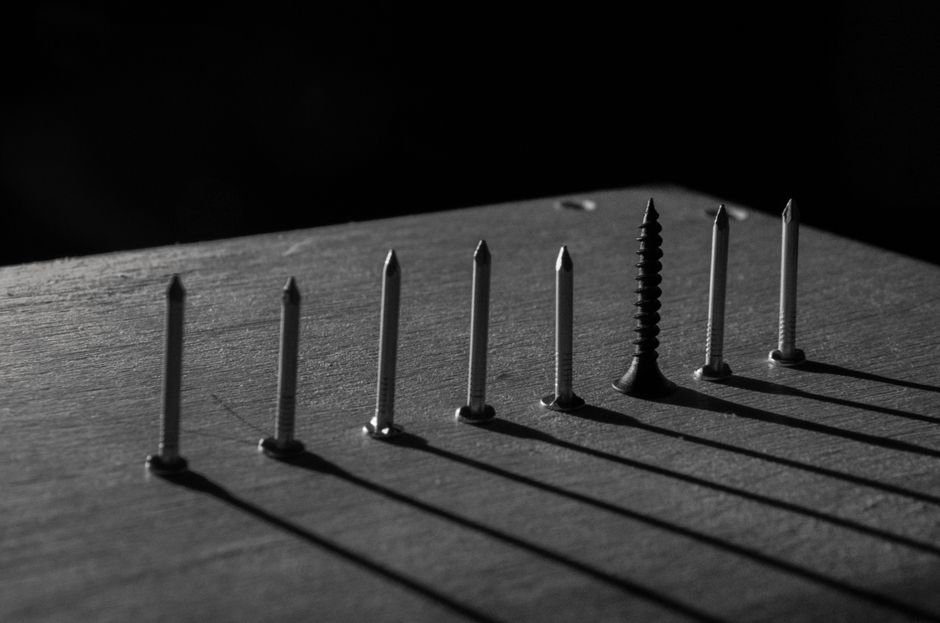
A nail making machine is a specialized piece of equipment designed to produce nails from wire coils. The process involves feeding wire into the machine, which then cuts, heads, and points the nail in a continuous operation. Modern nail making machines can produce a wide variety of nail types, including common nails, finishing nails, roofing nails, and specialty nails, with high speed and precision. These machines are essential for industries such as construction, woodworking, and packaging.
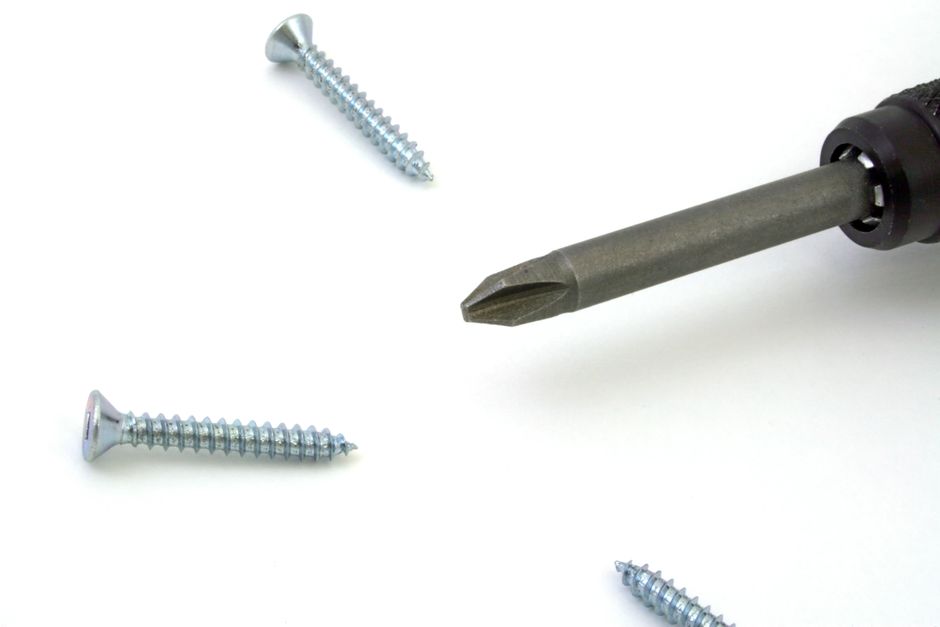
What is a Screw Making Machine?
A screw making machine, also known as a screw heading machine or cold heading machine, is used to manufacture screws from wire rods. The process typically involves cold heading to form the head, followed by thread rolling or cutting to create the threads. Screw making machines can produce various screw types, such as wood screws, machine screws, self-tapping screws, and drywall screws. They are widely used in automotive, electronics, furniture, and construction industries.
Key Differences at a Glance
| Feature | Nail Making Machine | Screw Making Machine |
|---|---|---|
| Primary Product | Nails (smooth shank, ring shank, etc.) | Screws (threaded fasteners) |
| Raw Material | Wire coils (low to medium carbon steel) | Wire rods (medium to high carbon steel, alloy steel) |
| Production Process | Cutting, heading, pointing | Cold heading, thread rolling/cutting |
| Speed | Very high (up to 1,000+ nails/min) | Moderate (100-300 screws/min) |
| Complexity | Lower (fewer moving parts) | Higher (multiple forming stations) |
| Tooling Cost | Lower | Higher |
| Maintenance | Easier | More demanding |
| Typical Applications | Construction, packaging, woodworking | Automotive, electronics, furniture |
Detailed Comparison
1. Production Process
Nail making machines operate on a simpler principle: wire is fed, cut to length, headed on one end, and pointed on the other. The entire cycle is fast and straightforward. Screw making machines, on the other hand, involve a more complex sequence. After cold heading the head, the blank is transferred to a thread rolling or cutting station. This requires precise synchronization and additional tooling.
2. Speed and Output
Nail making machines are among the fastest in the fastener industry, with some models achieving over 1,000 nails per minute. Screw making machines are slower due to the additional threading step, typically producing 100-300 screws per minute. However, the value per screw is higher than that of a nail.
3. Material Requirements
Nails are usually made from low-carbon steel wire, which is less expensive and easier to form. Screws require higher-strength materials, such as medium-carbon steel or alloy steel, to withstand torque during installation. This makes raw material costs higher for screws.
4. Tooling and Setup
Nail making machine tooling is simpler and cheaper to replace. Changing nail sizes requires adjusting dies and cutters, which can be done relatively quickly. Screw making machines require more complex tooling, including heading dies, trimming dies, and thread rolls. Setup time is longer and requires skilled operators.
5. Maintenance and Durability
Due to their simpler design, nail making machines are easier to maintain and have fewer breakdowns. Screw making machines, with their multiple moving parts and higher precision requirements, demand regular maintenance and more frequent replacement of wear parts.
6. Product Variety
Nail making machines can produce a wide range of nail types by changing dies and wire diameter. However, the basic shape remains similar. Screw making machines offer greater versatility in head styles (pan, flat, round, hex), drive types (Phillips, Torx, hex), and thread forms (coarse, fine, self-tapping). This makes screws suitable for more specialized applications.
7. Market Demand
The global demand for nails is driven by construction and packaging sectors, which are stable but highly competitive. Screws have a broader market, including automotive, electronics, and industrial machinery, where quality and precision command higher prices. The screw market is growing faster due to technological advancements.
Which Machine Should You Choose?
Choose a Nail Making Machine If:
- You target high-volume, low-cost production for construction or packaging.
- Your customers prioritize price over precision.
- You have limited technical expertise and want simpler operation.
- Your budget is constrained for initial investment and tooling.
Choose a Screw Making Machine If:
- You aim for higher margin products with strict quality standards.
- Your market includes automotive, electronics, or specialty fasteners.
- You can invest in skilled operators and regular maintenance.
- You want to offer a diverse product range with custom designs.
Conclusion
Both nail making machines and screw making machines have their place in the fastener industry. The decision ultimately depends on your target market, production volume, and business strategy. For B2B manufacturers, understanding these key differences is crucial to selecting the right equipment that aligns with your customers' needs and your long-term goals. If you're still unsure, consider starting with a nail making machine for steady income, then gradually expanding into screw production as your capabilities grow.
At [Your Company Name], we offer both nail making machines and screw making machines tailored to your specifications. Contact us today for a consultation and discover the best solution for your manufacturing line.