
Bulk Cake Box Orders: Tips for International Bakeries
1. Understand Your Cake Box Volume Requirements
When ordering bulk cake boxes for your international bakery, the first step is to accurately estimate your volume needs. Consider your daily production output, seasonal peaks, and any upcoming promotions. Overordering can lead to storage issues and wasted inventory, while underordering may disrupt your supply chain. Use historical sales data and growth projections to determine a realistic order quantity. Many suppliers offer tiered pricing, so larger orders often come with significant cost savings per unit.
For international bakeries, it's also wise to factor in lead times for manufacturing and shipping. A typical bulk order from an overseas manufacturer can take 4-8 weeks from order placement to delivery. Plan ahead to avoid stockouts during busy periods like holidays or special events. Communicate your volume requirements clearly with your supplier to ensure they can meet your demand consistently.
2. Choose the Right Material for Your Cake Boxes
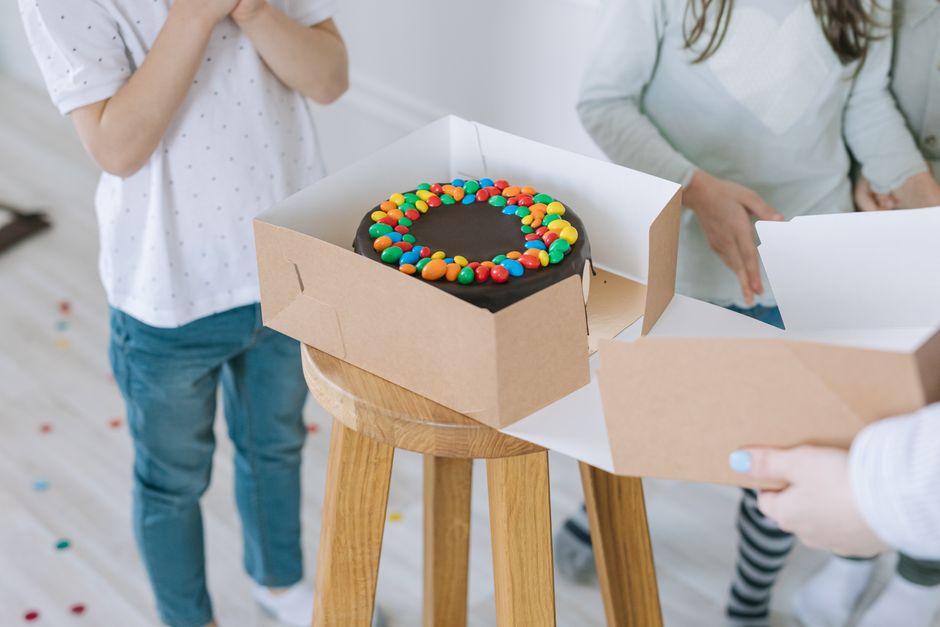
The material of your cake boxes impacts both product protection and brand perception. Common options include cardboard, Kraft paper, corrugated board, and eco-friendly materials like recycled paper or biodegradable plastics. Cardboard is lightweight and cost-effective, making it ideal for standard cakes. Kraft paper offers a rustic, natural look that appeals to eco-conscious customers. Corrugated board provides extra strength for shipping heavy or delicate cakes.
For international shipping, consider the durability and moisture resistance of the material. If your cakes are frozen or require refrigeration, choose a material that can withstand condensation without weakening. Also, check if the material meets the import regulations of your target country. For example, some countries require food-grade packaging that is BPA-free or certified compostable. Request samples from your supplier to test the material's performance in your specific conditions.
3. Customize Your Cake Boxes for Branding
Bulk cake box orders offer an excellent opportunity to enhance your brand visibility through customization. Work with your manufacturer to incorporate your bakery's logo, colors, and unique design elements. Custom printing can be done via flexography, offset printing, or digital printing, depending on the order quantity and complexity. A well-designed cake box not only protects the product but also serves as a marketing tool that reinforces brand recognition.
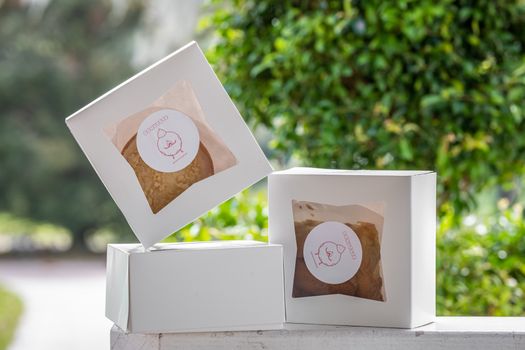
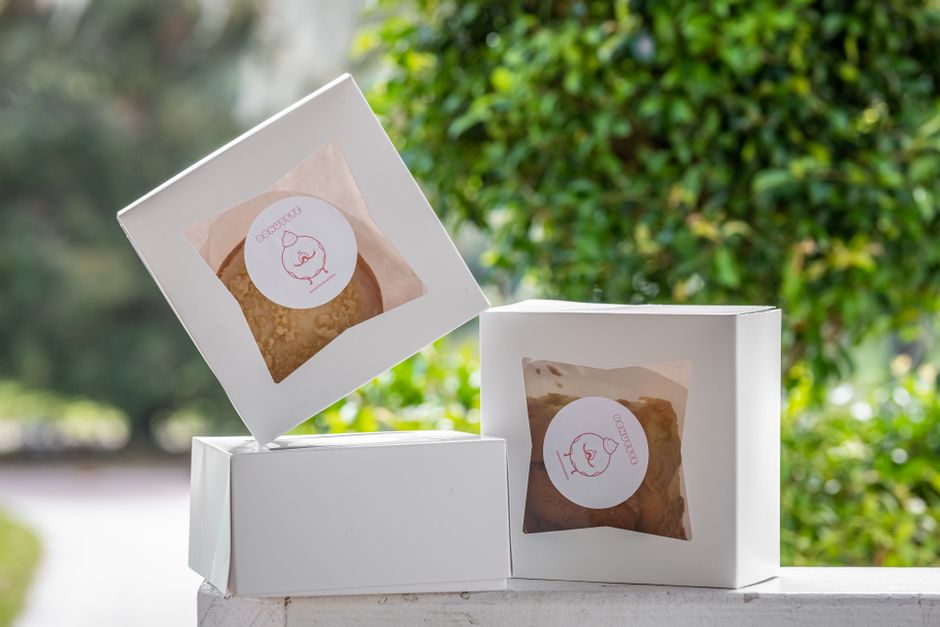
Consider adding functional features like windows to showcase the cake, handles for easy carrying, or inserts to keep the cake secure. These value-added features can differentiate your bakery from competitors. When customizing, ensure that the design complies with local labeling requirements, such as ingredient lists, allergen warnings, and net weight. Your supplier can guide you on the best printing techniques and materials for your design.
4. Negotiate Lead Times and Shipping Terms
When placing a bulk order for cake boxes, negotiate clear lead times and shipping terms with your supplier. Lead times typically include production time (often 2-4 weeks) and transit time (which varies by shipping method). Ocean freight is the most economical for large volumes but takes 20-40 days. Air freight is faster but more expensive. Consider using a freight forwarder to handle customs clearance and door-to-door delivery.
Include terms in your contract regarding delays, damages, and quality control. Request a production timeline with milestones, and ask for photos or samples before shipment. Also, discuss packaging of the boxes themselves – they should be packed in sturdy cartons to prevent damage during transit. Clarify who bears the cost of insurance and any additional fees like duties or taxes. A well-negotiated shipping agreement can prevent costly surprises.
5. Ensure Compliance with International Packaging Standards
International bakeries must comply with various packaging regulations in their destination countries. For example, the European Union requires food contact materials to meet EC No 1935/2004 standards, while the US FDA regulates packaging under 21 CFR. Your cake boxes should be made from materials that are safe for food contact and free from harmful chemicals. Also, consider environmental regulations: many countries now require packaging to be recyclable or biodegradable.
Work with your supplier to obtain certificates of compliance, such as ISO 9001 for quality management or FSC certification for sustainable sourcing. If you're shipping to multiple countries, check each country's specific labeling rules, including language requirements and recycling symbols. Non-compliance can result in fines or shipment rejection. Your supplier should be experienced in exporting to your region and able to provide the necessary documentation.
6. Request Samples Before Placing a Large Order
Before committing to a large bulk order, always request samples of the cake boxes. This allows you to evaluate the material quality, print accuracy, and structural integrity. Test the boxes with your actual cakes – check if they fit properly, if the box holds up under weight, and if the closure is secure. Pay attention to details like the folding mechanism, glue quality, and any odor from the material or ink.
Use the samples to conduct a shipping simulation: pack the box with a cake, then subject it to vibration and impact tests (e.g., drop test from 30 cm). This helps identify potential weaknesses. If possible, have the samples shipped using the same method as your bulk order to assess transit damage. Once satisfied, keep the approved sample as a reference for quality control during production.
7. Build a Long-Term Relationship with Your Supplier
Establishing a strong, long-term partnership with your cake box manufacturer can lead to better pricing, priority service, and consistent quality. Communicate openly about your needs, challenges, and feedback. Visit the factory if possible to see their operations firsthand. Regular communication helps your supplier anticipate your demand and offer proactive solutions, such as suggesting new materials or designs.
Consider signing a yearly contract to lock in prices and ensure capacity. Many suppliers offer loyalty discounts or free samples for repeat customers. A good relationship also means you can collaborate on innovations, like developing eco-friendly packaging that aligns with your brand values. Treat your supplier as a strategic partner, and they will invest in your success.