
How to Start a Cake Box Export Business: Step-by-Step Guide
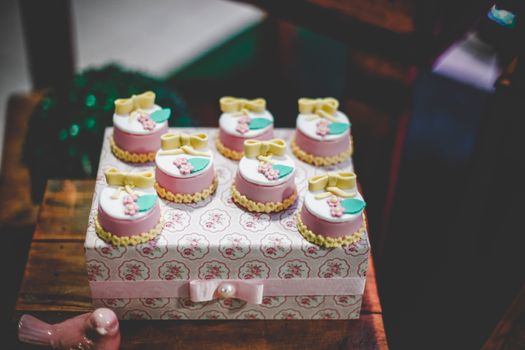
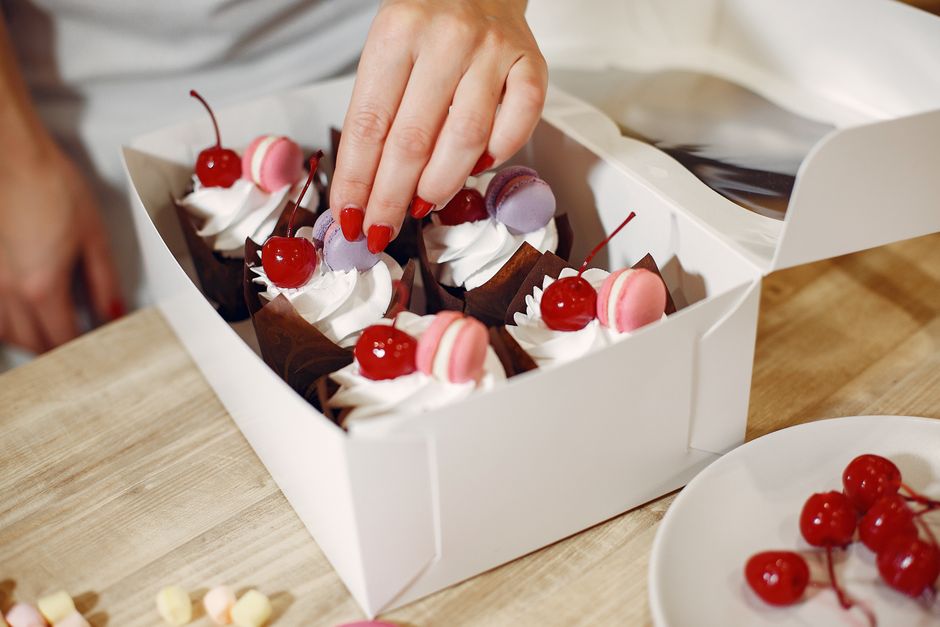
Why the Cake Box Export Market Is Booming
The global bakery packaging market is projected to reach $XX billion by 2030, driven by rising demand for convenient, eco-friendly packaging. Cake boxes, in particular, are a staple for bakeries, patisseries, and event planners worldwide. As a B2B manufacturer, exporting cake boxes offers a lucrative opportunity to tap into international demand. This guide walks you through every step of starting your export business.
Step 1: Understand Your Target Markets
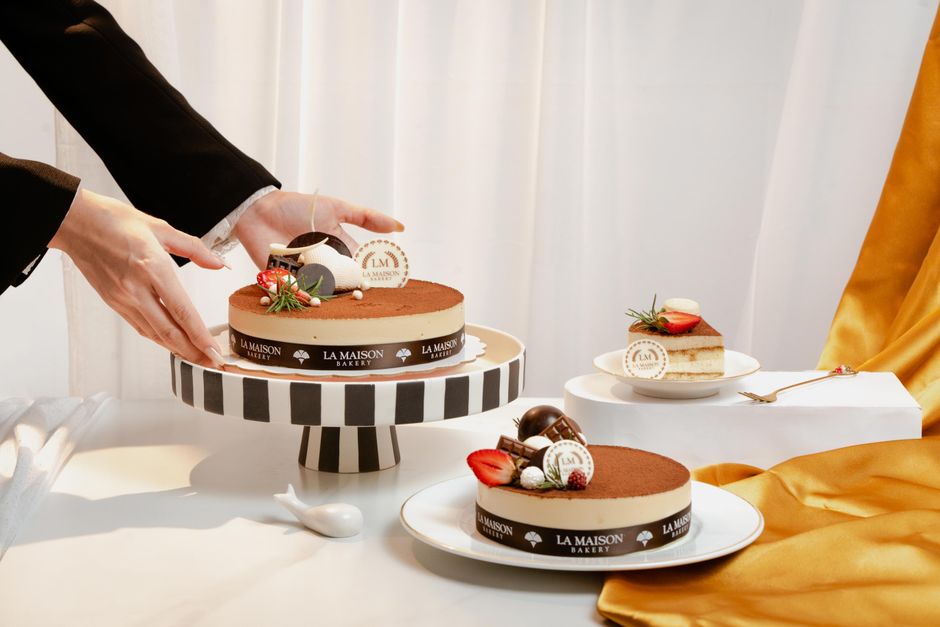
Before exporting, identify which countries have high demand for cake boxes. Key markets include the United States, United Kingdom, Germany, Australia, and Middle Eastern countries. Consider factors like local packaging regulations, cultural preferences (e.g., designs for weddings or birthdays), and seasonal peaks (e.g., Christmas, Valentine's Day). Use trade data tools like Export Genius or ITC Trade Map to analyze import volumes.
Key Market Requirements
- Food safety compliance: Many countries require FDA (US), EU, or BRC certifications.
- Material restrictions: Some regions ban certain plastics; opt for recyclable or biodegradable materials.
- Labeling: Include country of origin, material composition, and recycling symbols.
Step 2: Develop Export-Ready Products
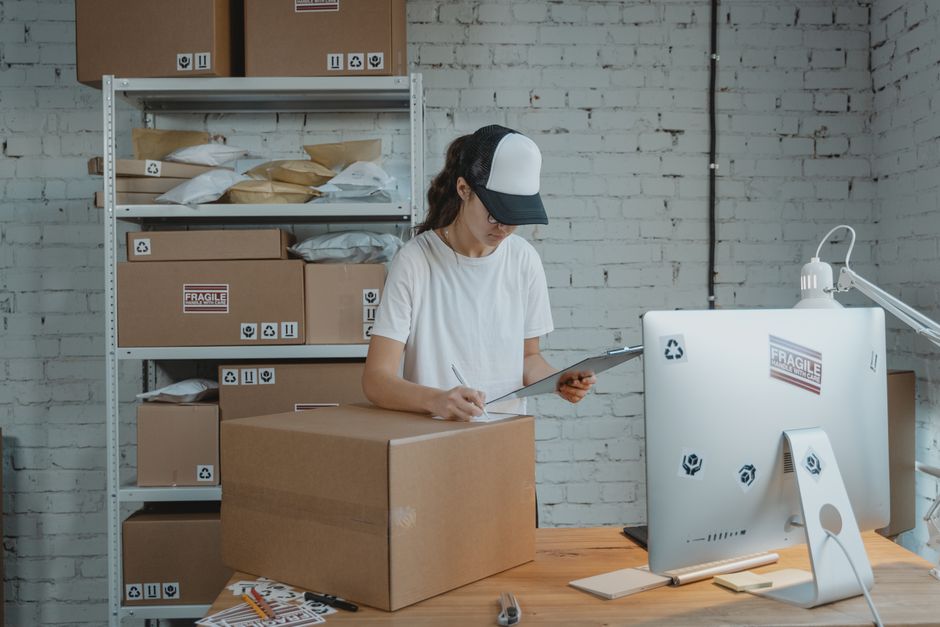
Your cake boxes must meet international standards. Focus on:
- Durability: Use sturdy cardboard or corrugated board to protect cakes during transit.
- Design: Offer customizable printing with high-quality graphics. Include window options for visibility.
- Eco-friendliness: Use FSC-certified paper, water-based inks, and compostable coatings.
- Variety: Produce standard sizes (e.g., 8x8x4 inches) and custom dimensions for different cake types.
Step 3: Set Up Your Export Business Structure
Register your company for export. In most countries, you need:
- Business license and tax ID
- Export-Import Code (e.g., IEC in India, EIN in US)
- Bank account for foreign transactions
- Trade agreements: Understand tariffs under free trade agreements (e.g., USMCA, EU-Japan EPA)
Step 4: Pricing and Quotation Strategy
Calculate your export price using this formula:
FOB Price = Production Cost + Profit Margin + Export Expenses
Include costs like packaging, inland freight, documentation, and port charges. Offer competitive pricing by negotiating bulk discounts with raw material suppliers. Use Incoterms like FOB (Free on Board) or CIF (Cost, Insurance, Freight) to define responsibilities.
| Incoterm | Seller Responsibility | Buyer Responsibility |
|---|---|---|
| EXW | Goods at factory | All transport and risk |
| FOB | Delivery to port | Ocean freight and insurance |
| CIF | Delivery to destination port | Import clearance and local delivery |
Step 5: Find International Buyers
Leverage multiple channels:
- B2B platforms: Alibaba, Global Sources, Made-in-China
- Trade shows: PackExpo, Interpack, Gulfood Manufacturing
- Direct outreach: Use LinkedIn to connect with bakery chain procurement managers
- Distributors: Partner with local packaging distributors in target countries
Step 6: Handle Export Documentation
Essential documents for customs clearance:
- Commercial Invoice
- Packing List
- Bill of Lading (for sea) or Air Waybill (for air)
- Certificate of Origin
- Inspection Certificate (if required)
- Insurance Certificate
Work with a freight forwarder to ensure compliance.
Step 7: Manage Logistics and Shipping
Choose between sea (cost-effective for bulk) or air (fast for samples). For cake boxes, sea freight is typical. Use 20ft or 40ft containers. Optimize packaging to minimize volume and reduce costs. Consider consolidating shipments with other exporters.
Step 8: Build Trust with Quality and Certifications
Invest in certifications to win buyer confidence:
- ISO 9001: Quality management
- BRC Packaging: Global standard for packaging safety
- FSC: Sustainable forestry
- FDA: US food contact approval
Step 9: Create a Strong Online Presence
Your website should showcase your export capabilities. Include:
- Product catalog with high-resolution images and specifications
- Export experience and client testimonials
- Contact form with inquiry options
- Blog posts on packaging trends (like this one!)
Step 10: Scale and Diversify
Once you have a steady export flow, expand your product line to include cupcake boxes, pastry boxes, and gift packaging. Enter new markets by adapting designs to local festivals and customs. Use customer feedback to improve.
Conclusion
Starting a cake box export business requires careful planning, from market research to logistics. By following this step-by-step guide, you can avoid common pitfalls and build a profitable international trade. Focus on quality, compliance, and customer relationships. Ready to export? Contact us for a quote on our premium cake boxes!