

1. Understand the Material Composition
When sourcing cheap spray painting canvas for resale, the first factor to examine is the material. Most budget-friendly canvases are made from cotton, polyester, or a blend. Pure cotton offers a natural texture and good paint absorption, but may be less durable. Polyester blends are more resistant to tearing and moisture, making them suitable for long-term use. For resale, consider offering both options to cater to different customer preferences. Always request a material sample to test the feel and performance before bulk ordering.
Additionally, check the fabric weight measured in grams per square meter (gsm). Heavier canvas (e.g., 300-400 gsm) provides a sturdier surface that prevents sagging, while lighter canvas (200-280 gsm) is more economical and easier to handle. For resale, a medium weight around 280-350 gsm is a versatile choice that balances cost and quality.

2. Evaluate the Primer and Coating Quality
Cheap spray painting canvas often comes pre-primed to save time for artists. However, the quality of the primer can vary significantly. A good primer should be acid-free and archival to prevent yellowing over time. It should also provide a uniform, slightly textured surface that grips paint without excessive absorption. Ask your supplier for the number of primer layers—typically 2-3 layers offer adequate coverage. Avoid canvases with a glossy or overly smooth finish, as they can cause paint to bead up or crack.
For resale, you can differentiate your products by offering options with different primer types: universal (for acrylic and oil), or specialized (e.g., for spray paint only). Some budget canvases may have a thin primer that requires additional coats from the user, which can be a selling point for cost-conscious buyers but may disappoint quality-focused artists.
3. Check the Stretching and Frame Construction
The way the canvas is stretched over the frame affects its stability and longevity. Look for canvases with a solid wood frame that is kiln-dried to prevent warping. The stretcher bars should be properly mitered and stapled on the back (not the sides) to ensure a clean edge. Cheap canvases may use thin or soft wood that bends under tension, leading to sagging. For resale, emphasize that your canvases feature reinforced corners and a consistent tension.
Also, consider the depth of the frame. Standard depth (3/4 inch) is fine for most uses, but deeper frames (1.5 inches) give a gallery-wrapped look that many artists prefer. Offering both depths can help you target different market segments. Test the tension by pressing on the canvas—it should feel tight like a drum, not loose or baggy.
4. Assess the Staple Pattern and Edge Finish
For resale, the appearance of the canvas edges matters, especially if the buyer intends to display the artwork without a frame. Gallery-wrapped canvases have staples on the back, allowing the sides to be painted. Check that the staples are evenly spaced and not too close to the edge to avoid splitting the wood. Cheap canvases may have staples on the sides, which can be unsightly and limit framing options.
Furthermore, inspect the canvas corners for neat folding. A well-made canvas will have crisp, clean corners with no excess fabric bunching. If you are sourcing in bulk, ask for a sample to examine these details. You can also request custom finishes, such as black or colored edges, to add value for resale.
5. Verify the Canvas's Compatibility with Spray Paint
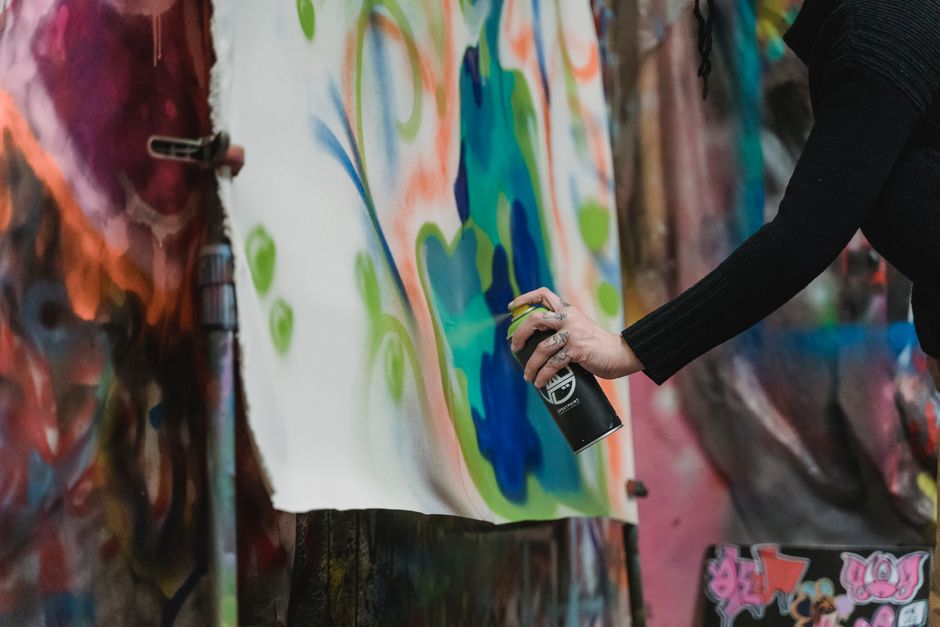
Not all canvases are optimized for spray painting. Spray paint is thinner and more fluid than brush-on paint, so the canvas must have a surface that prevents bleeding and ensures even coverage. Look for canvases with a fine-tooth texture that holds paint without soaking through. Some cheap canvases have a rough weave that causes paint to pool in the valleys, resulting in uneven color.
Test the canvas by spraying a small area with water or paint. If the liquid beads up or soaks in too quickly, it may not be suitable. For resale, you can market canvases as 'spray paint ready' if they pass this test. Providing a compatibility guarantee will build trust with your buyers.
6. Compare Price vs. Quantity Discounts
When buying cheap canvases for resale, the unit price is crucial. Request quotes for different order quantities (e.g., 50, 100, 500, 1000 pieces) to see the discount tiers. Often, the price per canvas drops significantly at higher volumes. However, beware of hidden costs such as shipping, customs, and packaging. Calculate the total landed cost to ensure your profit margin remains healthy.
Also, consider the packaging quality. Cheap canvases may be packed loosely, leading to damage during transit. Ask your supplier about packaging details—individual protective sleeves or sturdy cardboard boxes add cost but reduce returns. For resale, you can offer bulk packs at a lower price per unit, or single canvases with premium packaging at a higher margin.
7. Research Supplier Reputation and Lead Times
Your supplier's reliability is as important as the product quality. Look for manufacturers with a proven track record in exporting spray painting canvas. Check for certifications like ISO or SGS, and read reviews from other buyers. A reputable supplier will provide clear communication, samples, and a reasonable lead time (typically 15-30 days for bulk orders).
Be cautious of extremely low prices, as they may indicate substandard materials or poor labor conditions. Request references or visit the factory if possible. For resale, consistent quality and on-time delivery are key to maintaining your own reputation. Establish a good relationship with your supplier to negotiate better terms and secure priority during peak seasons.
8. Consider the Environmental and Safety Aspects
Increasingly, artists and resellers prefer eco-friendly products. Cheap spray painting canvas may be treated with chemicals that emit VOCs (volatile organic compounds). Opt for suppliers that use water-based primers and non-toxic materials. You can market your canvases as 'low-VOC' or 'eco-friendly' to attract environmentally conscious buyers.
Additionally, check if the canvas is free from heavy metals and phthalates, especially if it will be used by children or in schools. Some certifications like GREENGUARD or OEKO-TEX can be a strong selling point. Even if you are buying cheap canvases, ensuring they meet basic safety standards will reduce liability and enhance your brand image.
9. Look for Customization Options
To stand out in the resale market, offer customization. Many suppliers can provide canvases with your own brand label, custom sizes, or even pre-printed designs. While this may increase the unit cost, it allows you to build a unique product line. Start with standard sizes (e.g., 8x10, 11x14, 16x20 inches) that are most popular among spray paint artists.
You can also offer value-added services like pre-gessoed surfaces or special textures (e.g., fine grain, medium grain). For resale, having a range of options lets you cater to different skill levels and budgets. Discuss minimum order quantities for customizations with your supplier to ensure feasibility.
10. Analyze the Return and Warranty Policies
Finally, understand the supplier's return policy. If you receive a batch of defective canvases (e.g., warped frames, peeling primer), you need a clear process for returns or replacements. Some suppliers offer a warranty of 30-90 days, while others may not accept returns on bulk orders. For resale, factor in a small percentage of potential defects when pricing your products.
Build a buffer by ordering 5-10% extra for quality control. Once you have a reliable supplier, maintain a sample inventory to test each new batch. This proactive approach will minimize customer complaints and protect your reputation as a reseller of cheap spray painting canvas.