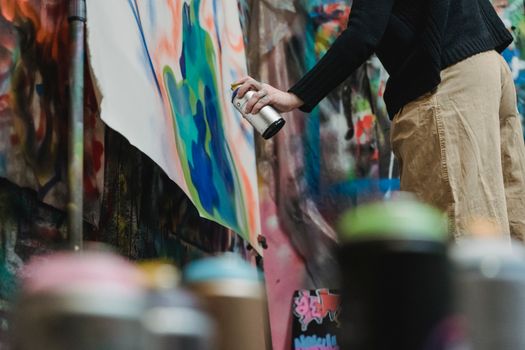
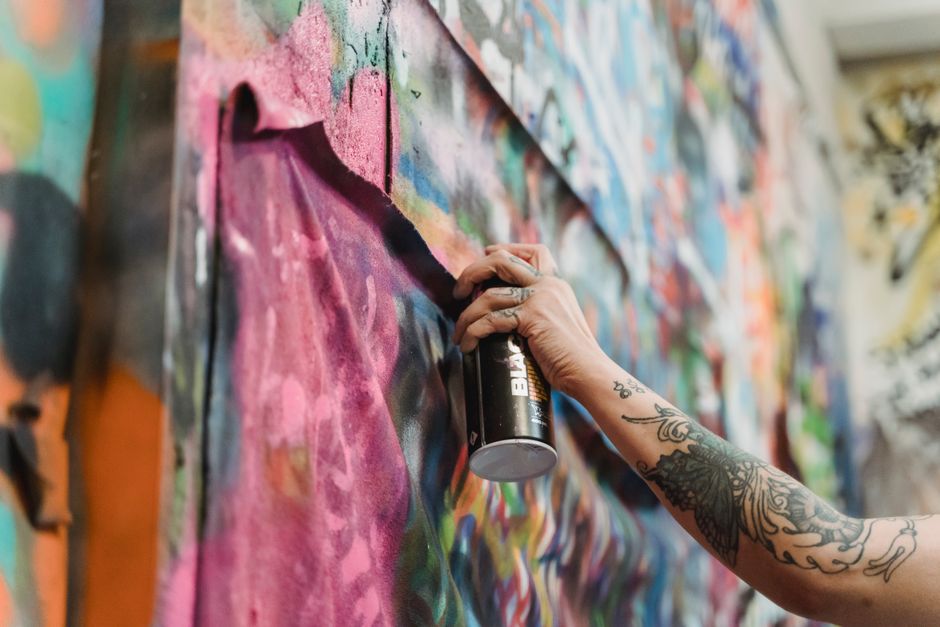
Introduction to Spray Painting Canvas for Art Export
As a B2B manufacturer specializing in spray painting canvas for foreign trade, we understand the nuances of creating high-quality art canvases that meet international standards. This comprehensive guide will walk you through everything you need to know about spray painting canvas for art export, from material selection to finishing techniques. Whether you are an artist, gallery owner, or distributor, this guide will help you make informed decisions for your export needs.
Why Choose Spray Painting Canvas?
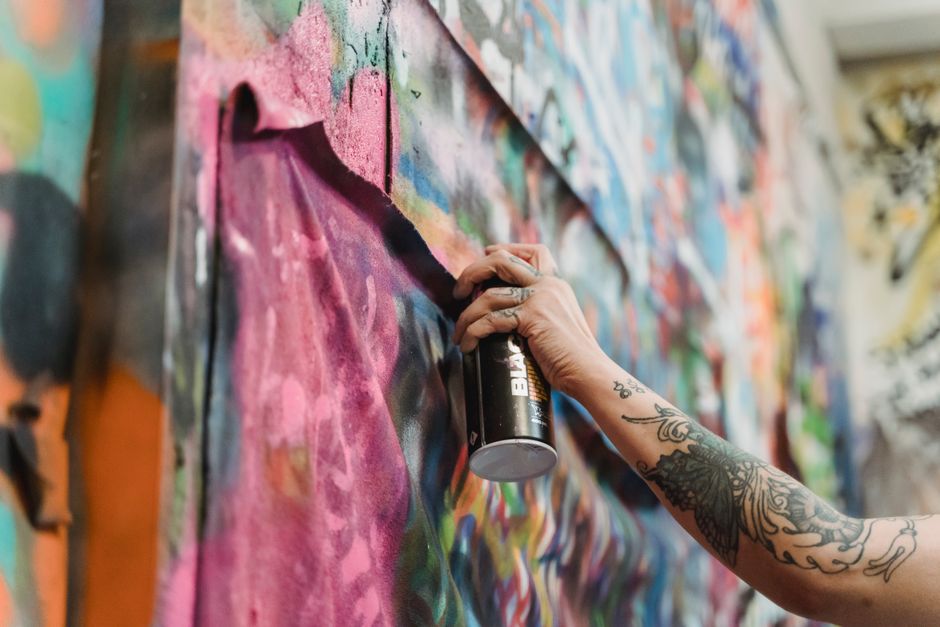
Spray painting canvas offers several advantages over traditional brush or roller methods, especially for export purposes. It provides a smooth, even coating with minimal brush marks, faster drying times, and consistent color application. For bulk orders, spray painting ensures uniformity across all pieces, reducing rejection rates in international markets. Additionally, spray painting allows for creative effects like gradients and stenciling that appeal to contemporary art buyers.
Benefits for Export
- Consistency: Automated spray systems deliver the same finish on every canvas, crucial for large-scale orders.
- Durability: Properly applied spray paint forms a robust layer that resists cracking and fading during shipping.
- Versatility: Suitable for various canvas types, including cotton, linen, and polyester blends.
- Efficiency: Faster production cycles mean quicker turnaround for export deadlines.
Selecting the Right Canvas Material
The foundation of a great spray painted canvas is the material itself. For export, you need canvas that can withstand handling, humidity changes, and long transit times. Common options include:
| Material | Weight (gsm) | Best For | Export Considerations |
|---|---|---|---|
| Cotton Duck | 250-400 | General painting | Absorbent, may require primer for spray paint |
| Linen | 300-500 | Professional artworks | Expensive but highly durable; natural texture |
| Polyester Blend | 200-350 | Budget-friendly exports | Lightweight, resists moisture, less prone to warping |
For spray painting, we recommend a medium-weight (300-400 gsm) cotton or linen canvas with a fine grain. Heavier canvases (400+ gsm) are better for large format works but require more paint and drying time. Always test a sample before bulk production to ensure paint adhesion and finish.
Preparing the Canvas for Spray Painting
Proper preparation is key to achieving a professional look. Follow these steps:
Stretching and Priming
Stretch the canvas tightly over a wooden frame to avoid wrinkles. Use a staple gun and ensure even tension. Apply a coat of gesso primer to seal the fibers and create a smooth surface. For spray paint, use a spray primer that matches your paint type (e.g., acrylic-based). Let it dry completely before painting.
Surface Cleaning
Dust and oils can cause paint to peel. Wipe the canvas with a lint-free cloth slightly dampened with water or isopropyl alcohol. Avoid touching the surface with bare hands.
Spray Painting Techniques for Export Quality
To ensure your canvases meet international quality standards, follow these best practices:
Choosing the Right Paint
Use high-quality acrylic spray paints that are UV-resistant and non-yellowing. For export, look for paints that comply with ASTM D4236 (art materials) and are free from harmful solvents. Water-based spray paints are preferred for eco-friendly shipments.
Application Tips
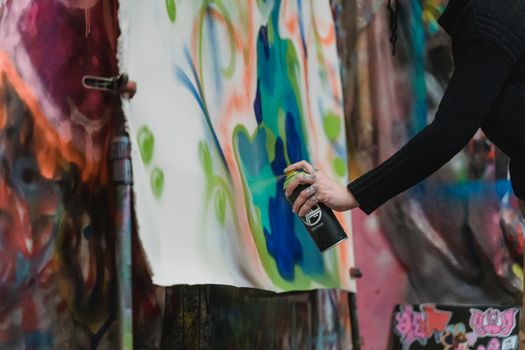
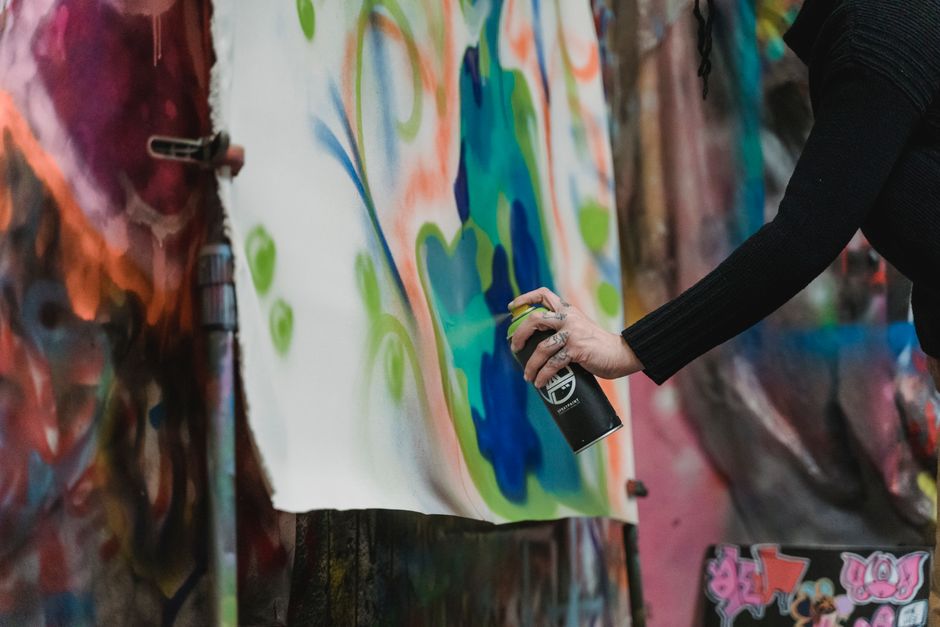
- Distance: Hold the spray can 6-8 inches from the canvas. Closer application causes drips; further results in a dusty finish.
- Motion: Use smooth, even strokes from left to right. Overlap each pass by 50% to avoid stripes.
- Layers: Apply thin coats rather than one thick coat. Let each layer dry for 15-30 minutes (depending on humidity) before the next.
- Environment: Work in a well-ventilated area with temperature between 60-80°F (15-27°C). High humidity can cause blushing (white haze).
Creating Effects
For added value, consider techniques like:
- Stenciling: Use adhesive stencils for crisp patterns.
- Gradients: Spray from a distance and gradually move closer for a fading effect.
- Texturing: Apply a base layer, then use a sponge or cloth to dab while wet.
Drying and Curing
After painting, canvases need proper drying and curing to avoid damage during shipping. Air drying is standard, but for faster production, use a drying rack with fans. Avoid direct sunlight which can cause uneven drying. Full cure takes 24-48 hours; during this time, keep canvases in a dust-free area. For export, we recommend a minimum cure time of 72 hours before packaging.
Quality Control for Export
International buyers expect flawless products. Implement these checks:
- Visual Inspection: Check for runs, sags, or uneven coverage under bright light.
- Adhesion Test: Gently scratch a small area to ensure paint doesn't flake.
- Color Consistency: Compare against a standard swatch using a colorimeter if possible.
- Packaging: Wrap each canvas in acid-free tissue paper, then bubble wrap. Use sturdy cardboard boxes with edge protectors.
Shipping and Logistics Considerations
Exporting spray painted canvases requires careful planning. Here are some tips:
- Moisture Protection: Include silica gel packets in packaging to absorb humidity.
- Labeling: Clearly mark "Fragile" and "This Side Up" in multiple languages.
- Customs Documentation: Provide a commercial invoice with HS code 5907.00 (textile fabrics coated with paint). Include a certificate of origin if required.
- Insurance: Insure high-value shipments against damage or loss.
Conclusion
Spray painting canvas for art export is a rewarding venture when done correctly. By selecting quality materials, mastering spray techniques, and implementing rigorous quality control, you can deliver products that satisfy international clients. Remember to stay updated on export regulations and market trends. Contact us today for a consultation or to request samples. We are your trusted partner in spray painting canvas for global art markets.