
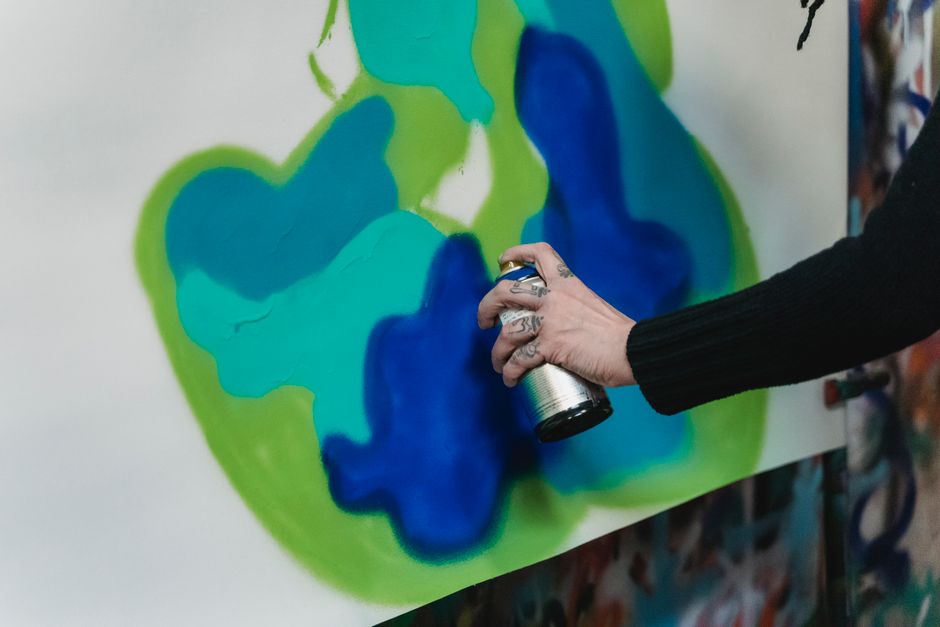
Introduction to Spray Painting Canvas in Interior Design
Spray painting canvas has emerged as a transformative technique in interior design, offering unparalleled versatility and artistic expression. Unlike traditional brush painting, spray painting allows for smooth gradients, intricate stencils, and consistent coverage, making it ideal for creating custom wall art, furniture accents, and decorative panels. For B2B manufacturers in foreign trade, understanding this trend is key to producing high-quality canvases that meet the demands of designers and architects worldwide.
This comprehensive guide explores how spray painting canvas can elevate interior spaces, from residential homes to commercial establishments. We'll cover techniques, material selection, design inspiration, and practical tips to help you create stunning pieces that stand out in the global market.
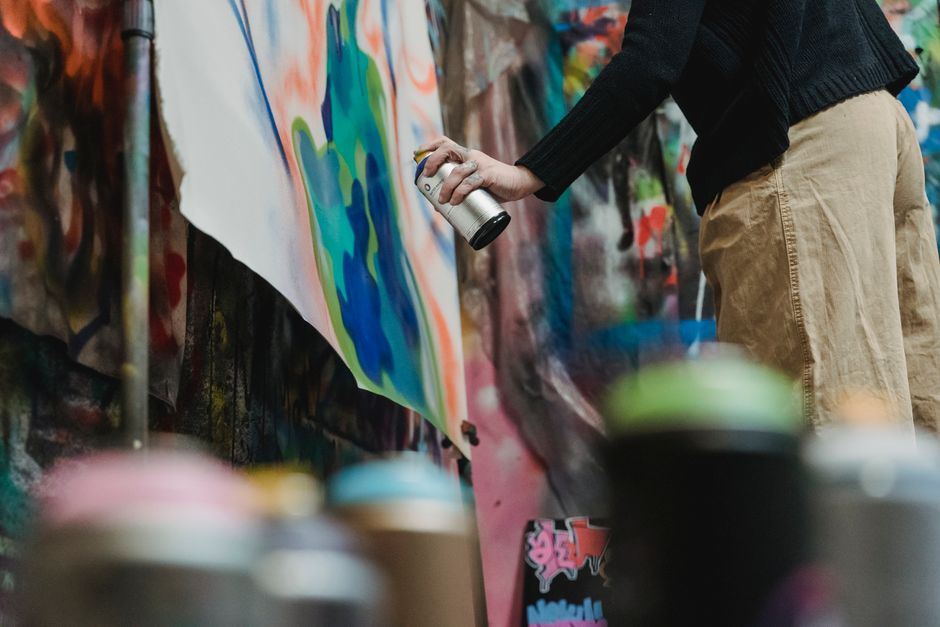
Why Choose Spray Painting Canvas for Interior Design?
Spray painting offers distinct advantages over conventional methods. Its ability to deposit a fine, even mist of paint reduces brush strokes and ensures a flawless finish. This technique is particularly effective for large-scale projects where consistency is critical. Additionally, spray painting facilitates the use of multiple colors in a single session, enabling complex patterns and ombré effects that are difficult to achieve with brushes.
For interior designers, spray-painted canvases provide a lightweight, customizable alternative to murals or wallpaper. They can be easily repositioned and serve as focal points in living rooms, offices, or hospitality spaces. The durability of spray paint on canvas also makes it suitable for high-traffic areas when properly sealed.
Key Benefits
- Uniform Coverage: Even application without streaks or bubbles.
- Time Efficiency: Faster than hand-painting large surfaces.
- Versatility: Works with stencils, freehand, and masking techniques.
- Customizability: Endless color combinations and effects.
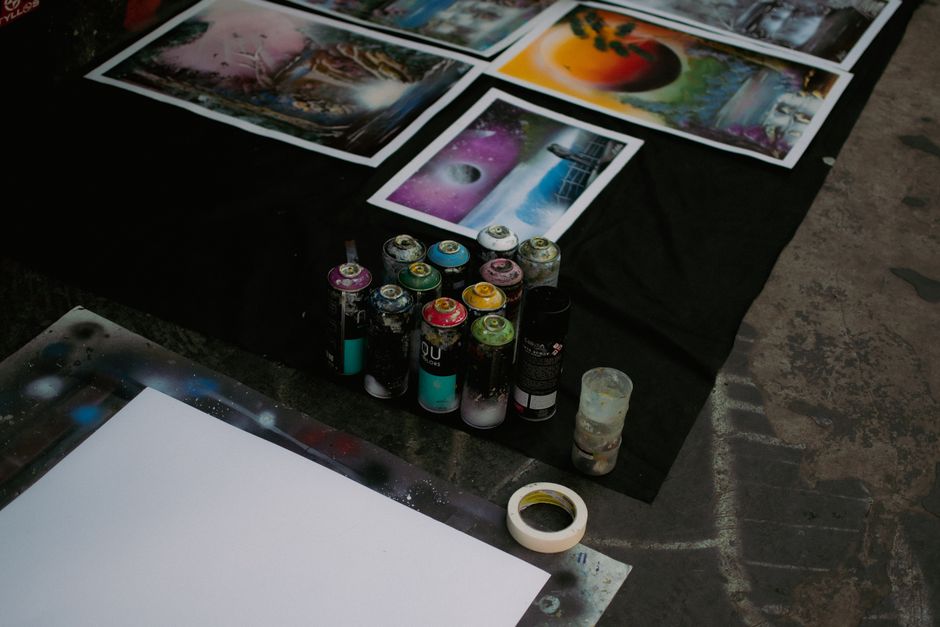
Essential Materials and Tools
To achieve professional results, selecting the right materials is crucial. Below is a table summarizing recommended options for B2B production.
| Material | Specification | Purpose |
|---|---|---|
| Canvas | Stretched cotton or polyester, 10-12 oz | Durable painting surface |
| Spray Paint | Acrylic-based, low-VOC, matte or gloss | Vibrant color with adhesion |
| Primer | Gesso or spray primer | Prevents paint absorption |
| Stencils | Mylar or adhesive vinyl | Reusable patterns |
| Sealer | Clear acrylic spray | Protects finished artwork |
Invest in high-quality spray paints from reputable brands like Montana or Liquitex to ensure consistency and lightfastness. For large-scale production, consider using airbrushes or HVLP systems for better control and reduced overspray.
Design Inspiration: Themes and Styles
Spray painting canvas opens doors to diverse design aesthetics. Here are five popular themes that resonate in interior design markets.
1. Abstract Expressionism
Create dynamic compositions with layered splatters, drips, and sweeping arcs. Use contrasting colors like deep blues and golds for a dramatic effect. This style works well in modern lofts and creative offices.
2. Geometric Patterns
Leverage masking tape to produce sharp lines and shapes. Hexagons, chevrons, and concentric circles offer a contemporary look. Metallic paints add a luxurious touch for hospitality venues.
3. Nature-Inspired Motifs
Stencil leaves, florals, or abstract landscapes. Earth tones paired with vibrant greens evoke serenity. Ideal for spas, wellness centers, or residential bedrooms.
4. Ombré and Gradients
Master the art of fading one color into another. Hold the spray can at an angle and build layers gradually. Ombré canvases serve as subtle backdrops or statement pieces.
5. Pop Art and Typography
Use stencils for bold quotes or iconic imagery. High-contrast colors (e.g., black and yellow) grab attention in retail spaces or game rooms.
Step-by-Step Production Process
Follow these steps to ensure consistent quality in your manufacturing line.
- Prepare the Canvas: Stretch canvas tightly on a frame and apply a thin coat of gesso to seal the fibers. Let dry completely.
- Mask and Protect: Cover areas you want to keep paint-free using painter's tape or stencils. Use drop cloths to protect surroundings.
- Prime (Optional): For vibrant colors, apply a white or gray primer spray. This step is essential for dark canvases.
- Spray Paint: Shake the can vigorously for 2 minutes. Hold 6-8 inches from the surface and apply in even, sweeping motions. Build up color in thin layers to prevent drips.
- Add Details: Once the base is dry, use stencils or freehand for patterns. Metallic or glitter sprays can be added for accents.
- Seal: After 24 hours, apply a clear sealer to protect against UV light and scratches.
Practical Tips for B2B Manufacturers
- Batch Consistency: Use jigs to position stencils uniformly across multiple canvases.
- Ventilation: Ensure spray booths have adequate airflow to comply with safety regulations and reduce VOC exposure.
- Quality Control: Inspect each canvas for pinholes, uneven coverage, or paint runs. Use a light box to check uniformity.
- Packaging: Wrap finished canvases in acid-free tissue and bubble wrap to prevent damage during shipping.
Trends in Interior Design for 2025
Stay ahead by incorporating these emerging trends into your product line:
- Biophilic Design: Nature-inspired textures and organic shapes.
- Bold Monochromes: Single-color canvases with subtle texture variations.
- Interactive Art: Canvases with QR codes or embedded NFC tags for digital engagement.
- Sustainable Materials: Use recycled canvas and eco-friendly spray paints to appeal to green-conscious buyers.
Conclusion
Spray painting canvas offers endless possibilities for interior design, blending artistry with industrial efficiency. By mastering techniques, selecting quality materials, and staying attuned to market trends, B2B manufacturers can produce canvases that captivate designers worldwide. Whether you're creating bespoke pieces for luxury hotels or mass-produced art for retail, this guide provides the foundation for success. Start experimenting with spray painting today and transform blank canvases into inspiring works of art.