
Introduction to Spray Painting Canvas Manufacturing
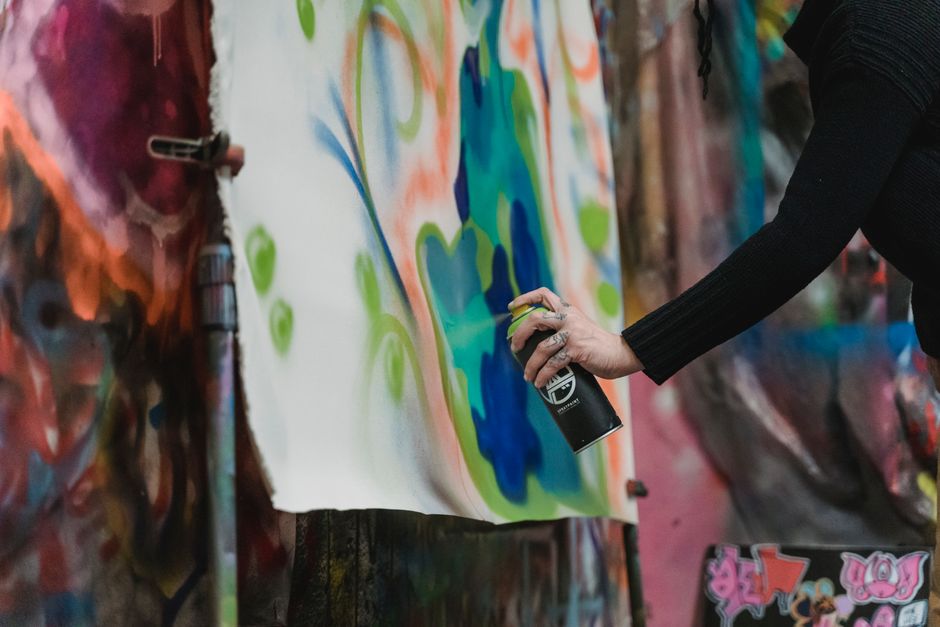
Spray painting canvas is a specialized product used extensively in the art, design, and industrial sectors. As a B2B manufacturer catering to foreign trade, understanding the intricate manufacturing process is crucial for delivering high-quality canvases that meet international standards. This guide provides an in-depth look at each step, from raw material selection to final packaging, along with practical tips for optimizing production.
Raw Material Selection: The Foundation of Quality
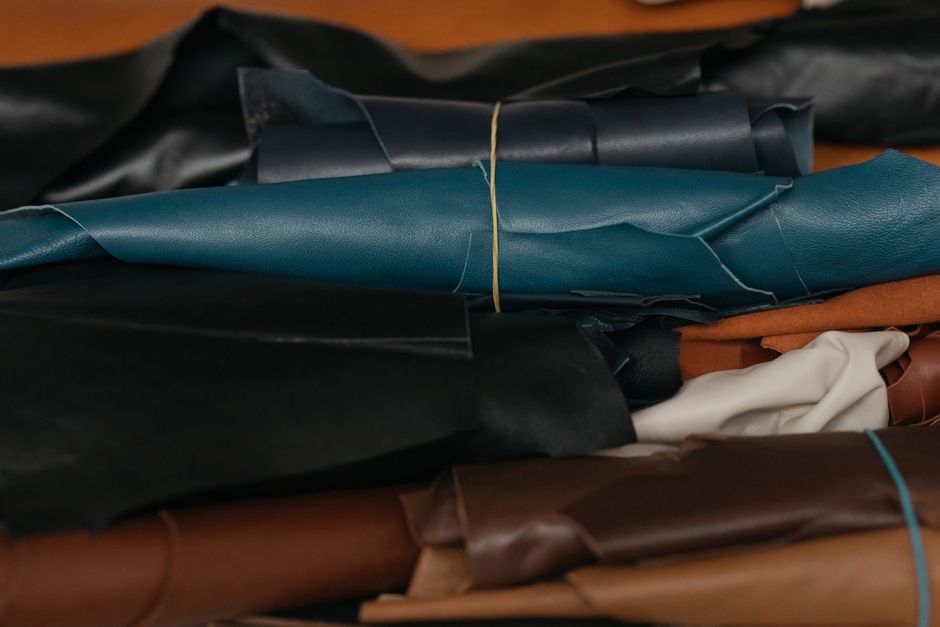
The manufacturing process begins with selecting the right raw materials. The primary components are the canvas fabric and the paint primer. For spray painting canvases, a tightly woven cotton or linen fabric is preferred due to its ability to hold paint without bleeding. The fabric must be free of impurities and have consistent tension.
Choosing the Right Fabric
- Cotton canvases are economical and offer a smooth surface, ideal for fine details.
- Linen canvases are more durable and have a natural texture that many artists prefer.
- Polyester blends provide enhanced durability and are less prone to stretching.
Primer and Coating Materials
The primer, often a gesso-based coating, ensures the paint adheres properly and prevents absorption. High-quality primers are water-resistant and flexible to prevent cracking. Some manufacturers add UV inhibitors to protect the canvas from fading.
Step-by-Step Manufacturing Process
1. Fabric Preparation
The raw fabric is first inspected for defects. It is then washed to remove any sizing or impurities. After washing, the fabric is dried and stretched on a tenter frame to ensure uniform tension. This step is critical to prevent warping during later stages.
2. Priming the Canvas
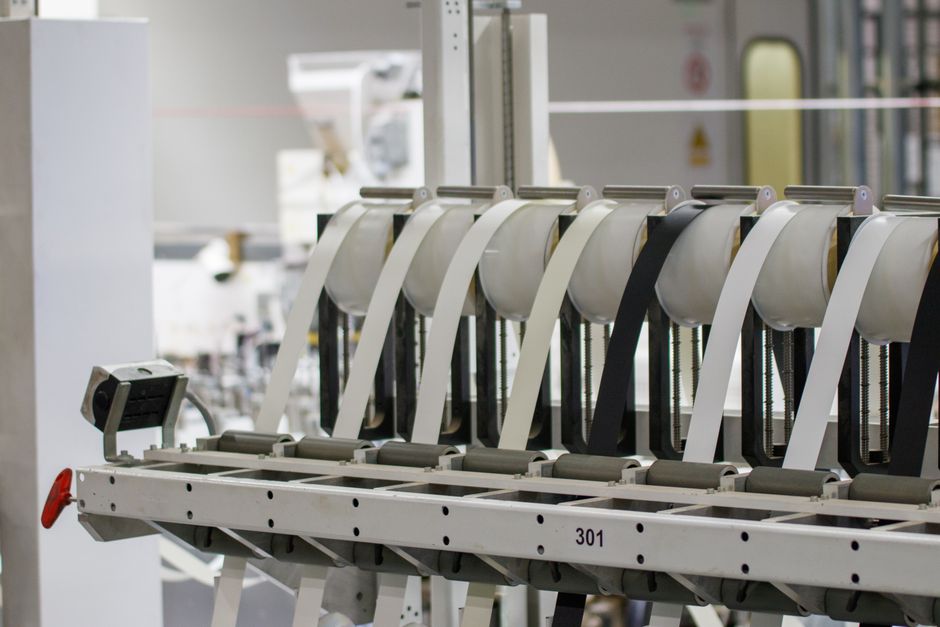
The primer is applied using a spray coating system. Automated spray booths with precise nozzles ensure an even coat. The canvas passes through the booth at a controlled speed, and multiple thin layers are applied rather than one thick layer to achieve a smooth finish. After each coat, the canvas is dried in a heated tunnel.
3. Drying and Curing
Drying is done in a multi-zone oven with temperatures ranging from 100°F to 150°F. The canvas must be completely dry before the next step. Curing may take 24-48 hours in a controlled environment to ensure the primer fully bonds with the fabric.
4. Quality Inspection
Each roll of canvas is inspected for uniformity of coating, thickness, and surface defects. Advanced manufacturers use automated scanners that measure reflectivity and texture. Any imperfections are flagged and removed.
5. Cutting and Rolling
The canvas is cut into standard lengths (e.g., 10m, 20m rolls) using precision cutting machines. The edges are sealed to prevent fraying. The canvas is then rolled onto cores with protective interleaving paper to avoid sticking.
6. Packaging
Finally, rolls are wrapped in plastic film and placed in sturdy cardboard boxes. For export, additional moisture barrier packaging is used. Each box is labeled with product specifications, batch number, and handling instructions.
Quality Control Measures
| Parameter | Test Method | Standard |
|---|---|---|
| Surface smoothness | Visual inspection under lights | No bumps or ridges |
| Coating thickness | Micrometer measurement | 0.1-0.2 mm |
| Adhesion strength | Tape test | No peeling |
| Tensile strength | Universal testing machine | >50 N/cm |
Common Challenges and Solutions
Uneven Coating
Solution: Calibrate spray nozzles regularly and maintain consistent conveyor speed.
Bubbling or Blistering
Solution: Reduce coating thickness and increase drying time between layers.
Color Inconsistency
Solution: Use automated color measurement systems to ensure primer batches match.
Practical Tips for B2B Buyers
- Request samples from multiple batches to assess consistency.
- Verify that the canvas meets ASTM or ISO standards for art materials.
- Consider custom primer colors or textures for niche applications.
- Ask about lead times and minimum order quantities for bulk purchases.
Conclusion
Mastering the spray painting canvas manufacturing process requires attention to detail at every stage. By focusing on raw material quality, precise coating application, and rigorous testing, manufacturers can produce canvases that satisfy the demands of international customers. For foreign trade buyers, understanding these processes helps in selecting reliable suppliers and ensuring product excellence.