
1. Why Spray Painting Canvas Is Ideal for Photography Backdrops
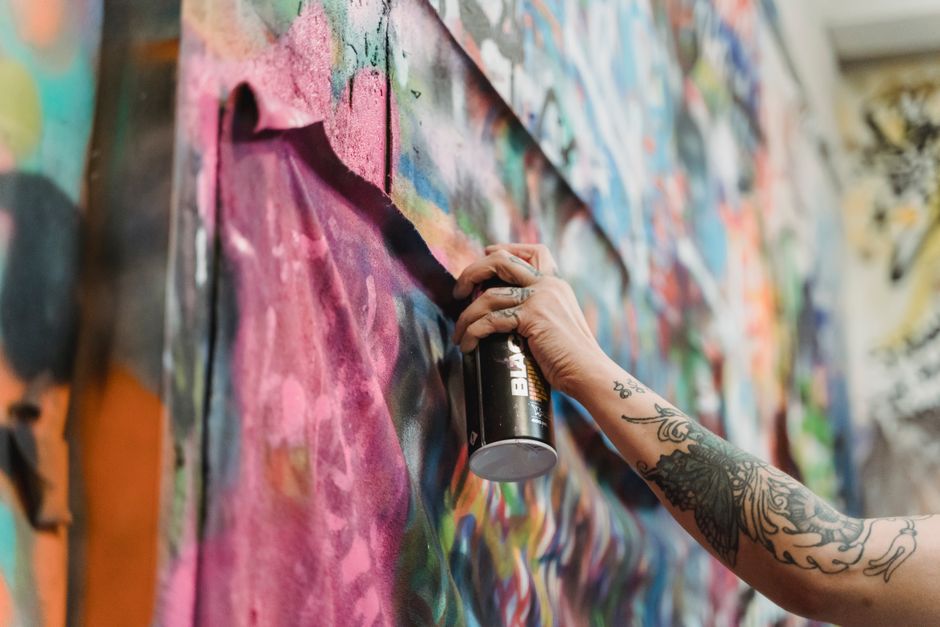
Spray painting canvas offers photographers a cost-effective way to create custom backdrops that are lightweight, portable, and durable. Unlike traditional painted backdrops, spray painting allows for seamless gradients, textured effects, and quick drying times. Canvas material absorbs paint evenly, reducing the risk of streaks or pooling, which is essential for professional-looking results. Additionally, spray-painted canvases can be easily stored and reused, making them a favorite among studio and location photographers.
For B2B manufacturers, producing high-quality spray-painted canvas backdrops requires precision in paint formulation and application techniques. The right combination of fabric type, paint viscosity, and spray pattern ensures consistent color saturation and texture. By understanding these factors, businesses can offer custom solutions that meet the diverse needs of photographers, from fashion shoots to product photography.
2. Best Paint Types for Canvas Backdrops
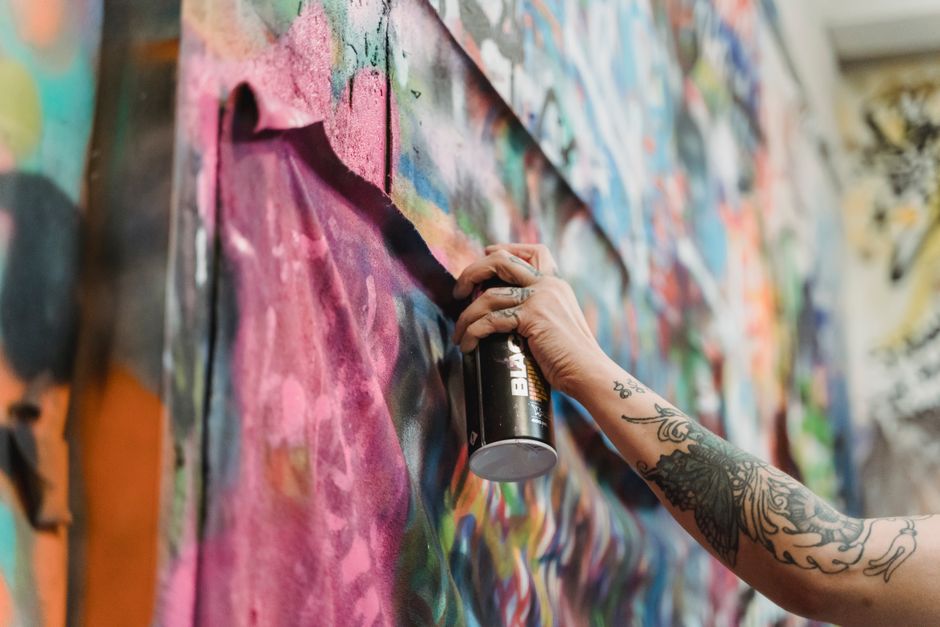
When selecting paint for canvas backdrops, consider acrylic-based spray paints due to their flexibility, fast drying, and minimal fading. Acrylic paints bond well with canvas fibers and can be layered to create depth. For a matte finish, use flat acrylic spray; for a subtle sheen, choose satin. Avoid oil-based paints as they can yellow over time and may crack on flexible canvas.
Another excellent option is fabric spray paint, which is specifically designed to adhere to textiles without stiffening them. Fabric paints often remain soft and can be washed without peeling. For photographers who need vibrant colors that pop under studio lights, high-pigment spray paints are recommended. Always test paint on a small canvas piece to check for color accuracy and adhesion before full production.
3. Canvas Material Selection: Cotton vs. Polyester Blends
The choice of canvas material significantly affects the final backdrop quality. Cotton canvas offers a natural texture that absorbs paint well, providing a classic look with subtle weave patterns. It is ideal for backdrops that require a soft, organic feel. However, cotton can be heavier and may shrink if not pre-shrunk.
Polyester-cotton blends combine the best of both worlds: the texture of cotton with the durability and wrinkle resistance of polyester. These blends are lighter, less prone to creasing, and more affordable. For B2B buyers, blended canvas is often preferred for bulk orders because of its consistent quality and ease of handling. Consider the weight: heavier canvas (10-12 oz) is more durable for frequent use, while lighter options (6-8 oz) are easier to transport.
4. Preparing Canvas for Spray Painting
Proper preparation ensures paint adheres evenly and lasts longer. Start by washing the canvas to remove any sizing or chemicals that could repel paint. Let it dry completely, then iron out wrinkles. Stretch the canvas on a frame or lay it flat on a protected surface, securing edges with tape to prevent shifting.
Prime the canvas with a white or neutral-colored spray primer to create a uniform base. This step enhances color vibrancy and reduces the number of paint coats needed. For textured effects, you can apply a layer of gesso and sand lightly. Always work in a well-ventilated area and wear a mask to avoid inhaling fumes.
5. Techniques for Achieving Professional Gradients
Gradients are popular in photography backdrops for adding depth and a smooth transition between colors. To achieve a seamless gradient, use multiple cans of spray paint in varying shades. Start with the lightest color at one end and gradually overlap with the darker shade, keeping the can moving in a sweeping motion. Practice on cardboard first to master the technique.
For a more controlled gradient, use a stencil or mask to block off sections. Alternatively, apply paint with a sponge or brush for a hand-painted effect. For large-scale production, consider automated spray systems that ensure consistency. Remember that light colors tend to dominate, so plan your color order accordingly.
6. Adding Texture and Patterns with Spray Paint
Textured backdrops are highly sought after for creative shoots. You can create texture by spraying paint from a distance to allow droplets to partially dry, resulting in a speckled effect. Another method is to crumple the canvas before painting, then smooth it out to reveal crackle-like patterns. For geometric patterns, use painter's tape to mask off areas and spray over them.
Spray paint can also be used with stencils for logos, abstract designs, or nature motifs. For a marble effect, spray different colors in a random pattern and then lightly mist with a water spray bottle while the paint is still wet. Experiment with various techniques to offer a unique product range that stands out in the market.
7. Drying and Curing: Ensuring Longevity
Proper drying is crucial to prevent smudging and ensure the paint bonds with the canvas. After spraying, allow the canvas to dry flat in a dust-free area for at least 24 hours. Avoid direct sunlight as it may cause uneven drying. For a faster turnaround, use a dehumidifier or fan to circulate air.
Curing takes longer—up to a week for full adhesion. During this time, avoid folding or stacking the backdrops. Once cured, the paint becomes more resistant to scratches and moisture. For B2B orders, consider heat-setting the paint with an iron (on low heat) or a commercial heat press to accelerate curing. Provide care instructions to clients to maintain the backdrop's quality.
8. Quality Control and Testing for B2B Production
When manufacturing spray-painted canvas backdrops in bulk, implement a rigorous quality control process. Test each batch for color consistency, paint adhesion, and flexibility. Use a spectrophotometer to measure color accuracy against Pantone standards. Conduct a wash test to ensure the paint does not peel or fade after multiple uses.
Also, check for any chemical odors that could be off-putting to photographers. Use low-VOC paints to minimize smell. Provide samples to potential clients so they can assess the texture and color in person. A warranty policy that covers defects can build trust and encourage repeat orders.
9. Packaging and Shipping Considerations
Proper packaging protects the investment of your clients. Roll the canvas backdrops on a sturdy tube with acid-free paper between layers to prevent color transfer. Seal the tube in a plastic bag to guard against moisture during transit. For smaller backdrops, fold them carefully and place in a polybag with a cardboard insert.
Include a care card with instructions for unrolling, cleaning, and storing the backdrop. For international shipping, consider using lightweight materials to reduce costs. Partner with reliable logistics providers who handle fragile items with care. Offering custom packaging with your brand logo can enhance perceived value.
10. Marketing Your Spray-Painted Canvas Backdrops to Photographers
To attract photography studios and freelancers, highlight the unique benefits of your backdrops: custom colors, durable construction, and fast turnaround. Create a portfolio showcasing different gradients, textures, and patterns. Use high-resolution images on your website and social media platforms like Instagram and Pinterest, where visual content thrives.
Offer sample packs at discounted rates to encourage trial orders. Write blog posts and tutorials demonstrating how to use your backdrops for various genres—portrait, product, or fine art. Partner with photography influencers for reviews. Attend trade shows like Photokina or WPPI to network and display your products. Collect testimonials and case studies to build credibility.