

1. Strategic Acquisitions Fueling Market Dominance
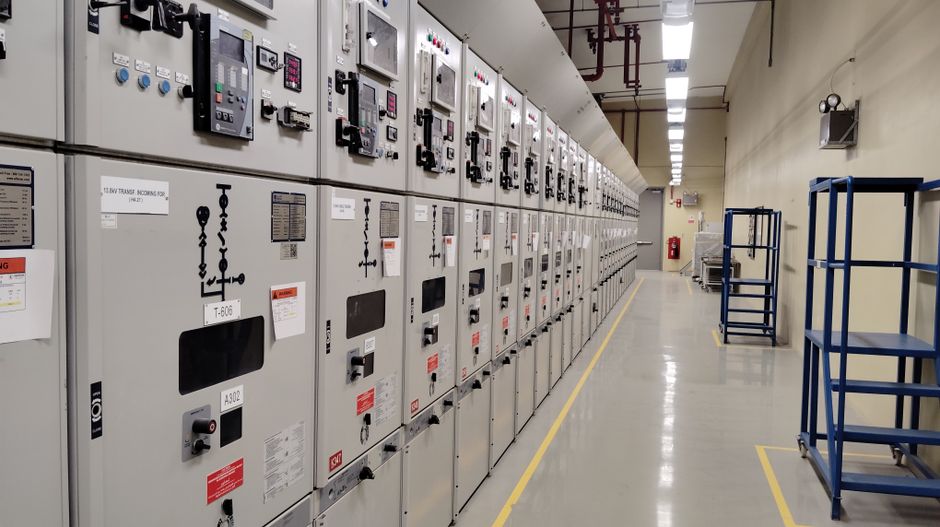
Leading electrical consumables companies are aggressively pursuing acquisitions to expand their product portfolios and geographical reach. For instance, in 2023, a top-tier manufacturer acquired a specialized cable accessories firm to strengthen its position in the renewable energy sector. This move not only broadened its product line but also integrated advanced manufacturing capabilities, allowing for faster innovation cycles.
These acquisitions are not just about size; they are strategic plays to capture emerging markets like electric vehicle infrastructure and smart grid technologies. By absorbing niche players with proprietary technologies, large corporations can quickly adapt to changing industry demands without the long R&D timelines. Investors have responded positively, with stock prices of active acquirers seeing a 15-20% uptick post-announcement.
2. R&D Investments in Smart Consumables
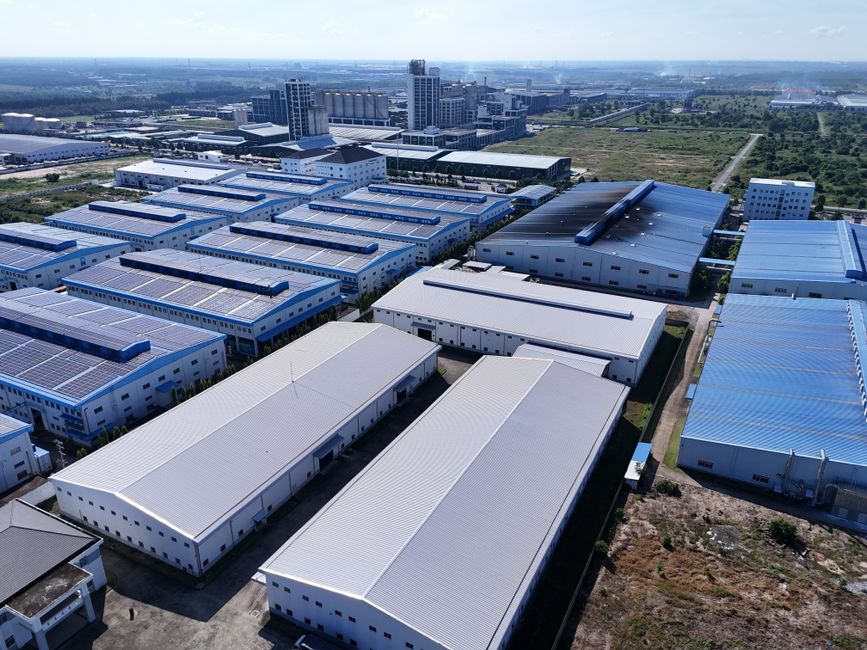
Research and development expenditure among top electrical consumables companies has surged by 25% year-over-year, focusing on smart consumables that integrate IoT capabilities. For example, a leading connector manufacturer recently launched a line of smart plugs that monitor energy usage in real-time and can be controlled via mobile apps. These products are gaining traction in both residential and commercial sectors due to their energy-saving potential.
This R&D push is driven by the need to differentiate in a commoditized market. Companies are embedding sensors and wireless communication modules into basic consumables like circuit breakers and switches. The result is a new category of predictive maintenance tools that alert users before failures occur. Early adopters report a 30% reduction in downtime, making these smart consumables a high-growth segment.
3. Expansion into Emerging Markets
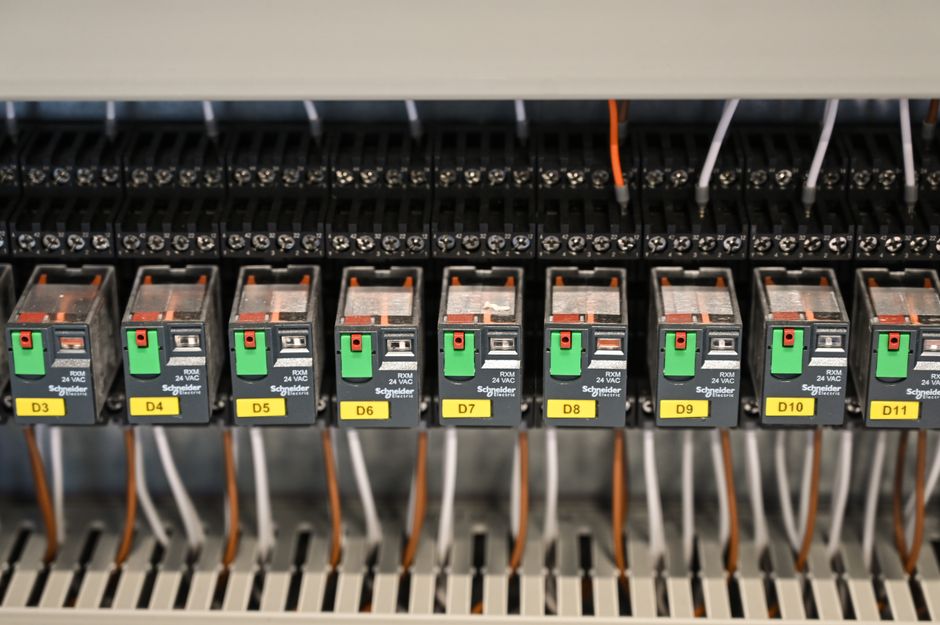
Rapid urbanization in Asia-Pacific and Africa is creating unprecedented demand for electrical consumables. Companies like Legrand and Schneider Electric are establishing local manufacturing plants in India and Vietnam to cater to these markets. These facilities not only reduce logistics costs but also allow for customization to local voltage standards and regulatory requirements.
Local production also helps companies avoid tariffs and trade barriers, which have become more common in recent years. For instance, a new plant in Kenya now supplies the entire East African region, cutting delivery times from 6 weeks to 2 days. This speed-to-market advantage is critical in winning infrastructure projects, where tight deadlines are the norm.
4. Sustainability as a Growth Driver
Environmental regulations and consumer preference are pushing electrical consumables companies to develop eco-friendly products. A recent report from a major industry association shows that sales of halogen-free cables, biodegradable insulation materials, and energy-efficient transformers grew by 40% in 2023. Companies that have embraced sustainability are seeing faster revenue growth than their peers.
For example, a European manufacturer of cable ties now offers a line made from recycled ocean plastics. This product has become a bestseller among construction firms with green building certifications. Additionally, companies are investing in carbon-neutral manufacturing processes, which reduces their operational costs over time through energy savings. These initiatives are not just ethical choices but profitable business strategies.
5. Digital Transformation of Supply Chains
To manage rapid growth, electrical consumables companies are digitizing their supply chains. Advanced analytics and AI are being used to forecast demand more accurately, reducing inventory costs by up to 20%. For instance, a major distributor implemented a blockchain-based system to track products from factory to installation, ensuring authenticity and reducing counterfeiting.
Digital tools are also improving customer experience. Online platforms now offer real-time pricing, stock availability, and technical specifications. Some companies have introduced AR-based apps that allow electricians to visualize how a consumable fits into an existing setup. This digital transformation is enabling faster order processing and better customer retention, with repeat order rates increasing by 15%.
6. Strategic Partnerships with Tech Giants
Collaborations between electrical consumables manufacturers and technology companies are becoming common. For example, a leading switchgear producer partnered with a cloud computing provider to develop a platform that analyzes energy consumption data from smart consumables. This partnership allows the manufacturer to offer value-added services beyond just selling products.
Such alliances also open new revenue streams. In one case, a cable manufacturer co-developed a fire-resistant cable with a materials science company, which is now required by new building codes in several countries. These partnerships accelerate time-to-market for innovative products and help companies stay ahead of regulatory changes.
7. Focus on Aftermarket Services
Recognizing that product margins are shrinking, electrical consumables companies are expanding their aftermarket services. This includes offering installation, maintenance, and repair services for the consumables they sell. A large manufacturer of electrical connectors now provides training programs for electricians, creating a loyal customer base that prefers their brand.
Aftermarket services also provide recurring revenue, which is more stable than one-time product sales. Companies are using data from connected consumables to offer predictive maintenance contracts. For instance, a circuit breaker company now charges a monthly fee for monitoring and replacement services, generating a 30% higher lifetime value per customer compared to traditional sales.
In conclusion, the electrical consumables industry is experiencing rapid growth driven by strategic acquisitions, innovation, and expansion into new markets. Companies that embrace these trends are well-positioned to thrive in the coming years. For businesses in this sector, the key is to stay agile and invest in technologies that enhance efficiency and sustainability.