
1. What is the current state of the electrical equipment industry?
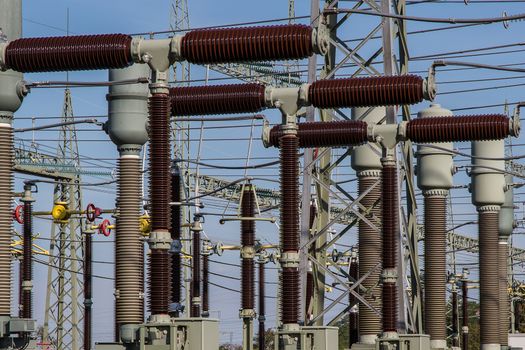
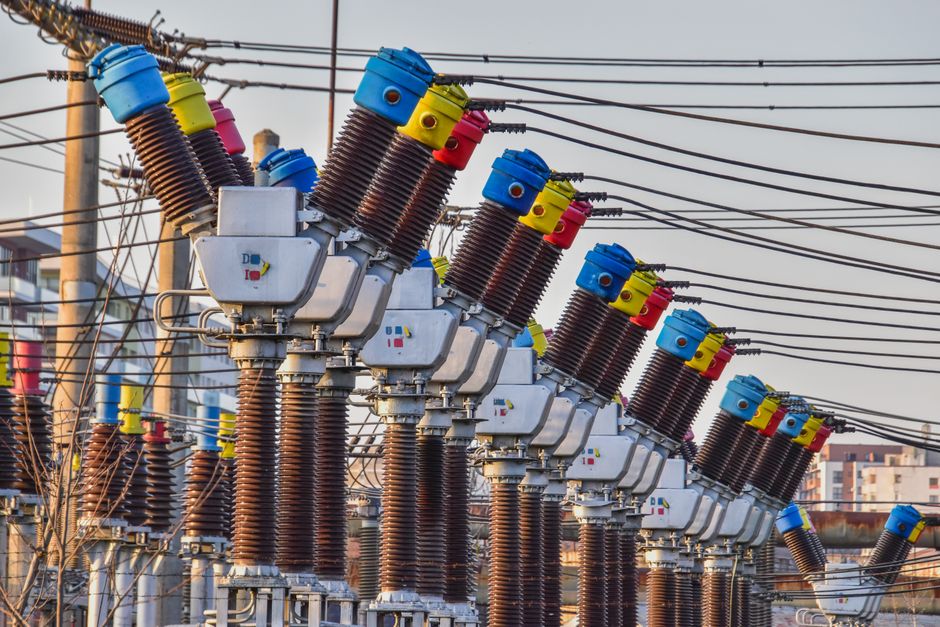
The electrical equipment industry is experiencing robust growth driven by global trends such as renewable energy adoption, smart grid expansion, and industrial automation. The market is projected to reach $1.2 trillion by 2027, with a CAGR of 6.5%. Key sectors include power generation, transmission, distribution, and industrial control systems. Innovations in energy efficiency and digitalization are reshaping manufacturing processes.
However, supply chain disruptions and raw material price volatility pose challenges. The industry is responding with localized production and strategic partnerships. Sustainability and circular economy principles are becoming central to product development.
2. How do tariffs and trade policies affect electrical equipment costs?
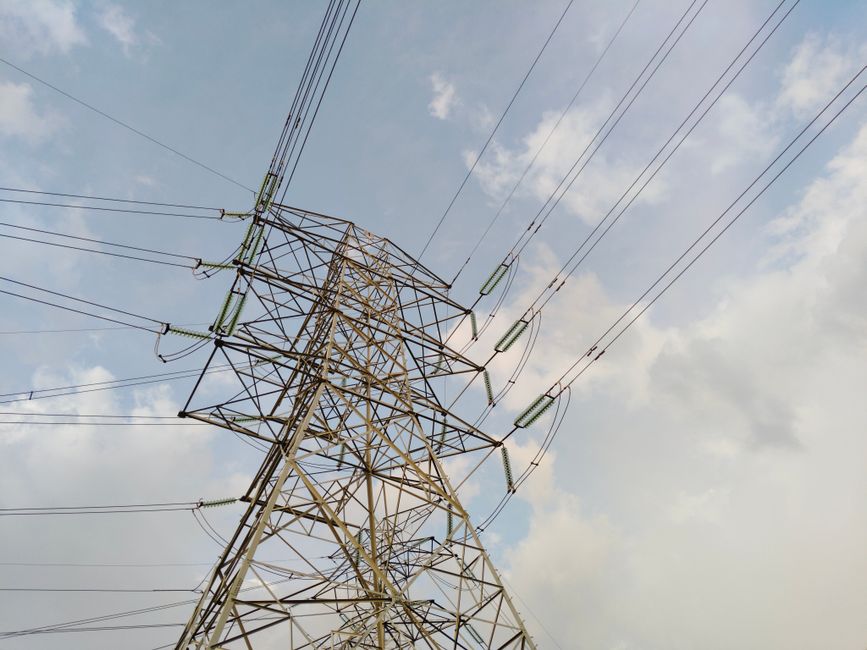
Tariffs on imported steel and aluminum significantly impact electrical equipment prices. For example, US Section 232 tariffs increased costs by 10-25% for transformers and switchgear. This leads to higher project costs and delayed investments. Companies are diversifying suppliers and exploring domestic sourcing.
Trade agreements like USMCA and EU-Japan EPA help reduce barriers, but geopolitical tensions create uncertainty. Industry experts recommend monitoring policy changes and adjusting procurement strategies accordingly.
3. What are the latest technological advancements in electrical equipment?
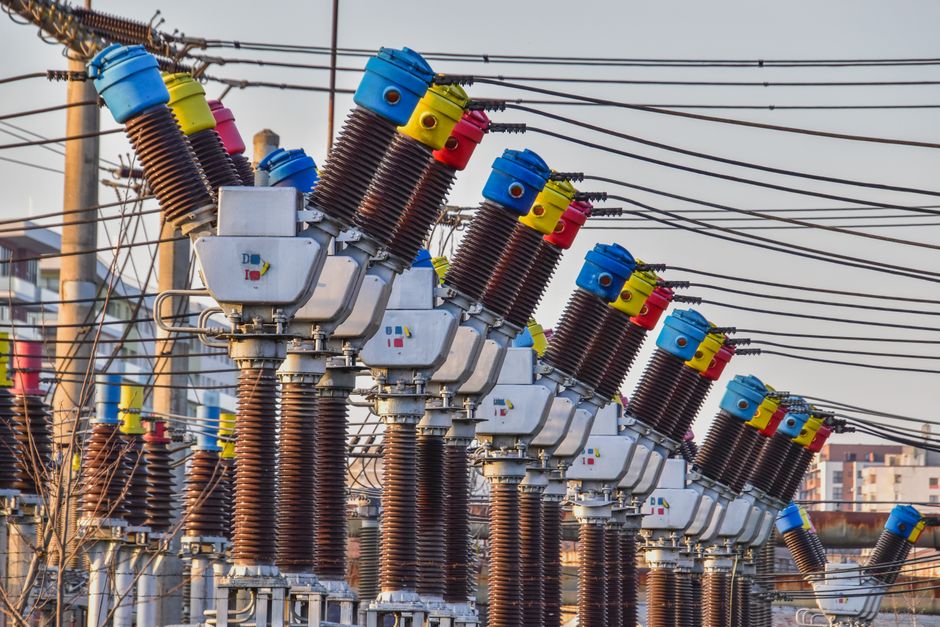
Smart grid technologies, including IoT-enabled sensors and advanced metering infrastructure, are revolutionizing energy management. Solid-state transformers and wide-bandgap semiconductors improve efficiency and reliability. Additionally, digital twins and AI-driven predictive maintenance reduce downtime.
Wireless power transfer and energy storage systems are emerging trends. The adoption of 5G in industrial settings enables real-time data exchange for smarter control. These innovations are critical for the energy transition.
4. How is the industry addressing sustainability and environmental regulations?
Manufacturers are adopting eco-design principles, using recyclable materials, and reducing hazardous substances. Regulations like the EU Ecodesign Directive push for lower standby power consumption and improved lifecycle performance. Companies are also investing in carbon-neutral production processes.
Energy-efficient motors and variable frequency drives are becoming standard. The shift to SF6-free switchgear and biodegradable insulating oils reduces environmental impact. Compliance with RoHS and WEEE directives is mandatory for market access.
5. What are the key market trends for electrical consumables?
Demand for electrical consumables like cables, connectors, and circuit breakers is rising with construction and infrastructure projects. The trend towards miniaturization and higher power density drives innovation in connectors and wiring accessories. Smart fuses and surge protectors with IoT capabilities are gaining traction.
Online distribution channels are expanding, offering wider product ranges and competitive pricing. However, counterfeit products remain a concern, emphasizing the need for certified suppliers.
6. How do global supply chain disruptions impact electrical equipment availability?
Shortages of semiconductors and raw materials like copper and aluminum have led to extended lead times for transformers, switchgear, and controllers. The pandemic exacerbated labor shortages and logistics bottlenecks. Companies are building buffer stocks and diversifying suppliers.
Regionalization of supply chains is accelerating. Near-shoring and vertical integration help mitigate risks. Digital supply chain tools improve visibility and agility.
7. What are the major challenges in electrical equipment installation and maintenance?
Complexity of modern systems requires skilled technicians. The aging workforce and skills gap pose challenges. Safety concerns, especially with high-voltage equipment, demand rigorous training and compliance with standards like NFPA 70E.
Predictive maintenance using data analytics reduces unplanned downtime. However, initial investment costs and cybersecurity risks for connected equipment are barriers. Regular audits and updates are essential.
8. How can companies stay updated with electrical equipment industry news?
Subscribe to specialized publications like Electrical Engineering Portal, IEEE Spectrum, and industry journals. Attend trade shows such as Hannover Messe and CIGRE. Follow regulatory bodies like IEC and NEMA for standard updates.
Utilize online forums and professional networks like LinkedIn groups. Set up Google Alerts for keywords like 'electrical equipment trends' or 'energy storage news'. Partner with industry analysts for tailored insights.
9. What is the outlook for the electrical equipment industry in the next five years?
The industry will continue to grow, driven by electrification of transport, renewable energy integration, and smart city projects. Investment in grid modernization and energy storage is expected to surge. Digitalization and AI will optimize operations.
Challenges include cybersecurity threats and regulatory compliance. Companies that innovate and adapt to sustainability will thrive. Collaboration across the value chain will be key to overcoming hurdles.