
1. Smart Grid Integration and IoT-Enabled Monitoring
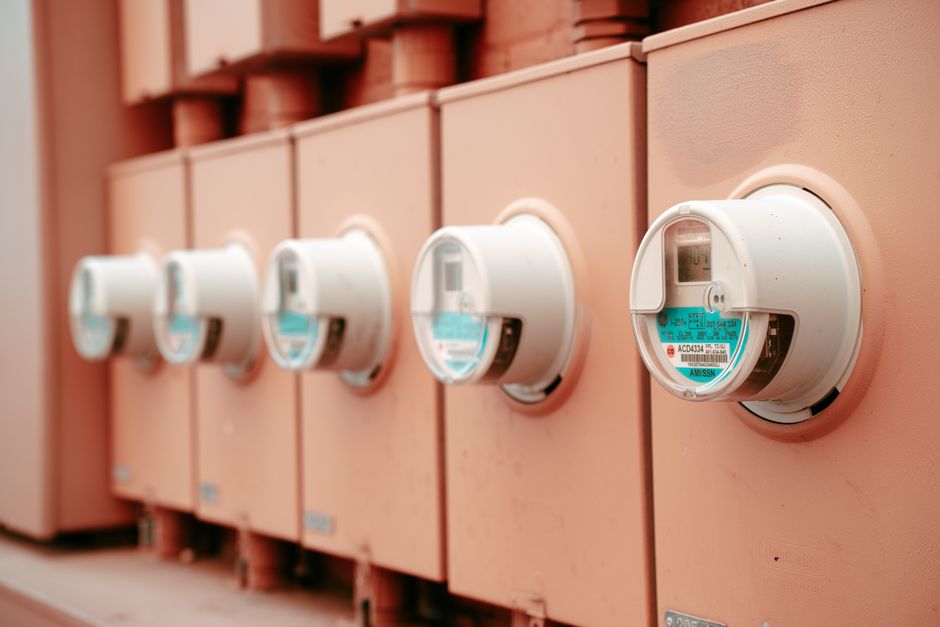
Top electrical equipment companies are revolutionizing energy management through smart grid integration. By embedding IoT sensors into switchgears, transformers, and distribution panels, they enable real-time monitoring of power flow, load balancing, and predictive maintenance. For instance, Schneider Electric's EcoStruxure platform uses edge computing to analyze data from thousands of devices, reducing downtime by up to 30%.
These innovations allow utilities and industrial facilities to optimize energy consumption, detect faults before they cause outages, and seamlessly integrate renewable sources like solar and wind. The result is a more resilient, efficient grid that adapts to fluctuating demand while lowering operational costs.
2. Next-Generation Circuit Breakers with Arc Fault Detection
Modern circuit breakers from leading manufacturers like Siemens and ABB now incorporate advanced arc fault detection technology. Unlike traditional breakers that only respond to overcurrent, these devices use microprocessors to analyze electrical waveforms and distinguish between harmless arcs (e.g., from motor brushes) and dangerous arc faults caused by damaged wiring.
This innovation significantly reduces the risk of electrical fires in residential and commercial buildings. For example, Siemens' Arc Fault Detection Circuit Breakers (AFDDs) can interrupt a fault in milliseconds, providing a critical safety layer. Additionally, these breakers communicate with building management systems to provide alerts and data for preventive maintenance.
3. High-Efficiency Transformers Using Amorphous Metal Cores
Transformer technology has taken a leap forward with the adoption of amorphous metal cores. Companies like Hitachi Energy and Toshiba are producing distribution transformers that reduce core losses by up to 70% compared to conventional silicon steel cores. This is achieved by using a rapidly solidified metal alloy with a non-crystalline structure that magnetizes and demagnetizes with minimal energy loss.
These eco-friendly transformers not only cut electricity waste but also have a longer lifespan and run cooler, reducing the need for cooling systems. Utilities worldwide are replacing older transformers with amorphous metal models to meet stricter energy efficiency regulations and lower carbon footprints.
4. Modular and Scalable UPS Systems for Data Centers
With the explosion of data centers, top companies like Eaton and APC (Schneider Electric) have introduced modular uninterruptible power supplies (UPS) that can be scaled according to demand. These systems consist of multiple power modules that can be added or replaced without shutting down the entire unit, ensuring 99.9999% availability.
For instance, Eaton's 93PS UPS uses hot-swappable batteries and power modules, allowing data center managers to increase capacity as needed. Advanced lithium-ion batteries now offer twice the lifespan of traditional VRLA batteries, while integrated software provides predictive analytics to prevent failures. This modular approach reduces upfront costs and improves energy efficiency by matching power capacity to actual load.
5. Wireless Charging Systems for Electric Vehicles
Leading electrical equipment firms are pushing the boundaries of wireless power transfer for electric vehicles (EVs). Companies like WiTricity and Bosch are developing resonant inductive charging systems that can deliver 11 kW or more with over 90% efficiency. Drivers simply park over a charging pad embedded in the ground, and the system automatically aligns and begins charging without cables.
These systems are being integrated into public parking lots, taxi stands, and even roads (dynamic charging). The technology relies on magnetic resonance between a transmitting coil in the pad and a receiving coil in the vehicle. This innovation eliminates the hassle of plugging in, reduces wear on connectors, and enables autonomous charging for self-driving cars.
6. Advanced Energy Storage Solutions with AI Optimization
Energy storage is a key focus, with companies like Tesla and LG Chem unveiling intelligent battery systems that use artificial intelligence to optimize charge/discharge cycles. These systems learn from usage patterns, weather forecasts, and electricity prices to store energy when it's cheap and release it during peak demand, maximizing savings for homeowners and businesses.
For example, Tesla's Powerwall 3 integrates a built-in inverter and smart software that can manage solar self-consumption, backup power, and time-based control. AI algorithms also extend battery life by preventing deep discharges and overheating. These smart storage solutions are crucial for stabilizing grids with high renewable penetration and reducing reliance on fossil fuel peaker plants.
7. Eco-Design and Sustainable Manufacturing Practices
Environmental responsibility is driving innovation in product design and manufacturing. Top electrical equipment companies are adopting circular economy principles, using recycled materials, and designing for easy disassembly. For instance, ABB's EcoSolutions label certifies products that meet strict environmental criteria, including reduced hazardous substances and lower energy consumption.
Schneider Electric's Green Premium program ensures compliance with RoHS and REACH regulations, while also providing environmental data for each product. Manufacturers are also investing in renewable energy for their factories and implementing closed-loop recycling for metals and plastics. These efforts not only reduce environmental impact but also appeal to eco-conscious customers and help companies meet sustainability targets.