
1. Siemens AG: Digitalizing the Grid for a Sustainable Future
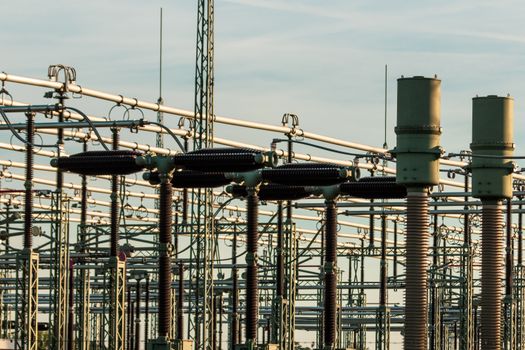
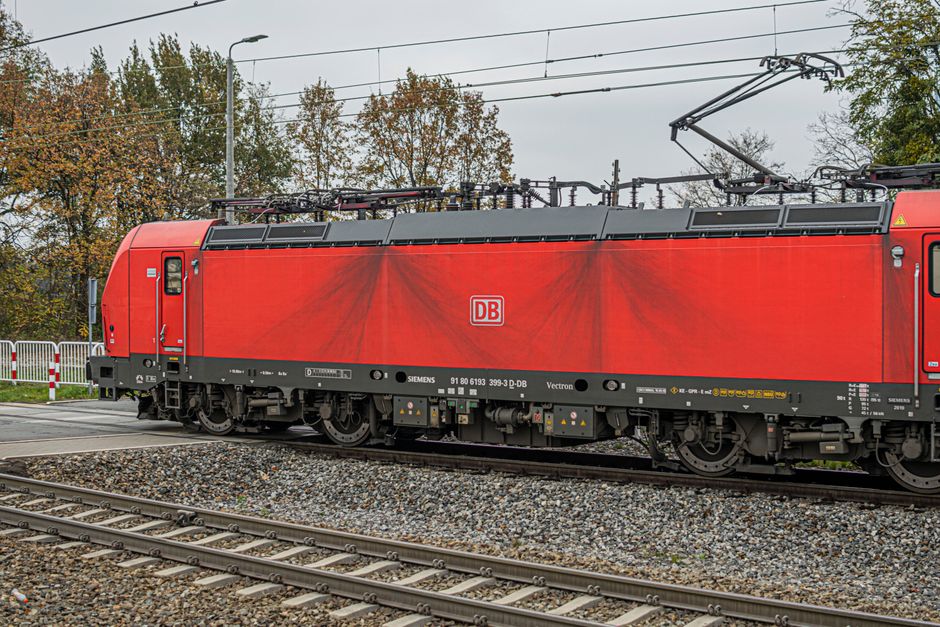
Siemens has been making headlines with its aggressive push into grid digitalization. The company's latest quarterly report revealed a 15% increase in revenue from its Smart Infrastructure division, driven by demand for energy-efficient solutions. Siemens is investing heavily in IoT-enabled grid management systems that allow utilities to monitor and control power distribution in real time, reducing outages and integrating renewable energy sources seamlessly.
For investors, Siemens represents a stable bet on the electrification megatrend. The company's strong R&D pipeline includes solid-state transformers and advanced metering infrastructure. With a dividend yield of 2.8% and a price-to-earnings ratio of 18, Siemens offers both growth and income. Keep an eye on their upcoming investor day, where they are expected to announce a new partnership with a major European utility.

2. ABB Ltd: Electrification Products Driving Margin Expansion
ABB's Electrification Products segment has been a standout performer, with operating margins expanding to 17.5% in the last quarter. The company's focus on high-growth areas like electric vehicle charging infrastructure and data center power distribution is paying off. ABB recently secured a contract to supply charging stations for a major US electric truck fleet, signaling strong demand in the commercial EV space.
Investors should note ABB's disciplined capital allocation. The company completed a $1.5 billion share buyback program and increased its dividend by 10%. With a strong balance sheet and a clear strategy to divest non-core businesses, ABB is positioned for sustainable growth. The stock's current valuation of 19 times earnings is attractive given its exposure to secular trends like urbanization and renewable energy.
3. Schneider Electric: Software-Enabled Energy Management
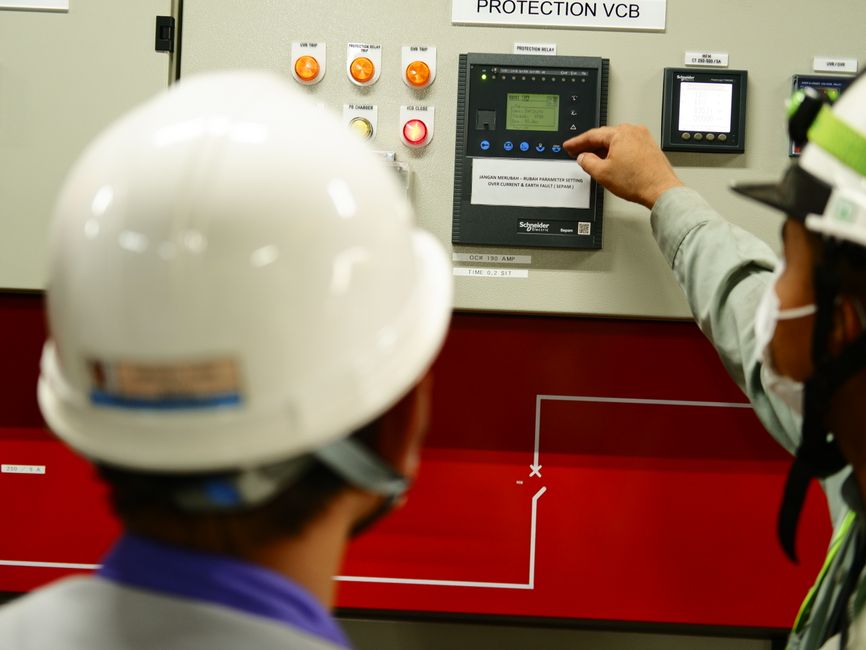
Schneider Electric is transforming from a hardware supplier into a software-centric energy management company. Its EcoStruxure platform now manages over 1 million connected devices worldwide, providing real-time energy analytics to commercial buildings and industrial plants. The company's recent acquisition of a leading building automation software firm has strengthened its digital offerings.
Financially, Schneider delivered 8% organic revenue growth in its Energy Management division, with recurring software revenue now accounting for 15% of total sales. The company's commitment to sustainability, including a target to become carbon neutral by 2025, resonates with ESG-focused investors. With a forward P/E of 22, Schneider trades at a premium, but its high-margin software business justifies the valuation.
4. Eaton Corporation: Powering the Data Center Boom
Eaton's electrical segment has been a direct beneficiary of the data center construction boom. The company reported a 12% increase in orders for uninterruptible power supplies (UPS) and power distribution units, as hyperscale cloud providers expand their infrastructure. Eaton's new 3-phase UPS series offers 99% efficiency, a key selling point for energy-conscious data center operators.
Investors should watch Eaton's exposure to the industrial sector, which accounts for 40% of its electrical revenue. While data centers provide growth, industrial demand is cyclical. However, Eaton's strong cash flow generation (free cash flow yield of 4.5%) supports a 2.2% dividend yield. The stock's relative strength index suggests it is not overbought, making it a potential accumulation opportunity.
5. Vertiv Holdings: Critical Infrastructure for a Digital World
Vertiv has emerged as a pure-play on critical digital infrastructure, specializing in power and cooling solutions for data centers and communication networks. The company's recent earnings beat estimates, with revenue up 18% year-over-year, driven by strong demand for thermal management products. Vertiv's backlog hit a record $4.3 billion, indicating robust future revenue visibility.
For investors, Vertiv offers high growth potential but with higher risk. The company carries net debt of $2.8 billion, though it is actively deleveraging. Its innovative offerings, such as liquid cooling for high-performance computing, position it well for the AI era. With a forward P/E of 25, Vertiv is priced for growth, but its market share gains in the thermal management space could justify the premium.
6. Legrand SA: Wiring Devices and Smart Home Growth
Legrand, a global specialist in electrical wiring devices and smart home systems, reported a 9% increase in sales last quarter, with strong performance in North America and Asia. The company's Eliot IoT-enabled wiring devices allow homeowners to control lighting, blinds, and energy usage via smartphone apps. Legrand's acquisition of a leading smart plug manufacturer has expanded its product portfolio.
Legrand's business model is resilient, with 60% of revenue coming from renovation and replacement markets. The company has a track record of consistent dividend growth (25 consecutive years) and a low beta of 0.9, making it a defensive choice. However, exposure to the construction cycle is a risk. Current valuation at 20 times earnings is reasonable for a company with steady mid-single-digit organic growth.
7. Nidec Corporation: Motor Manufacturer with EV Ambitions
Nidec, the world's largest electric motor manufacturer, is betting big on electric vehicle traction motors. The company's recent announcement of a new factory in Mexico to supply EV motors to North American automakers has boosted investor sentiment. Nidec's motor business generated $4.5 billion in revenue last year, with the automotive segment growing 25%.
Investors should be aware of Nidec's exposure to the volatile EV market. Competition from Chinese rivals is intensifying, and the company's profit margins have been under pressure due to rising raw material costs. However, Nidec's technological leadership in brushless DC motors and its strong balance sheet (debt-to-equity of 0.3) provide a buffer. The stock's forward P/E of 28 reflects high growth expectations but also risk.
8. Prysmian Group: Cable Maker Riding the Energy Transition
Prysmian, the world's largest cable manufacturer, is benefiting from the expansion of offshore wind farms and grid interconnection projects. The company's order book for submarine cables and systems reached €6.5 billion, a record high. Prysmian recently secured a €1.2 billion contract to supply cables for a major offshore wind project in the North Sea.
For investors, Prysmian offers direct exposure to the energy transition. The company's adjusted EBITDA margin improved to 12.5% last year, driven by operational efficiencies. However, the business is capital-intensive and sensitive to copper prices. With a dividend yield of 1.8% and a forward P/E of 15, Prysmian is a value play compared to some high-growth electrical peers.
9. Leviton Manufacturing: Family-Owned Innovator in Wiring Devices
Leviton, a privately held company, does not report public financials, but its industry influence is significant. The company recently launched a new line of USB-C wall outlets and smart switches compatible with major home automation platforms. Leviton's commitment to quality and innovation makes it a key player to watch, especially for trends in residential electrical products.
Since Leviton is private, investors can gain indirect exposure through its suppliers and distributors. For example, Home Depot and Lowe's are major retailers of Leviton products. Monitoring Leviton's product launches and partnerships can provide insights into consumer preferences and technological shifts in the electrical industry.
10. Hitachi Energy: Power Grid Solutions for a Decarbonized World
Hitachi Energy, formerly Hitachi ABB Power Grids, is focused on high-voltage transmission technology. The company's recent breakthrough in hybrid HVDC (high-voltage direct current) systems allows efficient long-distance power transmission, crucial for connecting remote renewable energy sources to urban centers. Hitachi Energy's order intake grew 20% last quarter, with strong demand from Asia and Europe.
Investors should consider Hitachi Energy's parent company, Hitachi Ltd, which trades on the Tokyo Stock Exchange. Hitachi's energy segment contributes about 25% of total revenue and is growing faster than other divisions. With a focus on grid modernization and electrification, Hitachi Energy is well-positioned for long-term growth. The parent company's forward P/E of 14 offers a reasonable entry point for exposure to the power grid theme.