
 English
 简体中文
简体中文 Русский
 Español
 لالعربية
Baby cloth doll toys are more than just cute companions. They are powerful tools that support a baby's early development in ways that plastic, electronic, or screen-based toys simply cannot match. From the moment a baby first grasps a soft fabric doll, a world of sensory, emotional, and cognitive growth begins. In this article, we explore seven key benefits of baby cloth doll toys and explain why they deserve a place in every nursery.
1. They Stimulate Sensory Development
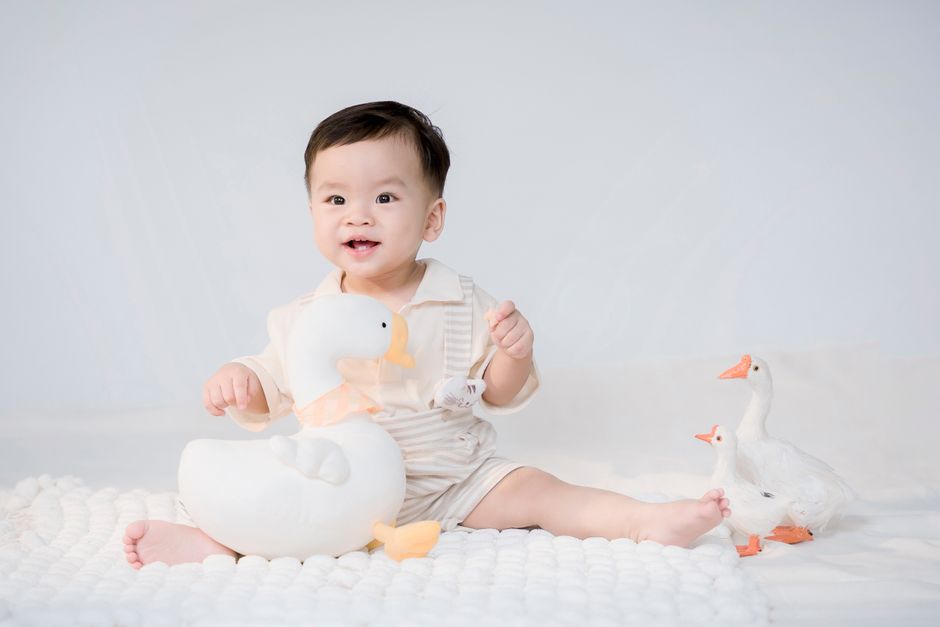
Babies learn about the world primarily through their senses. A cloth doll offers a rich variety of textures—soft cotton, fuzzy fleece, smooth satin, or crinkly fabric—that encourage tactile exploration. When a baby squeezes, pats, or rubs the doll, they are building important neural connections related to touch and texture discrimination.
Many cloth dolls also include features like embroidered faces, attached ribbons, or gentle rattles. These elements provide visual and auditory stimulation without overstimulating a young nervous system. Unlike flashing electronic toys, a cloth doll engages the senses in a calm, natural way that supports focused attention.
Parents can enhance this benefit by choosing dolls with high-contrast patterns for newborns and more detailed designs for older babies. Rotating different cloth dolls keeps sensory experiences fresh and interesting.
2. They Promote Fine Motor Skill Development
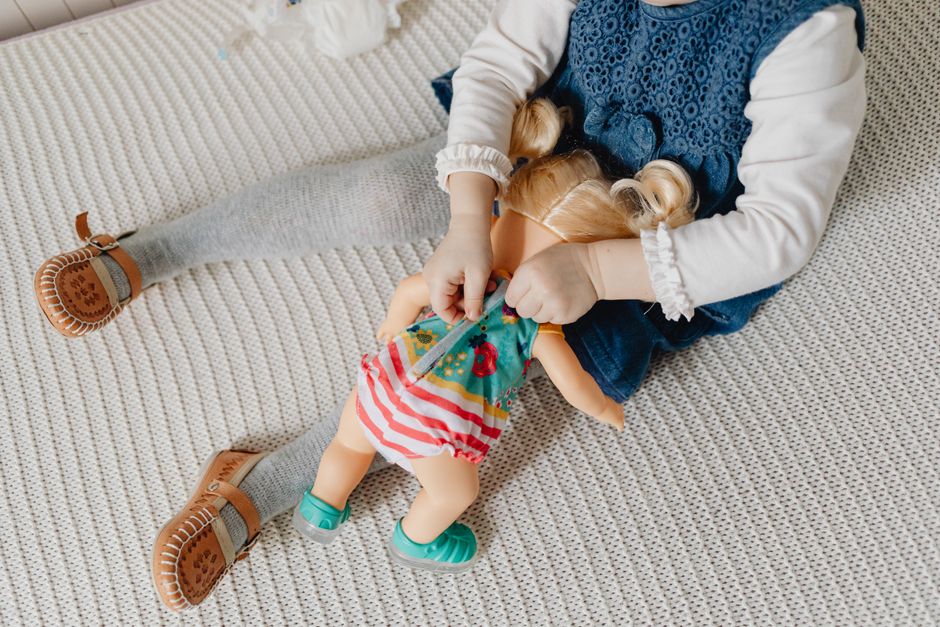
Grasping, holding, and manipulating a cloth doll requires a surprising amount of coordination for a baby. The soft, lightweight body of a fabric doll is easy for tiny hands to grip, which builds confidence and encourages repeated practice. As babies grow, they begin to transfer the doll from one hand to the other, improving bilateral coordination.
Cloth dolls with removable accessories, such as hats, shoes, or small blankets, add another layer of motor challenge. Fastening Velcro, pulling on a ribbon, or tucking a doll into a pretend bed all strengthen the pincer grasp and hand-eye coordination that later support writing and self-care skills.
Because cloth dolls are safe and forgiving, babies can practice these movements without frustration. This positive feedback loop motivates them to keep trying, which is essential for motor development.

3. They Support Emotional Security and Attachment
A cloth doll often becomes a baby's first transitional object—a comforting companion that provides a sense of security when parents are not immediately available. The soft, huggable nature of fabric makes it ideal for cuddling, and the familiar smell and feel can soothe a distressed baby.
This emotional attachment is a healthy part of development. It helps babies learn to self-regulate and manage separation anxiety. Over time, the doll becomes a trusted friend during bedtime, travel, or new experiences, reducing stress and promoting resilience.
Parents can encourage this bond by including the doll in daily routines, such as feeding, reading, and naptime. Consistency helps the doll become a reliable source of comfort.
4. They Encourage Pretend Play and Imagination
Even before babies can speak, they begin to engage in simple pretend play with cloth dolls. They may offer the doll a bottle, rock it to sleep, or cover it with a blanket. These early role-playing behaviors are the foundation of imagination and symbolic thinking.
As toddlers grow, the cloth doll becomes a character in increasingly complex stories. This type of play supports language development, narrative skills, and social understanding. Children practice empathy by caring for the doll and learn to negotiate roles when playing with others.
Cloth dolls are particularly well-suited for pretend play because they are open-ended. A simple fabric doll can be a baby, a friend, a patient, or an explorer—limited only by the child's imagination.
5. They Are Safe and Hypoallergenic
Safety is a top concern for parents, and cloth dolls are among the safest toys available. They have no sharp edges, no small batteries, and no hard plastic parts that can break. This makes them ideal for babies who explore everything with their mouths.
High-quality cloth dolls are often made from natural fibers like cotton or bamboo, which are hypoallergenic and gentle on sensitive skin. They are typically machine washable, so parents can easily keep them clean and free from dust mites or allergens.
When choosing a cloth doll, look for products with embroidered or securely stitched features rather than loose buttons or beads. This ensures that the doll remains safe even with heavy use.
6. They Foster Language and Communication Skills
Cloth dolls provide excellent opportunities for language-rich interaction. Parents naturally talk to their babies about the doll—naming its body parts, describing its clothes, and narrating actions like "Let's feed the dolly." This back-and-forth communication exposes babies to new vocabulary and sentence structures.
As babies begin to babble and speak, the doll becomes a conversation partner. Children often talk to their dolls, which builds confidence in verbal expression. They may also imitate adult speech patterns, practicing intonation and social phrases.
Research shows that conversational turns between caregiver and child are critical for language development. A cloth doll serves as a natural focal point for these interactions, making language learning playful and engaging.
7. They Promote Independent Play and Focus
In a world filled with noisy, battery-operated toys, cloth dolls encourage calm, independent play. Because they do not light up or make sounds, babies must actively engage their own imagination and attention. This fosters longer attention spans and the ability to focus on a single activity.
Independent play with a cloth doll also builds problem-solving skills. A baby might try to fit the doll into a box, arrange it with other toys, or figure out how to put on its hat. These small challenges promote persistence and creative thinking.
Parents can support independent play by providing a quiet, safe space and a few simple cloth dolls. Avoiding overstimulation helps babies develop the capacity for deep, sustained play—a skill that benefits them throughout childhood.
Conclusion
Baby cloth doll toys offer a remarkable range of developmental benefits, from sensory exploration and motor skills to emotional security and language growth. They are safe, versatile, and timeless. By choosing a well-made cloth doll and incorporating it into daily routines, parents can give their baby a trusted companion that supports learning at every stage. Whether it's a first grasp or a first pretend tea party, a cloth doll is a wise investment in early development.
Ask us anything about design, materials, safety or shipping — we answer personally.