
 English
 简体中文
简体中文 Русский
 Español
 لالعربية
Why Proper Care Matters for Baby Cloth Doll Toys
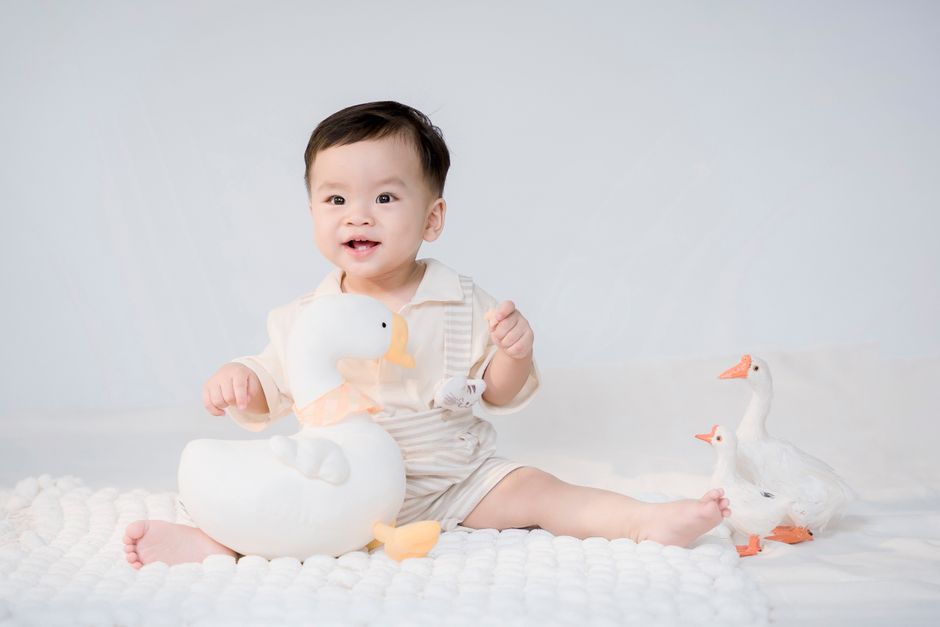
Baby cloth doll toys are more than just playthings; they are cherished companions that provide comfort, security, and endless hours of imaginative play. Because they are made from soft fabrics, they can easily accumulate dirt, dust, and germs, especially when they are loved to pieces. Proper cleaning and maintenance not only keep the doll looking adorable but also ensure it remains safe and hygienic for your little one. In this comprehensive guide, we'll walk you through everything you need to know about caring for your baby's cloth doll toy, from routine cleaning to stain removal and long-term storage.
Understanding Your Baby Cloth Doll Toy
Before you start cleaning, it's essential to understand what your doll is made of. Most baby cloth dolls are constructed from a variety of materials, each requiring different care:
- Fabric body: Typically cotton, fleece, or plush materials. These can usually be hand washed or machine washed on gentle cycles.
- Embroidered features: Eyes, nose, and mouth are often embroidered, which is safer for babies but can be delicate. Avoid scrubbing these areas harshly.
- Plastic or vinyl parts: Some dolls have plastic heads, hands, or feet. These may need spot cleaning only.
- Clothing and accessories: Removable outfits should be washed separately according to their fabric care labels.
- Electronic components: If your doll has a sound box or battery pack, it is usually not washable and must be removed or avoided during cleaning.
Always check for a care label or manufacturer's instructions before proceeding. If none exist, use the gentlest method possible.
Routine Cleaning: Keeping Dust and Dander at Bay
Regular maintenance can prevent deep-set dirt and reduce the need for frequent washing, which can wear out the fabric. Here's how to keep your doll fresh between washes:
Surface Cleaning
For light dust and everyday grime, a simple surface clean is often enough. Use a soft, dry microfiber cloth to gently wipe down the doll. For a deeper clean, slightly dampen the cloth with a mixture of mild soap and water, wring it out well, and wipe the doll's surface. Avoid getting the doll too wet, especially if it has electronic parts.
Brushing and Fluffing
If your doll has plush hair or fur, use a soft-bristled brush (like a baby hairbrush) to gently remove dust and untangle fibers. This also helps maintain the doll's soft, cuddly texture. For yarn hair, use a wide-tooth comb to smooth out tangles.
Odor Control
Sometimes dolls can develop a musty smell from being stored or from frequent handling. To freshen them up without washing, sprinkle baking soda over the doll, let it sit for 15-20 minutes, then brush or vacuum it off using a vacuum with a brush attachment on low suction. Alternatively, place the doll in a sealed bag with a few dryer sheets for a day or two.
Deep Cleaning: Hand Washing vs. Machine Washing
When your doll needs a thorough clean, you have two main options: hand washing or machine washing. The choice depends on the doll's construction and your comfort level.
Hand Washing: The Safest Method
Hand washing is the gentlest way to clean a baby cloth doll, especially if it has delicate features or mixed materials. Here's a step-by-step guide:
- Remove clothing and accessories: If the outfit is removable, take it off and wash it separately.
- Pre-treat stains: Apply a small amount of gentle stain remover or dish soap to any spots and let it sit for a few minutes.
- Fill a basin with lukewarm water: Add a small amount of mild laundry detergent or baby-safe soap. Avoid harsh chemicals or bleach.
- Submerge and gently agitate: Place the doll in the water and gently squeeze it to allow the soapy water to penetrate the fabric. Do not scrub vigorously.
- Rinse thoroughly: Drain the soapy water and refill with clean, cool water. Rinse the doll until no soap remains. You may need to repeat this several times.
- Remove excess water: Gently squeeze the doll (do not wring or twist) and roll it in a clean, dry towel to absorb more moisture.
- Air dry: Reshape the doll and lay it flat on a drying rack or hang it in a well-ventilated area away from direct sunlight or heat. Turn it occasionally to ensure even drying.
Machine Washing: Convenient but Risky
Some cloth dolls can be machine washed, but only if the care label permits it. Always use a gentle cycle with cold water and a mild detergent. Place the doll inside a pillowcase or a mesh laundry bag to protect it from agitation. Avoid fabric softeners, which can leave residue. After washing, tumble dry on low heat or air dry. Never machine wash dolls with electronic components or those with glued-on decorations.
Spot Cleaning: For Quick Fixes
For small stains or spills, spot cleaning is the way to go. Use a clean cloth dampened with a mixture of water and mild soap. Blot the stain gently from the outside in to prevent spreading. Rinse with a clean damp cloth and blot dry. For stubborn stains, a soft-bristled toothbrush can help work the soap into the fabric without damaging it.
Stain Removal Guide: Tackling Common Messes
Babies and toddlers are messy, and their dolls often bear the brunt of it. Here's how to handle common stains:
| Stain Type | Cleaning Method |
|---|---|
| Food and drink | Blot with a damp cloth, then apply a small amount of dish soap. Rinse and air dry. |
| Marker or crayon | Use rubbing alcohol on a cotton ball. Dab gently, then wash as usual. |
| Urine or vomit | Rinse with cold water, then wash with an enzyme-based detergent. Air dry in sunlight if possible. |
| Mud | Let the mud dry completely, then brush off. Follow with a spot clean. |
| Grease or oil | Sprinkle cornstarch or baking soda on the stain, let it sit, then brush off. Wash with dish soap. |
Always test any cleaning solution on a small, hidden area first to ensure it doesn't damage the fabric or cause colors to bleed.
Drying Your Baby Cloth Doll Toy
Proper drying is crucial to prevent mold and mildew. After washing, gently squeeze out excess water and roll the doll in a clean towel. Lay it flat on a drying rack, reshaping it to its original form. Avoid hanging by the hair or limbs, as this can stretch the fabric. If using a dryer, choose the lowest heat setting and check frequently. High heat can shrink or melt synthetic fabrics. Air drying is always the safest option.
Maintaining Shape and Softness
Over time, dolls can lose their shape or become matted. To keep your doll looking plush:
- Fluff the doll regularly by gently massaging the stuffing.
- If the stuffing has clumped, you can open a small seam, replace the stuffing with new polyester fiberfill, and stitch it closed.
- For yarn hair, mist with water and comb gently to restore curls or waves.
- Store dolls in a cool, dry place away from direct sunlight to prevent fading.
Storing Your Baby Cloth Doll Toy
When your doll isn't being played with, proper storage will keep it clean and ready for the next cuddle. Use a breathable cotton bag or a clean pillowcase to protect it from dust. Avoid plastic bags, which can trap moisture and cause mildew. If storing for a long period, place a silica gel packet in the bag to absorb moisture. Keep dolls away from pets and direct sunlight.
When to Replace Your Baby Cloth Doll Toy
Even with the best care, dolls can wear out. Signs it's time to replace include:
- Torn seams that can't be repaired
- Fading or bleeding colors
- Persistent odors that won't go away
- Loose parts that could become choking hazards
- Mold or mildew that can't be removed
If your doll has sentimental value, consider repairing it or repurposing it as a keepsake rather than discarding it.
Safety Tips for Cleaning Baby Cloth Doll Toys
Always prioritize safety when cleaning your baby's doll:
- Use baby-safe, non-toxic cleaning products.
- Ensure the doll is completely dry before giving it back to your baby.
- Check for loose parts or small pieces that could detach during washing.
- Never use bleach or harsh chemicals.
- If the doll has electronic components, remove them before cleaning.
Conclusion
Caring for your baby's cloth doll toy doesn't have to be a chore. With regular maintenance and proper cleaning techniques, you can keep the doll soft, safe, and huggable for years to come. Remember to always check the care label, use gentle methods, and dry thoroughly. By following these tips, you'll ensure that your child's beloved companion remains a source of comfort and joy.
Ask us anything about design, materials, safety or shipping — we answer personally.