
 English
 简体中文
简体中文 Русский
 Español
 لالعربية
1. Why Affordable Baby Cloth Doll Toys Are Worth It
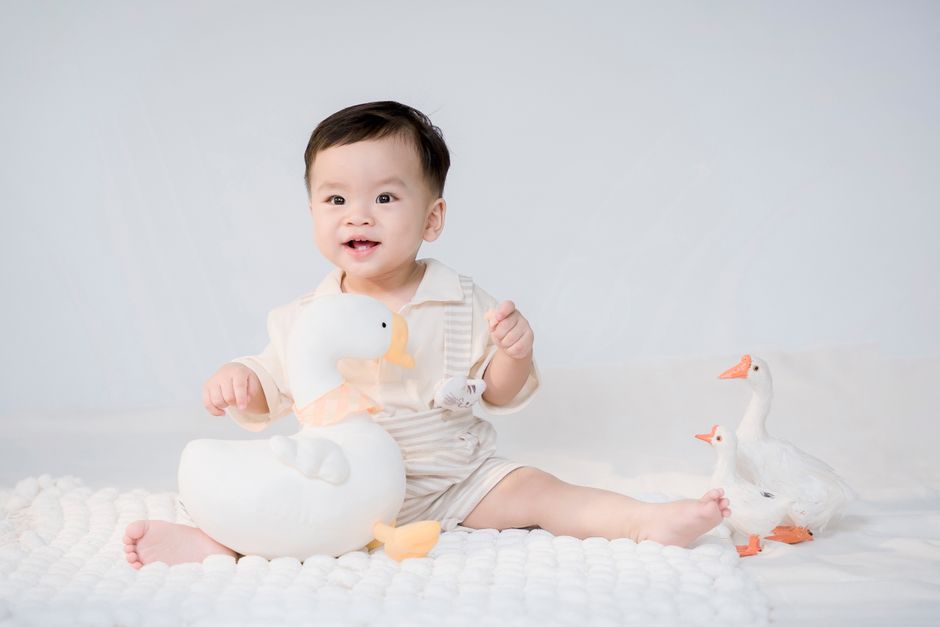
Parents often assume that a low price means low quality, but baby cloth doll toys prove the opposite every single day. Soft fabric dolls are made from cotton, fleece, muslin, or plush blends that are naturally durable, machine washable, and gentle on a newborn's skin. Because the materials themselves are inexpensive to produce, manufacturers can keep prices friendly without cutting corners on safety or comfort.
Unlike hard plastic toys that crack or battery-operated dolls that stop working, a cloth doll has no moving parts to break. That simplicity is exactly what makes it such a smart budget choice. You are paying for fabric, stitching, and safe dyes — not for electronics or packaging gimmicks.
Another advantage is longevity. A well-made cloth doll can survive teething, tummy time, toddler drag-along adventures, and even a few trips through the washing machine. When a toy lasts for years, the cost per use drops dramatically, making it one of the most economical purchases in your nursery.
2. Look for Safe, Baby-Friendly Materials
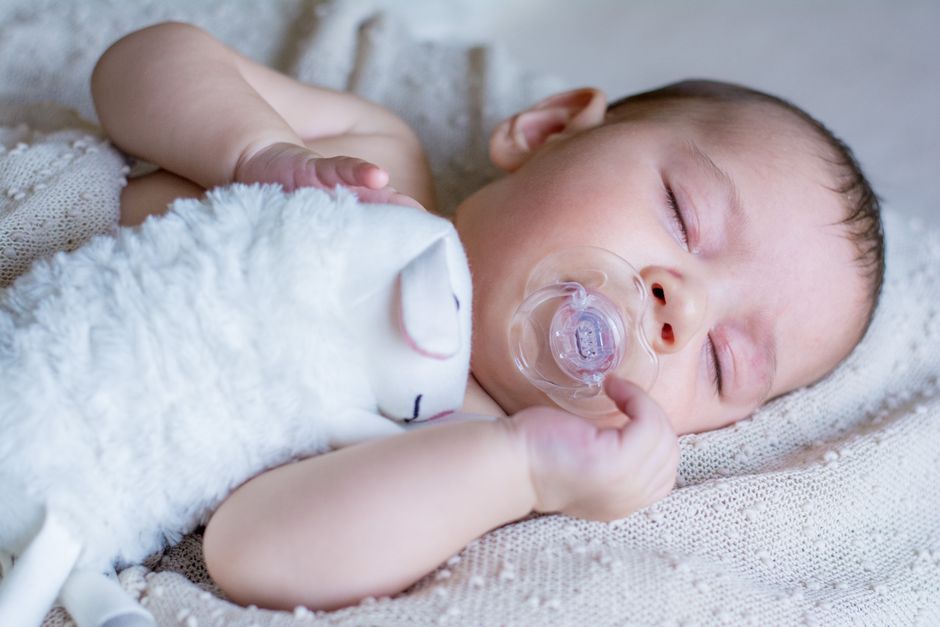
Quality begins with what touches your baby's skin. Choose dolls made from 100% cotton, organic cotton, or OEKO-TEX certified fabrics. These materials breathe well, reduce the risk of irritation, and hold up better after repeated washing than cheap synthetic blends that pill and shed.
Check the stitching carefully. Reinforced seams around the arms, legs, and head prevent stuffing from escaping — a serious choking hazard if your baby likes to chew. Embroidered facial features are safer than plastic eyes or buttons, which can detach and become a swallowing risk.
Also confirm the doll is filled with hypoallergenic polyester fiberfill or cotton batting rather than loose beads or foam crumbs. A simple squeeze test tells you a lot: a quality doll feels evenly stuffed, springs back into shape, and has no hard lumps.
3. Prioritize Machine Washability
Babies spit up, drool, and spill. A cloth doll that cannot be washed quickly becomes a hygiene problem. Before buying, read the care label and look for dolls labeled machine washable on a gentle cycle.
Washable dolls usually cost only slightly more than spot-clean-only versions, and the convenience is enormous. You can toss the doll in with baby laundry, use a mild detergent, and let it air dry. This keeps allergens, dust mites, and bacteria under control.
If you want maximum value, buy two identical affordable dolls. One stays clean while the other is in the wash, and you always have a backup if one gets lost — a common and heartbreaking toddler scenario.
4. Choose Age-Appropriate Designs
For newborns to six months, opt for small, lightweight dolls with no removable parts. A simple knot or loop on top makes them easy for tiny hands to grasp, and soft, flat bodies are perfect for supervised tummy time.
From six to twelve months, babies love textured fabrics, crinkle tags, and squeakers sewn securely inside. These sensory details add play value without adding cost, because they use the same basic fabric construction.
For toddlers, look for larger dolls with removable clothing. Dress-up play supports fine motor skills and imagination, and extra outfits are usually inexpensive. Just make sure any accessories are stitched, not glued, so they stay attached.
5. Compare Stitching and Stuffing Quality
Two dolls can look identical online but differ hugely in construction. Zoom in on product photos and look for double-stitched seams, hidden knots, and tight, even stitching along the outline of the body.
Stuffing quality matters just as much. Cheap dolls sometimes feel underfilled and floppy, or overfilled and stiff. A good cloth doll feels soft but holds its shape, with a head that stays upright and limbs that do not dangle limply.
If you are shopping in person, gently tug on the arms and legs. Quality stitching will not gap or fray, while poor construction will reveal itself immediately. This single test prevents most disappointing purchases.
6. Set a Realistic Budget and Stick to It
You do not need to spend a fortune. Many excellent cloth dolls fall in the $10 to $25 range, and multipacks often bring the per-doll price even lower. Decide on your ceiling before browsing so you are not tempted by unnecessary extras.
Remember that price does not always signal quality. Boutique branding and fancy gift boxes add cost without adding play value. Focus your budget on fabric content, safety certification, and washability instead of packaging.
Seasonal sales, baby registries, and bundle deals are the best times to buy. A little planning can get you two or three quality dolls for the price of one premium-brand toy.
7. Check Certifications and Reviews
Safety certifications such as ASTM F963, EN71, or CPSIA compliance tell you the toy has passed independent testing for small parts, flammability, and harmful substances. These marks are a strong indicator of quality at any price point.
Read reviews from other parents, paying special attention to comments about durability after washing, seam strength, and whether the doll retained its shape. Reviews written after several months of use are far more valuable than first-impression ratings.
Look for patterns rather than isolated complaints. If multiple parents mention the same issue, such as fading colors or loose stitching, take that as a warning sign and choose a different model.
8. Make the Most of Your Purchase
To extend the life of your affordable cloth doll, wash it inside a mesh laundry bag, air dry it away from direct sunlight, and rotate dolls so no single one gets worn out. Repair small seam openings promptly with a needle and thread before they grow.
Encourage gentle play and store dolls in a dry, clean place. With basic care, an inexpensive cloth doll can become a beloved keepsake that lasts through multiple children.
Affordable baby cloth doll toys prove that thoughtful design, safe materials, and solid construction matter far more than a high price tag. Choose wisely, care for them well, and your baby will have a soft, safe, and endlessly huggable companion for years to come.
Ask us anything about design, materials, safety or shipping — we answer personally.