 English
 简体中文
简体中文 Русский
 Español
 Deutsch
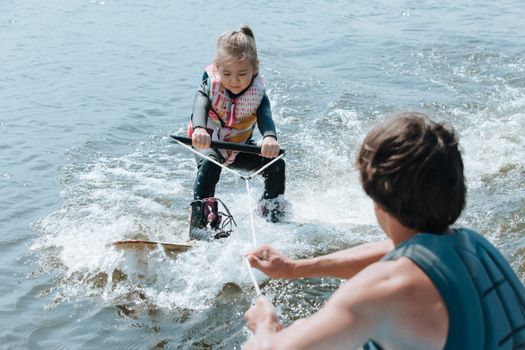
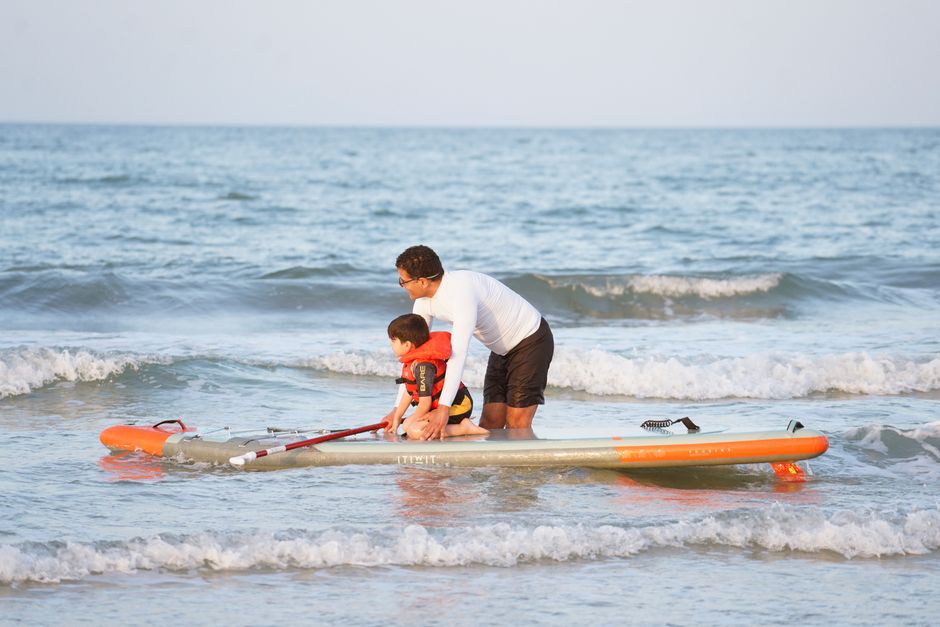
Why Teaching Kids to Wear a Life Jacket Matters
Water safety is one of the most important skills you can pass on to a child. According to drowning prevention organizations, drowning remains a leading cause of unintentional injury-related death for children under 14. A properly fitted life jacket is the single most effective piece of safety equipment for keeping kids safe around water — but only if they actually wear it, and wear it correctly.
Teaching a child to wear a life jacket isn't just about handing them a vest and hoping for the best. It requires age-appropriate instruction, consistent reinforcement, and a positive attitude that makes safety feel like a normal part of every water adventure. This guide walks you through the entire process, from choosing the right jacket to building habits that last a lifetime.
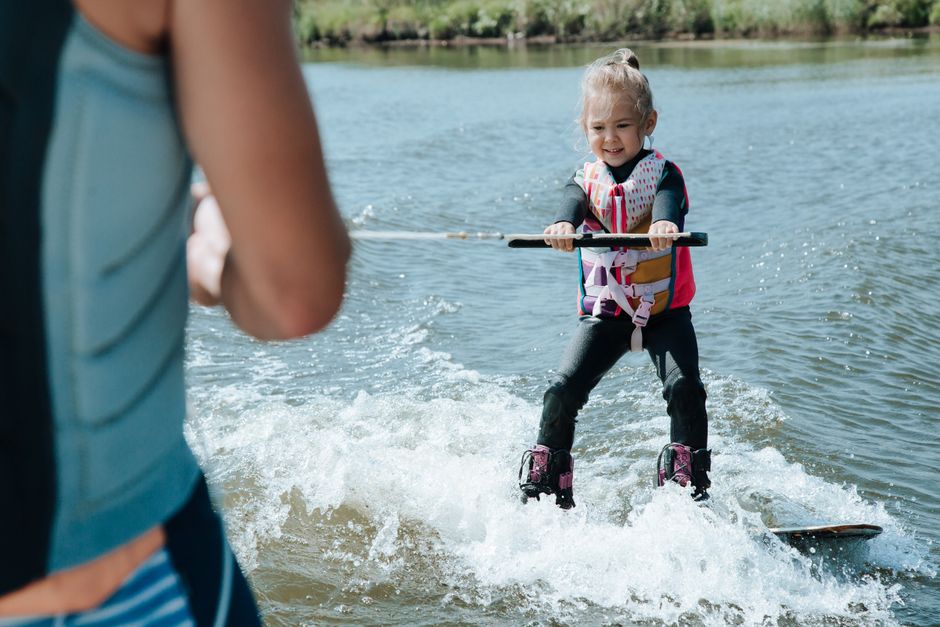
Start With the Right Life Jacket for Your Child
Before you can teach a child to wear a life jacket, you need one that fits properly and is appropriate for their size, weight, and the type of water activity. A jacket that's too big can ride up over a child's head; one that's too small won't provide enough buoyancy.
Check the Label and Certification
In the United States, look for a life jacket approved by the U.S. Coast Guard (USCG). Check the label for:
- Weight and chest size range — fit by weight first, then adjust for chest size.
- Type and performance level — Type I (offshore), Type II (near-shore), Type III (flotation aid), and Type V (special use) have different buoyancy characteristics.
- Intended activity — some jackets are designed for calm water, others for whitewater or towing sports.
Infant vs. Child vs. Youth Sizes
Infant jackets are designed for babies under 30 pounds and often include a head support collar and a grab strap. Child sizes generally cover 30–50 pounds, and youth sizes cover 50–90 pounds. Never put an adult jacket on a child, even temporarily — the fit will be dangerous.
Fit Test: The Two-Finger Rule
Once the jacket is on and all straps are snug, try to lift the shoulders of the jacket upward. If it moves more than about two fingers' width above the child's shoulders, it's too loose. Tighten the side and front straps until the jacket stays in place.
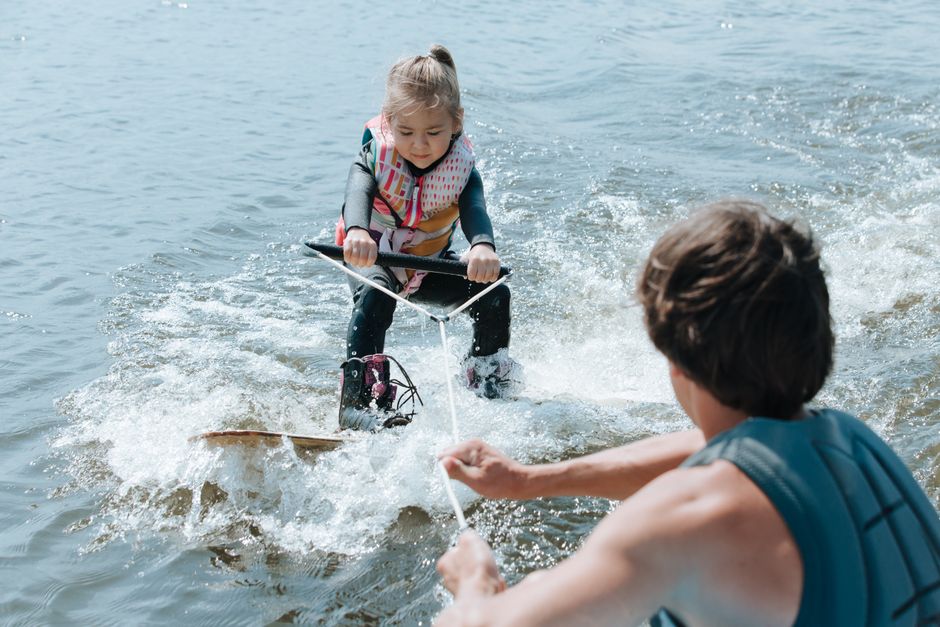
Introduce the Life Jacket Before You Reach the Water
Kids are far more likely to cooperate with a life jacket if their first experience with it is calm and positive — not rushed at the dock while everyone else is eager to swim. Try these steps at home:
- Let your child hold and explore the jacket before putting it on.
- Put the jacket on a favorite stuffed animal or doll first.
- Let your child practice buckling the straps with your help.
- Wear your own life jacket at the same time so it feels like a family routine.
This familiarization process reduces resistance and turns the jacket into a normal piece of gear rather than a punishment.
Teach the Step-by-Step Putting-On Routine
Children learn best with a consistent, repeatable sequence. Walk through these steps together every time:
- Unzip and loosen all straps before putting the jacket on.
- Slide arms through the armholes and pull the jacket down over the chest.
- Zip or buckle the front closure completely.
- Tighten the side straps first, then the front or shoulder straps.
- Do the lift test — pull up on the shoulders to check the fit.
- Fasten the crotch strap if the jacket has one, especially for young children.
Practice this routine on dry land several times before you ever get near the water. Repetition builds muscle memory, and soon your child will be able to do most of it independently.
Make Safety Rules Simple and Consistent
Young children respond best to short, clear rules. Consider adopting a family rule like "No jacket, no water" and repeating it every single time. Consistency is what makes the rule stick.
| Age Group | What They Can Do | What You Still Do |
|---|---|---|
| 2–4 years | Hold the jacket, help zip | Full fit check, all straps |
| 5–7 years | Zip and buckle front | Tighten straps, lift test |
| 8–12 years | Full routine with supervision | Final visual check |
As kids get older, hand over more responsibility — but always verify the final fit yourself before they enter the water.
Use Positive Reinforcement, Not Fear
Fear-based warnings can make children anxious about water, which actually increases risk. Instead, frame the life jacket as a tool that lets them have more fun. Praise them when they put it on correctly, and celebrate milestones like buckling their own straps for the first time. When kids associate the jacket with positive experiences, they're far more likely to wear it willingly.
Practice in Shallow Water First
Once the jacket fits properly, let your child experience how it feels in shallow, calm water with you right beside them. Show them how the jacket helps them float, and let them practice floating on their back and front. This builds confidence and teaches them that the jacket is a helper, not a hindrance.
Address Common Excuses and Resistance
Kids often resist life jackets because they're hot, itchy, or uncomfortable. Here's how to handle the most common complaints:
- "It's too hot." Choose a breathable, well-ventilated jacket and take breaks in the shade.
- "It's itchy." Have them wear a thin rash guard or t-shirt underneath.
- "It's ugly." Let them pick a color or character design they like.
- "My friends don't wear one." Explain that your family rule applies to everyone, and model it yourself.
Lead by Example
Children copy what they see. If you wear a life jacket every time you're on the water, your child will treat it as normal. If you skip it "just this once," they'll learn that the rules are negotiable. Consistency from parents and caregivers is the strongest teaching tool there is.
Reinforce Skills Every Season
Skills fade if they aren't practiced. At the start of every boating or swimming season, do a refresher: check the jacket's condition, re-test the fit, and walk through the routine again. Check for worn straps, broken zippers, or faded labels, and replace any jacket that's damaged or that your child has outgrown.
Final Thoughts
Teaching kids to wear a life jacket safely is a process, not a single conversation. By choosing the right jacket, introducing it positively, practicing a consistent routine, and modeling safe behavior yourself, you can turn life jacket use into a lifelong habit. The goal isn't just compliance — it's giving your child the confidence and skills to enjoy the water safely for years to come.