 English
 简体中文
简体中文 Русский
 Español
 Deutsch
Why Proper Life Jacket Storage Matters
A life jacket is one of the few pieces of safety equipment that can mean the difference between life and death on the water. Yet many boaters treat their life jackets as an afterthought once they return to the dock, stuffing them into a damp locker or leaving them exposed to the sun for months on end. What many people do not realize is that improper storage is one of the leading causes of life jacket failure. UV rays degrade the outer fabric, heat warps the foam, moisture breeds mildew, and chemicals weaken the stitching that holds everything together.
Proper life jacket storage is not complicated, but it does require consistency. Whether you own a basic Type II vest, a sleek inflatable belt pack, or a heavy-duty offshore jacket, the way you store it between trips directly affects how well it will perform when you need it most. This guide walks you through the best practices for keeping every type of life jacket in top shape, season after season.

Understand What You Are Protecting
Before diving into storage techniques, it helps to understand what a life jacket is actually made of. Most traditional foam life jackets consist of three main components:
- Outer shell: Usually nylon, polyester, or neoprene. This layer resists abrasion and water but is vulnerable to UV damage and chemical exposure.
- Flotation foam: Typically closed-cell PVC or polyethylene foam. It provides buoyancy but can compress, crack, or lose resilience if exposed to extreme heat or heavy weight.
- Hardware and stitching: Zippers, buckles, straps, and thread. These are often the first things to fail when a jacket is stored poorly.
Inflatable life jackets add a fourth critical component: a CO2 cartridge and an inflation mechanism. These require even more careful handling because a punctured bladder or a corroded firing mechanism can render the jacket useless.
General Storage Rules for All Life Jackets
1. Clean Before You Store
Salt, sand, sunscreen, and body oils all take a toll on life jacket materials. After every trip, especially in saltwater, rinse your jacket thoroughly with fresh water. Use a mild soap if needed, and never use harsh detergents, bleach, or solvents. Rinse the hardware and buckles as well, since salt corrosion can seize zippers and weaken clips.
2. Dry Completely — But Not in Direct Sun
Mildew is one of the most common causes of life jacket odor and fabric breakdown. Hang your jacket to dry in a shaded, well-ventilated area. Direct sunlight will dry it faster but at the cost of UV damage. A covered porch, a garage with the door open, or a shaded dock area works well. Never dry a life jacket in a clothes dryer; the heat can damage foam and shrink the shell.
3. Store Loosely, Not Compressed
Stuffing a life jacket into a tight compartment compresses the foam and can create permanent creases that reduce buoyancy. Hang jackets on wide, padded hangers or lay them flat in a clean, dry bin. If you must stack them, keep the stack shallow and rotate the jackets periodically.
4. Keep Away from Heat and Chemicals
Gasoline, oil, and solvents can break down foam and fabric. Store life jackets away from fuel lockers, engine compartments, and battery areas. Also avoid attics, sheds, and car trunks that reach extreme temperatures in summer.
5. Control Moisture and Pests
Use a breathable storage bag or bin rather than a sealed plastic bag, which can trap moisture. Add a moisture absorber if you live in a humid climate. Check periodically for rodent damage, especially if storing in a garage or barn.
Storage Tips by Life Jacket Type
| Type | Key Storage Considerations |
|---|---|
| Foam vest (Type I–V) | Hang or lay flat; avoid compression; keep out of sun |
| Inflatable (belt pack, suspender) | Store partially inflated or flat; protect CO2 cartridge; avoid folding bladder |
| Neoprene vest | Dry thoroughly; avoid heat; store away from other rubber items |
| Child life jacket | Store separately; inspect straps and buckles frequently |
Foam Life Jackets
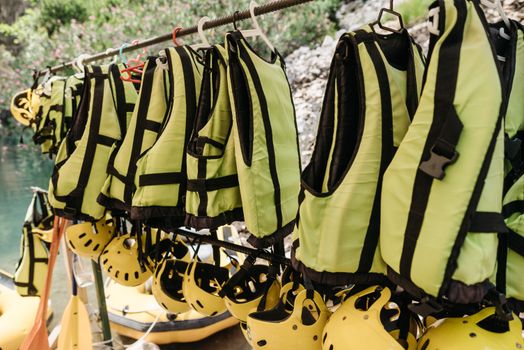
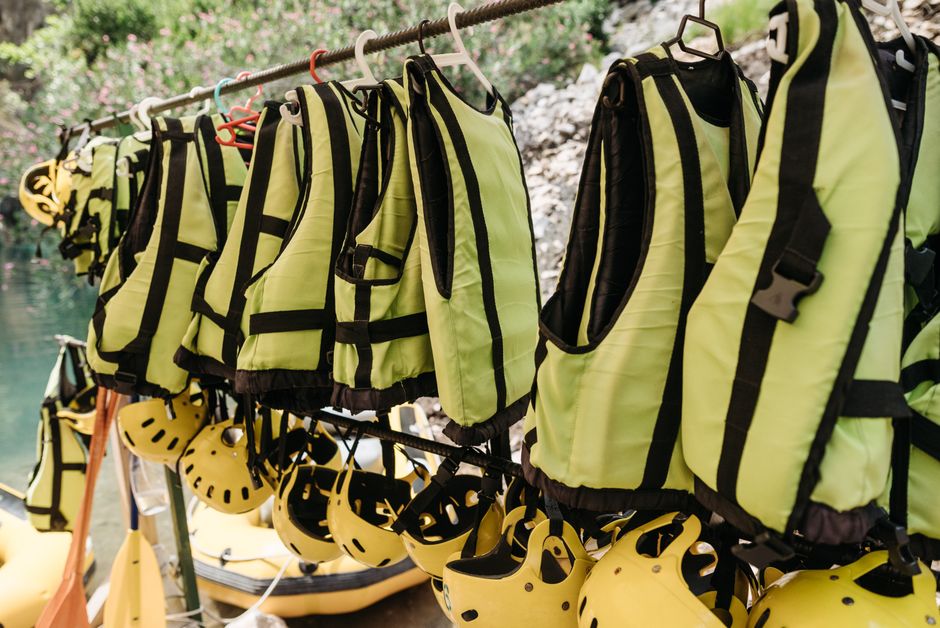
Traditional foam jackets are the most forgiving, but they still need care. Hang them by the shoulders on a wide hanger, or lay them flat in a storage bin lined with a clean towel. Do not hang them by a single strap, as this can stretch the fabric and distort the foam. Rotate the storage position every few months if the jacket stays in the same spot for long periods.
Inflatable Life Jackets
Inflatable life jackets require special attention. Before storing, check the CO2 cartridge for corrosion and confirm the firing mechanism is intact. Store the jacket loosely folded or flat, following the manufacturer's instructions. Never store an inflatable in a compressed or tightly folded state for long periods, as this can crease the bladder and cause leaks. Keep spare cartridges and rearming kits in a dry, accessible location.
Neoprene Life Jackets
Neoprene is durable but sensitive to heat and petroleum products. Store neoprene jackets away from other rubber items, which can cause them to stick or degrade. Hang them to dry inside out, and avoid folding them sharply.
Seasonal and Off-Season Storage
If you boat seasonally, off-season storage deserves extra care. Follow these steps before putting your life jackets away for the winter:
- Clean and dry every jacket thoroughly.
- Inspect for tears, fraying, and worn stitching; repair or replace as needed.
- Check inflatable mechanisms and replace CO2 cartridges if expired.
- Store in a cool, dry, pest-free location, ideally indoors.
- Label each jacket with the owner's name and size for quick distribution next season.
When the season begins again, inspect each jacket before use. Look for stiff foam, cracked fabric, corroded hardware, and mildew. If a jacket fails inspection, replace it — do not gamble with safety equipment.
Common Life Jacket Storage Mistakes to Avoid
- Leaving jackets on the boat: UV exposure and moisture are relentless. Bring jackets indoors when possible.
- Storing wet: Mildew can develop within 24–48 hours.
- Using sealed plastic bags: These trap moisture and promote mold.
- Hanging by straps: This stretches fabric and distorts foam.
- Ignoring inflatables: A corroded cartridge or folded bladder can fail silently.
Quick Inspection Checklist
Use this checklist every time you store or retrieve a life jacket:
- Fabric free of tears, fading, or stiffness
- Foam intact, not compressed or crumbling
- Zippers, buckles, and straps functioning smoothly
- No mildew, odor, or stains
- Inflatable components armed and within service date
- Label and size clearly visible
Final Thoughts
Life jacket storage is a small habit with a big payoff. A well-stored jacket retains its buoyancy, fits properly, and is ready to perform when seconds matter. By cleaning, drying, and storing your jackets correctly — and by inspecting them regularly — you protect your investment and, more importantly, the people who rely on it. Make storage part of your regular boating routine, and your life jackets will stay in top shape for years to come.