 English
 简体中文
简体中文 Русский
 Español
 Deutsch

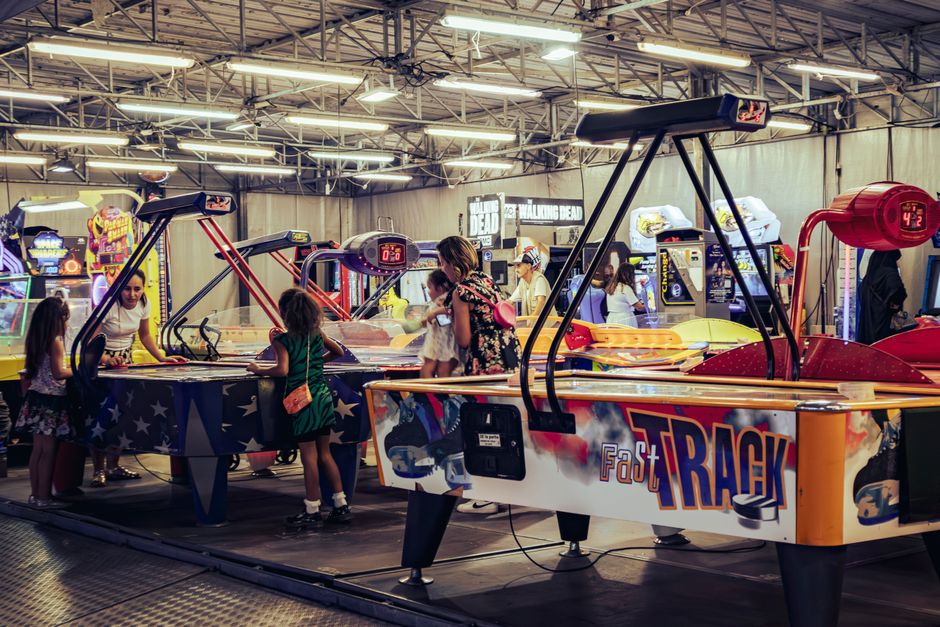
Why Air Hockey M&A Matters to Players, Operators, and Investors
Air hockey is a niche within a niche — a fast, loud, coin-operated sport that has survived arcade crashes, the rise of home gaming, and the shift to cashless amusement. Yet behind the tables you see in bars and family entertainment centers (FECs), there is a real business ecosystem: manufacturers, distributors, route operators, and leagues. When companies in that ecosystem merge or acquire one another, the ripple effects reach everyone from tournament players to arcade owners.
This guide explains how air hockey industry mergers and acquisitions (M&A) work, why they happen, who the major players are, and what to watch for if you own tables, run a league, or invest in the amusement sector.

What Counts as an Air Hockey M&A Deal?
Not every transaction in the air hockey world is a blockbuster. Deals fall into several categories:
- Manufacturer consolidation: One table maker buys another to gain patents, tooling, brand names, or distribution.
- Distributor roll-ups: Amusement distributors acquire smaller regional distributors that carry air hockey tables and parts.
- Route operator acquisitions: Companies that place coin-operated equipment in bars and arcades buy competing routes, absorbing their air hockey inventory and locations.
- Asset purchases: A buyer acquires only the air hockey product line, molds, or spare-parts business out of bankruptcy or restructuring.
- Licensing and brand deals: Less common, but sometimes a league or trademark is acquired without physical manufacturing assets.
Each type has different implications. A manufacturer merger can change table quality and parts availability. A route acquisition mostly affects pricing and service in local markets.
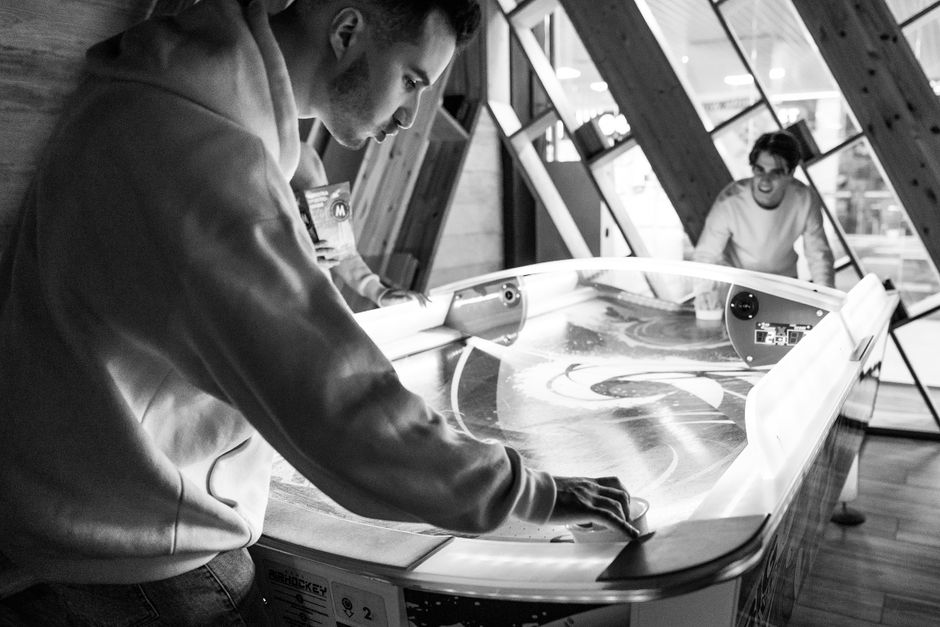
The Structure of the Air Hockey Supply Chain
To understand M&A, you need to see the chain:
| Layer | Examples | M&A Activity |
|---|---|---|
| Manufacturers | Valley-Dynamo, Shelti, Great American, Barron Games | High — patents, brands, and tooling are valuable |
| Distributors | Betson, Moss, Mountain Coin, regional distributors | Moderate — regional roll-ups are common |
| Route Operators | Local amusement operators, national route companies | High — routes are bought and sold constantly |
| Venues | Bars, FECs, arcades, skating rinks | Low — venues change hands, not air hockey companies |
| Leagues & Media | Local leagues, streaming channels, tournament organizers | Low but growing |
Most air hockey M&A happens in the first three layers. When a manufacturer is acquired, the entire chain feels it — distributors may lose a line, operators may face parts shortages, and players may see fewer table models.
Why Companies Buy Air Hockey Businesses
1. Patents and Proprietary Technology
Air hockey tables involve real engineering: blower systems, play-surface coatings, pucks, rails, and scoring mechanisms. A company with strong patents can block competitors or license technology. Buying a rival is often cheaper than litigating.
2. Brand Equity and Tournament Presence
Brands like Dynamo and Valley are tied to tournament play. Acquiring a brand instantly gives a buyer credibility with leagues and serious players.
3. Distribution and Route Density
In the amusement world, location density matters. Buying a route operator adds hundreds of locations where air hockey tables already earn money. The buyer can then upgrade those tables or add more.
4. Manufacturing Scale
Combining factories can reduce per-unit costs for cabinets, blowers, and electronics. In a low-margin industry, scale is survival.
5. Defensive Moves
Sometimes a company buys a competitor simply to stop them from being bought by someone else. This is common in fragmented industries like amusement equipment.
Notable Air Hockey and Amusement M&A Patterns
While exact deal values are rarely public, the pattern is clear. The amusement industry has consolidated repeatedly over the last three decades:
- Valley-Dynamo: The merger of Valley (pool tables) and Dynamo (air hockey) created one of the dominant names in coin-operated tables. This combined pool and air hockey under one manufacturing roof.
- Betson Enterprises: A major distributor that has grown through acquisitions and exclusive distribution agreements, carrying air hockey among many product lines.
- Regional route roll-ups: In markets like the Midwest and Southeast U.S., route operators have merged to build density, often keeping the air hockey tables and retiring duplicate equipment.
- International consolidation: European and Asian manufacturers have acquired or partnered with U.S. brands to enter the North American market.
These patterns repeat because the underlying economics are consistent: air hockey is a durable, high-traffic game that benefits from density and brand recognition.
How M&A Affects Table Owners and Operators
If you own air hockey tables — whether one or one hundred — a merger can hit you in practical ways:
Parts and Service
When a manufacturer is acquired, parts catalogs may be discontinued or consolidated. Blowers, pucks, and rails for older models can become scarce. Smart operators stock up before a deal closes if rumors surface.
Warranty and Support
New ownership may honor existing warranties, or it may not. Always get warranty terms in writing when buying tables from a company involved in a merger.
Pricing
Less competition often means higher prices for new tables and parts. Route acquisitions can also reduce competition for locations, which may affect revenue-share terms with venues.
Product Roadmap
Acquirers often kill overlapping product lines. If your favorite table model is discontinued, you may need to switch to a new platform — which means new spare parts and possibly new playing characteristics.
What Players and League Organizers Should Know
Competitive air hockey depends on consistency. If a manufacturer changes hands, tournament tables may change too.
- Table standards: Leagues often specify certain models. If those models are discontinued, leagues must adapt.
- Sponsorships: A new owner may cut or expand tournament sponsorship. Watch for announcements after a deal.
- Parts for tournament tables: Organizers should secure spare blowers and pucks before supply chains change.
- Brand politics: Sometimes a league is tied to a brand that is now owned by a competitor of another sponsor. This can create conflicts.
Practical Tips for Navigating Air Hockey M&A
For Arcade and Bar Owners
- Diversify suppliers. Don't rely on one manufacturer for all your air hockey needs.
- Keep a spare-parts inventory for your most common table models.
- Read acquisition news in amusement trade publications. Deals are often announced before supply disruptions hit.
- Negotiate service contracts that survive ownership changes.
For Route Operators
- If you're approached by an acquirer, value your air hockey locations separately. They have different economics than pool or crane routes.
- Understand earn-out structures. Many route deals pay based on future revenue, so table performance matters.
- Check non-compete clauses carefully. They can limit where you can place tables after a sale.
For Investors
- Look for companies with strong parts and service revenue. Recurring revenue is more valuable than one-time table sales.
- Assess patent portfolios. Air hockey technology is simple but defensible.
- Watch the cashless payment trend. Tables with card readers and telemetry are more attractive acquisition targets.
For Players
- Follow manufacturer news to know which tables will remain supported.
- Support leagues that secure their own equipment supply.
- Buy spare pucks and parts for your home table if your model's maker is acquired.
How to Evaluate an Air Hockey Acquisition Target
If you're considering buying an air hockey-related business, use this checklist:
| Factor | What to Check |
|---|---|
| Revenue mix | Table sales vs. parts vs. service vs. route income |
| Patents & trademarks | Status, expiration, litigation history |
| Distribution agreements | Exclusivity, territories, termination clauses |
| Inventory | Finished tables, parts, obsolete stock |
| Route contracts | Location terms, revenue splits, renewal dates |
| Brand reputation | Tournament ties, player sentiment, review scores |
| Liabilities | Warranties, recalls, lawsuits, environmental issues |
Air hockey businesses are often small, family-run operations. That means due diligence is as much about relationships and tribal knowledge as it is about financial statements. Talk to distributors, operators, and tournament organizers before you buy.
The Future of Air Hockey M&A
Several trends will shape deals in the coming years:
- Cashless and connected tables: Telemetry and card readers create data and recurring revenue, making tables more valuable to acquirers.
- Experience economy: As FECs grow, air hockey remains a low-cost, high-engagement attraction. That attracts investment.
- Consolidation of route operators: Expect more roll-ups as private equity looks at amusement routes.
- International buyers: Asian and European manufacturers may acquire U.S. brands to enter the market.
- Nostalgia and retro branding: Classic air hockey brands have marketing value, which can drive brand-only acquisitions.
For all the talk of synergy and scale, the air hockey industry remains driven by one thing: the game itself. A merged company that neglects table quality or player experience will lose the very asset it paid for.
Final Thoughts
Air hockey M&A is not just corporate news — it affects parts availability, tournament standards, route economics, and the tables you play on. Whether you're an operator, investor, or player, understanding how these deals work helps you prepare for change instead of reacting to it.
Keep an eye on trade publications, manufacturer announcements, and league updates. And if you own tables, build a spare-parts buffer now. In a consolidating industry, the best defense is information and preparation.
Our sales desk helps with table sizes, blower voltage, spare parts and container planning.