 English
 简体中文
简体中文 Русский
 Español
 Deutsch
Aerial Yoga Hammock Class: What to Expect Guide
Introduction to Aerial Yoga Hammock Classes
Aerial yoga hammock classes have taken the wellness world by storm, blending the ancient practice of yoga with the playful, weightless sensation of suspended movement. If you've ever watched someone gracefully float through a pose in a silk hammock and wondered what it would feel like, this guide is for you. Whether you're a seasoned yogi or a complete beginner, understanding what to expect from an aerial yoga hammock class will help you step into the studio with confidence and excitement.
In this comprehensive guide, we'll walk you through every aspect of an aerial yoga hammock class—from your first moments in the studio to the deep relaxation of savasana. You'll learn about the equipment, the typical class structure, the physical and mental benefits, safety considerations, and practical tips to make the most of your experience. By the end, you'll know exactly what to expect and be ready to book your first class.
What Is an Aerial Yoga Hammock?
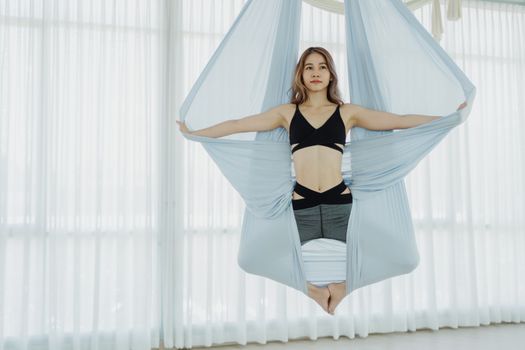
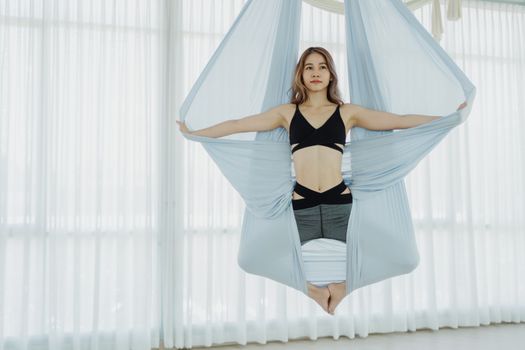
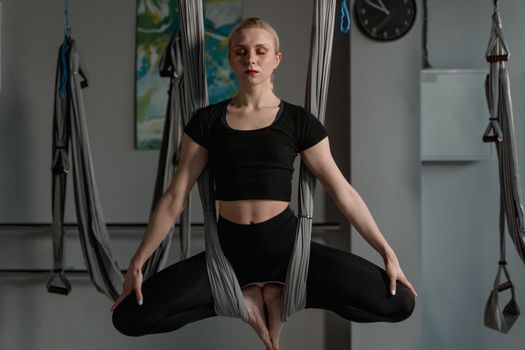
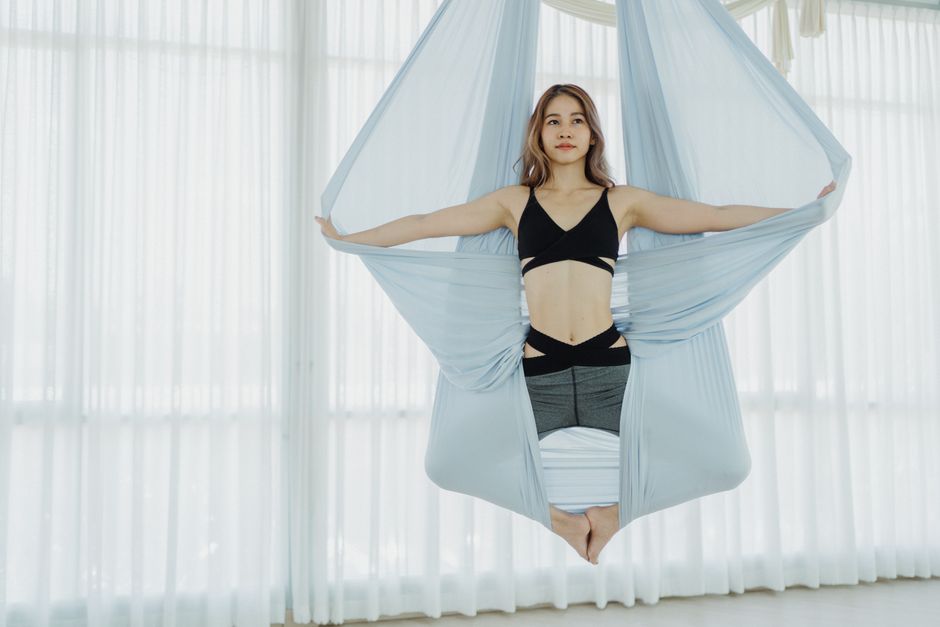
An aerial yoga hammock, also known as an aerial silk or swing, is a soft, fabric sling suspended from the ceiling. Unlike traditional aerial silks used in acrobatics, the yoga hammock is typically a continuous loop of parachute-like fabric that hangs at about hip height. It supports your body weight, allowing you to perform yoga poses with reduced impact on your joints and spine.
The hammock is designed to hold anywhere from 300 to 1,000 pounds, depending on the manufacturer. It's anchored to the ceiling with heavy-duty hardware, and in most studios, each student has their own hammock. The fabric is usually made of nylon or polyester, offering a gentle, supportive cradle for your body.
Types of Aerial Hammocks
- Single-point hammock: Hangs from one central point, allowing for spinning and more dynamic movement.
- Two-point hammock: Suspended from two points, providing more stability and is common in restorative aerial yoga.
- Low hammock: Hangs close to the ground for beginners and those who prefer a gentler introduction.
What Happens in a Typical Aerial Yoga Hammock Class?
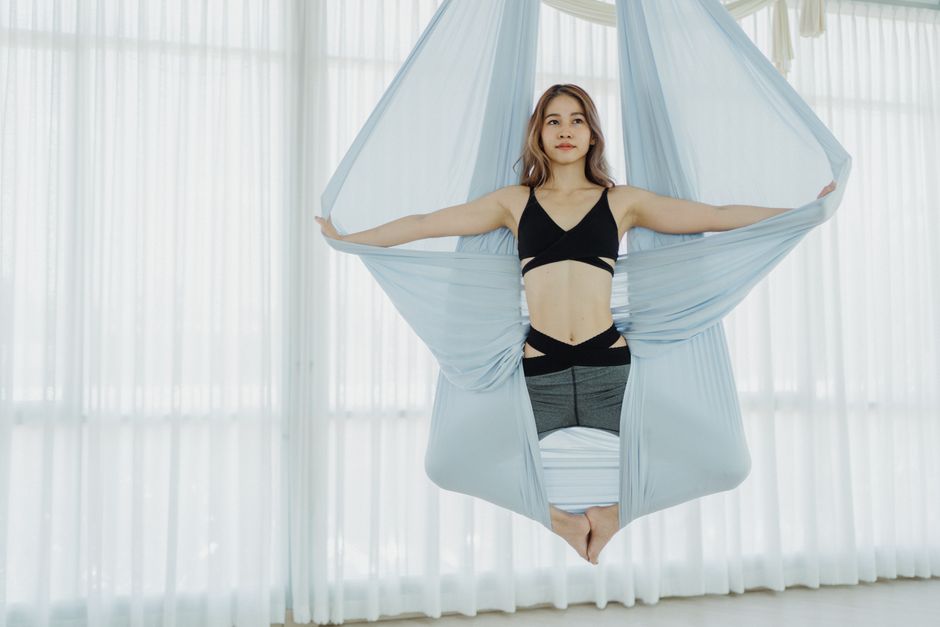
Every studio has its own style, but most aerial yoga hammock classes follow a similar arc. Here's a breakdown of what you can expect from a standard 60- to 90-minute session.
1. Arrival and Setup
Arrive 10–15 minutes early to check in, meet your instructor, and get familiar with the space. You'll likely be asked to remove your shoes and jewelry. The instructor will help you adjust your hammock to the correct height for your body. This is also a good time to mention any injuries or concerns.
2. Warm-Up
The class usually begins with a gentle warm-up on the mat or standing beside the hammock. You'll do simple stretches, joint rotations, and breathing exercises to prepare your body for suspension. This phase is crucial for preventing injury and getting into the right mindset.
3. Grounded Yoga Poses
Before you go airborne, you'll practice some traditional yoga poses on the ground, using the hammock for support. For example, you might hold the fabric while doing a warrior pose or use it to assist with balance in tree pose. This helps you build trust in the hammock and understand how it moves.
4. Aerial Poses and Flows
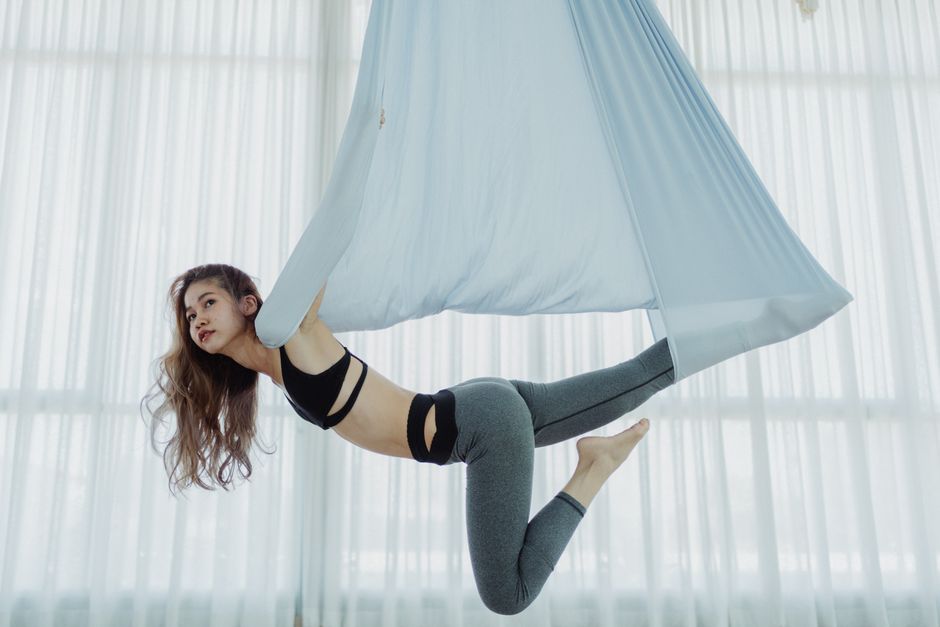
This is the heart of the class. You'll learn to sit, stand, invert, and flow with the hammock. Common poses include:
- Inverted butterfly: Hanging upside down with the hammock supporting your hips.
- Star inversion: A wide-legged inversion that decompresses the spine.
- Savasana in the silk: A cocoon-like relaxation at the end.
- Flying warrior: A dynamic pose that combines strength and balance.
The instructor will demonstrate each pose and guide you step by step. Don't worry if you can't get it perfectly on the first try—aerial yoga is about exploration, not perfection.
5. Cool-Down and Savasana
The class winds down with gentle stretches and a final relaxation, often in the hammock. Many students describe this as the most blissful part of the class. The gentle sway of the hammock and the support of the fabric allow for deep relaxation.
Physical and Mental Benefits of Aerial Yoga Hammock Classes
Aerial yoga offers a unique combination of benefits that you won't find in traditional mat yoga.
Physical Benefits
- Spinal decompression: Inversions create space between vertebrae, relieving back pain.
- Improved flexibility: The hammock supports you in deeper stretches.
- Core strength: Balancing and moving in the hammock engages your core muscles.
- Low-impact joint support: The fabric reduces pressure on joints, making it ideal for those with injuries.
- Increased circulation: Inversions promote blood flow and lymphatic drainage.
Mental Benefits
- Stress relief: The rocking motion and deep breathing calm the nervous system.
- Boosted confidence: Mastering a new pose in the air builds self-esteem.
- Mind-body connection: You must be present and focused, which enhances mindfulness.
- Playfulness: It's fun! Aerial yoga brings a sense of childlike joy to your practice.
Safety First: What You Need to Know
Safety is the top priority in any aerial yoga class. Here are essential guidelines to keep in mind.
- Choose a certified instructor: Ensure your teacher has proper training in aerial yoga.
- Listen to your body: Never push into pain. If something feels wrong, stop.
- Avoid inversions if you have certain conditions: High blood pressure, glaucoma, heart conditions, or pregnancy (unless cleared by a doctor) may contraindicate inversions.
- Check the equipment: The studio should inspect hammocks and rigging regularly.
- Communicate: Tell your instructor about any injuries, dizziness, or discomfort.
What to Wear and Bring
Proper attire makes a big difference in aerial yoga. Here's what to wear and bring:
| Item | Recommendation |
|---|---|
| Clothing | Fitted, moisture-wicking top and leggings that cover the backs of your knees and armpits to prevent friction burns. |
| Jewelry | Remove rings, watches, and sharp accessories that could snag the fabric. |
| Water | Bring a water bottle to stay hydrated. |
| Mat | Some studios provide mats; check in advance. |
| Hair | Tie long hair back to avoid it getting caught. |
Common Fears and How to Overcome Them
It's normal to feel nervous before your first aerial yoga class. Here are some common fears and tips to overcome them.
Fear of Falling
The hammock is designed to support you, and you'll start close to the ground. The instructor will guide you through every step, and you'll always have a mat underneath for safety.
Fear of Inversions
Going upside down can be intimidating. Start with gentle inversions and use the hammock for support. Your instructor will help you find comfort in the pose.
Fear of Not Being Flexible Enough
Aerial yoga is for all levels. The hammock assists you, so you don't need to be flexible to start. Flexibility comes with practice.
How to Choose the Right Aerial Yoga Studio
Not all aerial yoga studios are created equal. Consider these factors when choosing one:
- Instructor credentials: Look for certifications from reputable organizations like Yoga Alliance or Aerial Yoga Alliance.
- Class size: Smaller classes mean more personalized attention.
- Equipment quality: Ask about the hammocks and rigging safety records.
- Beginner-friendly options: Look for introductory or beginner-level classes.
- Reviews and testimonials: Read what other students say about their experiences.
Tips for Your First Aerial Yoga Hammock Class
- Arrive early: Give yourself time to settle in and ask questions.
- Wear the right clothes: Fitted, knee-covering leggings and a snug top.
- Skip heavy meals: Eat light an hour or two before class.
- Stay hydrated: Drink water before and after class.
- Be patient: Don't expect to master everything in one session.
- Have fun: Embrace the experience and enjoy the journey.
After Class: What to Expect
After your aerial yoga class, you may feel a unique combination of energized and relaxed. Some students experience mild soreness in the core, shoulders, or hips, similar to after a good workout. Drink plenty of water and take a gentle walk to help your muscles recover. Many people find that they sleep better after aerial yoga due to the deep relaxation and spinal decompression.
Conclusion: Is Aerial Yoga Hammock Class Right for You?
Aerial yoga hammock classes offer a magical blend of fitness, fun, and mindfulness. Whether you're looking to deepen your yoga practice, relieve back pain, or simply try something new, aerial yoga is worth exploring. With the right instructor, proper equipment, and an open mind, you'll discover a new dimension of movement and relaxation. So, what are you waiting for? Book your first aerial yoga hammock class today and let yourself fly.
Ask us anything about fabrics, rigging, load ratings or shipping — we answer personally.