 English
 简体中文
简体中文 Русский
 Español
 Deutsch
Yoga Hammock Fabric Types Explained Simply
Why Fabric Choice Makes or Breaks Your Yoga Hammock Experience
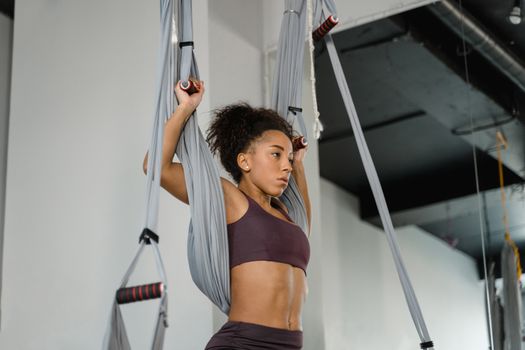
A yoga hammock, also called an aerial yoga swing or aerial hammock, is only as good as the fabric it is made from. The material determines how the hammock feels against your skin, how much it stretches under your weight, how safely it holds you during inversions, and how long it survives daily practice. Yet most beginners focus on colors and price while ignoring the single most important specification on the label.
This guide breaks down every common yoga hammock fabric type in plain language. You will learn how each material behaves, who it suits best, and how to match fabric to your body, your practice style, and your budget. By the end, you will be able to read a product listing and know exactly what you are buying.
The Two Big Fabric Families: Woven and Knit
Before comparing specific materials, understand the two structural families. Nearly every yoga hammock fabric falls into one of them, and the difference explains most of the behavior you will feel in the air.
Woven Fabrics
Woven fabrics are made by interlacing warp and weft threads at right angles. This creates a stable, low-stretch material. Parachute nylon, taffeta nylon, and most professional aerial silks are woven. They hold their shape, resist sagging, and give predictable support. If you want a hammock that feels the same on day one and day three hundred, woven is the safer bet.
Knit Fabrics
Knit fabrics are made from interlocking loops of yarn. This structure allows the material to stretch in multiple directions. Cotton jersey, spandex blends, and some tricot nylons are knits. They feel softer and more forgiving, but they can sag over time and may rebound unpredictably during dynamic poses. Knits are comfortable for gentle stretching but less ideal for advanced inversions.
Parachute Nylon: The Industry Standard
Parachute nylon, often labeled as ripstop nylon, is the most common fabric for yoga hammocks and aerial silks. It is a woven nylon, usually 40 denier, with a grid of reinforcing threads that stops tears from spreading.
- Stretch: Low to moderate, roughly 10 to 15 percent under load.
- Feel: Smooth and slightly slick, similar to a lightweight jacket lining.
- Strength: Extremely high for its weight; a single layer can hold over 1,000 pounds.
- Care: Machine washable in cold water, air dry, avoid fabric softener.
- Best for: Aerial yoga, inversions, dynamic flows, and hot studios.
If you are buying your first hammock for aerial yoga classes at home, parachute nylon is the default recommendation. It is affordable, durable, and widely trusted by studios.
Tricot Nylon: Softer, Stretchier, and More Forgiving
Tricot nylon is a knit fabric with a fine, smooth surface. It drapes beautifully and feels gentle against bare skin. Many people describe it as feeling like a soft t-shirt.
The trade-off is stretch. Tricot can elongate 20 to 30 percent under body weight, which means your hammock sits lower than expected and may bounce during transitions. Some practitioners love this cushioning effect; others find it unstable for precise alignment work.
| Property | Tricot Nylon | Parachute Nylon |
|---|---|---|
| Stretch | High | Low |
| Softness | Very soft | Moderate |
| Durability | Good | Excellent |
| Inversion support | Moderate | Excellent |
| Price | Medium | Low to medium |
Choose tricot if comfort is your top priority and your practice leans toward restorative poses, gentle swings, and supported backbends.
Cotton and Cotton Blends: The Comfort Classic
Cotton hammocks feel natural, breathe well, and hold dye beautifully. They are popular in wellness spaces, meditation corners, and home yoga rooms where aesthetics matter.
However, pure cotton has real limitations for aerial work. It absorbs sweat, dries slowly, and can stretch permanently over time. A wet cotton hammock also loses some strength, which is a safety concern during inversions. For these reasons, most reputable aerial brands use cotton blends, typically cotton mixed with polyester or a small amount of spandex, to balance comfort with resilience.
- Best for: Restorative yoga, meditation swings, and low-impact stretching.
- Avoid for: High-intensity aerial flows, sweaty studios, and frequent washing.
- Care tip: Wash separately in cold water and dry flat to prevent distortion.
Polyester and Polyester Blends: The Budget Workhorse
Polyester is strong, colorfast, and resistant to shrinking and mildew. It costs less than nylon and holds up well to repeated use. The main downside is a slightly rougher texture and less elasticity, which can feel stiff at first.
Many entry-level yoga hammocks use polyester or a polyester-cotton blend. They are perfectly safe when rated for the correct weight, but they may not feel as luxurious as nylon. If you practice barefoot and wear leggings, the texture difference is usually minor.
Spandex and Elastane Blends: Stretch Without Structure
Some budget hammocks advertise a spandex or elastane blend to suggest softness and flexibility. Be cautious here. Spandex is excellent in small percentages for fit and comfort, but a hammock made mostly of stretchy fiber will sag dramatically and may not return to shape. It can also make inversions feel unstable because the fabric moves with you instead of supporting you.
A good rule of thumb: if the fabric content lists more than 10 to 15 percent spandex, treat it as a gentle stretching swing rather than a serious aerial yoga tool.
Specialty Fabrics: Aerial Silk, Ripstop, and Eco Options
Aerial Silk (Low-Stretch Tricot)
Professional aerial silks use a low-stretch tricot specifically engineered for acrobatics. It offers a balance of softness and stability that standard tricot cannot match. If you plan to progress into advanced poses, this is worth the higher price.
Ripstop Nylon
Ripstop is a parachute nylon variant with a reinforcing grid. It resists tears and punctures, making it ideal for outdoor use or homes with pets and children. It is slightly heavier but extremely reliable.
Recycled and Eco Fabrics
Some brands now offer hammocks made from recycled nylon or organic cotton blends. These reduce environmental impact and often perform nearly as well as virgin materials. Check the weight rating carefully, since recycled fibers can vary in strength.
How to Choose the Right Fabric for You
Use this simple decision framework:
- You want a standard aerial yoga setup: Choose parachute or ripstop nylon.
- You prioritize softness and gentle stretching: Choose tricot nylon or a quality cotton blend.
- You practice restorative or meditation poses: Choose cotton or a cotton-polyester blend.
- You are on a tight budget: Choose polyester or a polyester blend from a reputable brand.
- You want maximum safety and longevity: Avoid high-spandex fabrics and prioritize woven nylon.
Fabric Weight, Denier, and Load Ratings Explained
Product listings often mention denier and weight limits. Denier measures fiber thickness; higher denier means a heavier, stronger fabric. A 40-denier nylon is lightweight and packable, while 70-denier feels more substantial. Load ratings tell you the maximum safe weight, usually between 300 and 1,000 pounds for quality hammocks.
Never exceed the stated load rating, and always include the weight of your mounting hardware and any dynamic movement in your calculation. When in doubt, choose a higher rating.
Practical Care Tips to Extend Fabric Life
- Wash in cold water with mild detergent and no fabric softener.
- Air dry away from direct sunlight to prevent UV damage.
- Inspect seams and fabric monthly for thinning or fraying.
- Store loosely coiled, not folded tightly, to avoid permanent creases.
- Keep hammocks away from rough walls, zippers, and jewelry that can snag woven threads.
Final Thoughts
Understanding yoga hammock fabric types removes the guesswork from buying. Parachute and ripstop nylon remain the gold standard for aerial yoga, tricot nylon offers a softer feel with more stretch, cotton blends excel for restorative work, and polyester provides an affordable entry point. Match the fabric to your practice, respect the load rating, and care for the material properly. Do that, and your hammock will support you safely for years of practice.
Ask us anything about fabrics, rigging, load ratings or shipping — we answer personally.