 English
 简体中文
简体中文 Русский
 Español
 Deutsch
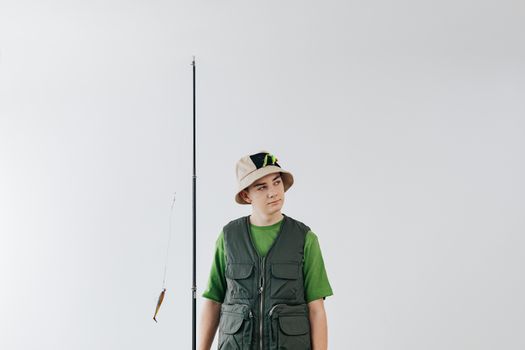
Discover the biggest fishing apparel brand news of 2025, from PFAS-free waterproofing to self-healing waders. See what‘s new and gear up today.
Fishing apparel has evolved far beyond a simple rain jacket and a pair of rubber boots. In 2025, the market is delivering some of the most technically advanced, sustainable, and angler-focused gear we have ever seen. From sun-protective hoodies built with recycled ocean plastics to waders that repair themselves, the year ahead is packed with innovation. Whether you chase bass in southern reservoirs, stalk steelhead in Pacific Northwest rivers, or fly fish alpine lakes, there is something new for you. Here are the eight biggest stories shaping fishing apparel brands in 2025.
1. Recycled and Bio-Based Fabrics Go Mainstream
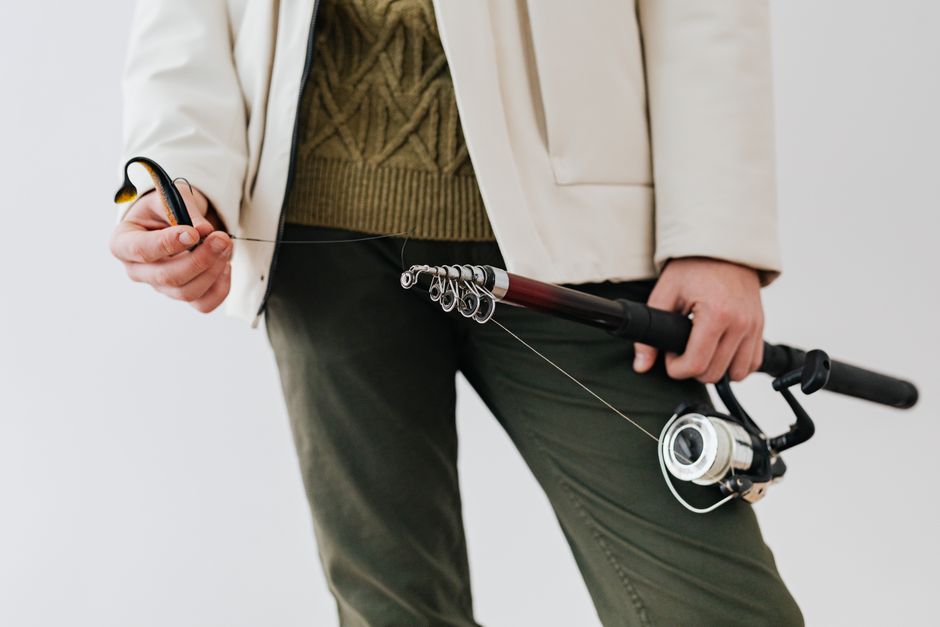
The biggest shift in 2025 is the mainstreaming of recycled and bio-based materials. Brands like Simms, Patagonia, and Orvis have expanded their use of recycled nylon and polyester, while newcomers are experimenting with castor bean-based polyamides and bio-derived spandex. These fabrics reduce reliance on virgin petroleum without sacrificing the stretch and abrasion resistance anglers demand.
What makes this different from earlier green marketing pushes is verifiable supply chain transparency. Several brands now publish third-party certifications and traceability maps directly on product pages, letting you scan a QR code and see where the yarn was spun. For consumers, that means less greenwashing and more confidence that a "sustainable" wader actually is one.
Expect price points to stay competitive as production scales. Early 2025 releases show recycled-content fishing shirts landing within 10 to 15 percent of conventional equivalents, a gap that is closing fast.
2. PFAS-Free Waterproofing Becomes the Standard
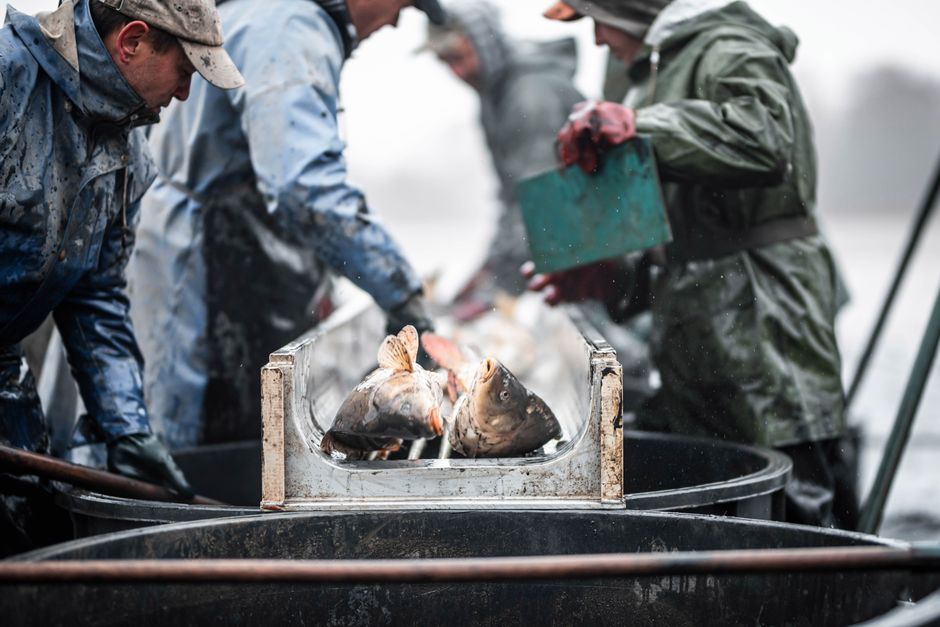
Per- and polyfluoroalkyl substances, commonly called PFAS, have been under regulatory pressure for years, and 2025 is the year fishing apparel finally moves away from them at scale. Major brands have reformulated durable water repellent (DWR) finishes to be PFAS-free, and several states now require labeling that discloses whether a garment contains these chemicals.
The practical result for anglers is waterproof gear that still beads water but avoids the persistent environmental contaminants that accumulate in watersheds. Initial concerns about durability have largely been addressed through wax-based and silicone-based finishes that can be refreshed at home with spray-on treatments.
When shopping in 2025, look for "PFAS-free" or "PFC-free" labels. If a brand is quiet about its DWR chemistry, that silence is now a red flag rather than an oversight.
3. Smart Fabrics With Built-In Cooling and Heating
Phase-change materials and graphene-infused textiles are moving from aerospace labs into fishing shirts and bibs. These smart fabrics absorb excess heat when you are active and release it when you slow down, smoothing out the temperature swings that come with wading deep or hiking into a remote stretch of river.
Some 2025 jackets add low-voltage heating panels powered by a chest-pocket battery, with three heat settings and up to eight hours of runtime. They are especially popular among winter steelhead and ice fishing crowds who need warmth without bulk that restricts casting motion.
Cooling-focused pieces are equally interesting. Brands are embedding mineral-based yarns that reflect infrared radiation, keeping surface temperatures measurably lower under direct sun. Independent lab tests cited by manufacturers show skin temperature reductions of 3 to 5 degrees Fahrenheit compared with standard polyester.
4. Sun Protection Ratings Keep Climbing
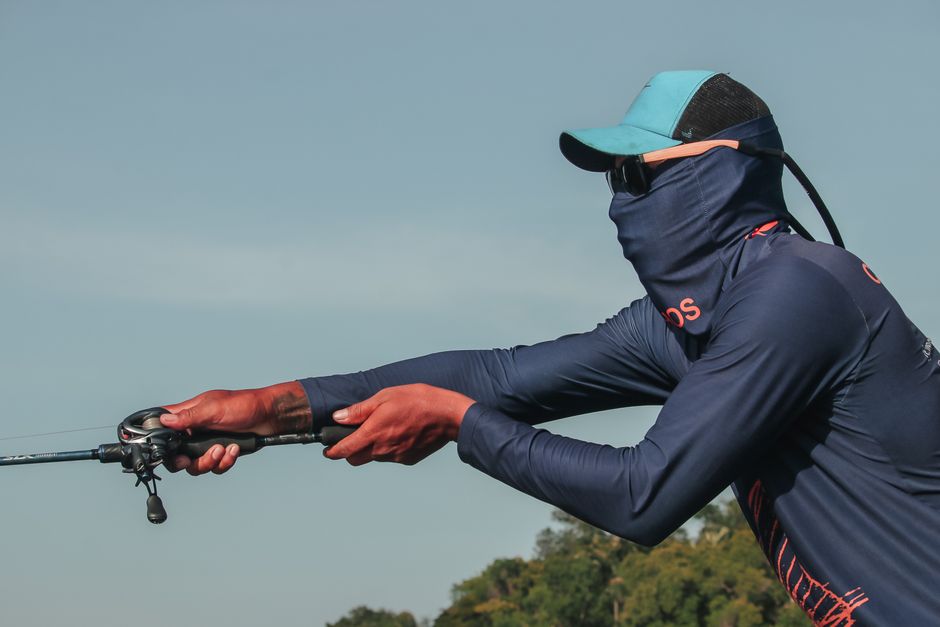
UPF 50+ used to be the ceiling. In 2025, several brands are marketing UPF 50+ garments that maintain protection after 100 wash cycles, backed by standardized testing rather than one-time lab results. Hooded sun shirts with gaiter-style face coverage are now a default choice for flats anglers and bass fishermen alike.
The design trend is toward full-coverage silhouettes that do not feel stifling. Laser-cut ventilation panels, mesh underarms, and articulated sleeves keep air moving while blocking UV. Many of these shirts now weigh under six ounces, making them viable in humid southern climates.
Dermatologists continue to recommend sun-protective clothing over sunscreen alone for long exposures, and fishing brands are leaning into that message with educational content and collaborations. It is a rare case where health advice and product marketing align cleanly.
5. Waders Get Lighter, Stronger, and Self-Repairing
Wader technology is having a banner year. New four-layer and five-layer laminates are shedding weight while improving puncture resistance, and seam construction has moved to ultrasonic welding that eliminates stitch holes entirely. The result is waders that feel like a second skin rather than a heavy rubber suit.
The headline innovation, though, is self-healing membrane technology. A small number of 2025 models incorporate polymer layers that re-seal minor punctures when exposed to body heat and moisture, potentially extending wader life by several seasons. Field reports are still limited, but early testers describe the effect as genuinely useful for thorny brush and barbed-wire fences.
Boot-foot and stocking-foot options both benefit, and convertible chest-to-waist designs remain popular for anglers who cross between deep wading and boat decks.
6. Brand Collaborations With Conservation Groups
2025 has seen a wave of co-branded collections where a portion of proceeds supports fisheries conservation. Trout Unlimited, the Coastal Conservation Association, and Bonefish & Tarpon Trust have partnered with apparel makers on limited-edition shirts, hats, and waders. These drops tend to sell out quickly and often fund specific habitat or access projects.
Beyond fundraising, some collaborations include citizen-science components. Buyers receive instructions for logging water temperature readings or reporting invasive species sightings, feeding data back to researchers. It is a smart way to turn a t-shirt purchase into meaningful participation.
If you want your gear dollars to do double duty, these collections are worth watching. Sign up for brand newsletters, because the best drops rarely stay in stock for more than a few weeks.
7. Inclusive Sizing and Women-Specific Designs Expand
For too long, women anglers had to choose between men's gear and a handful of token offerings. In 2025, several brands have launched full women's lines designed from the ground up, with adjusted shoulder widths, bust shaping, and shorter inseams that actually fit. Extended sizing up to 3XL is also becoming more common across major labels.
This is not just about fit. Women-specific waders now feature repositioned gravel guards, drop-seat options, and pocket layouts tailored to different gear loads. Reviews suggest the performance gap between men's and women's gear has narrowed dramatically.
The business case is clear: participation among women, younger anglers, and diverse communities continues to grow, and brands that ignore that shift are leaving money on the table. Expect more inclusive sizing announcements throughout the year.
8. Direct-to-Consumer Pricing and Repair Programs
Finally, the way fishing apparel is sold is changing. More brands are going direct-to-consumer, cutting out retail markups and offering waders and jackets at prices that undercut traditional tackle shop shelves. At the same time, repair programs are expanding, with mail-in patching, seam resealing, and zipper replacement available for a flat fee.
Repair programs matter because they extend product life and reduce landfill waste, but they also build loyalty. Anglers who send in a five-year-old jacket and get it back watertight tend to buy from that brand again.
Before you buy in 2025, check whether the brand offers repairs, spare parts, and a clear warranty. A great jacket is even better when it can be fixed instead of replaced. The brands investing in these programs are signaling that they plan to be around for the long haul, and that is good news for every angler.