 English
 简体中文
简体中文 Русский
 Español
 Deutsch
Discover the latest fishing electronics company updates for anglers, from live sonar to GPS trolling motors. Stay ahead and catch more fish!
Fishing electronics have evolved dramatically over the past few seasons, and the companies behind fish finders, sonar units, trolling motors, and live-imaging systems have been busy rolling out firmware updates, new hardware, and expanded app ecosystems. For anglers, keeping up with these company updates isn't just about having the newest gadget — it's about getting more fish, better battery life, and clearer readings on the water. In this roundup, we break down the most important fishing electronics company updates for anglers, from sonar giants to GPS trolling motor makers. Whether you chase bass on reservoirs, walleye on big lakes, or redfish in the flats, these announcements affect your next trip. Here are the updates worth paying attention to before you head out.
1. Live-Imaging Sonar Gets Sharper and Cheaper
Live-imaging sonar was once a premium, pro-only technology. This season, several major fishing electronics companies have pushed forward-scanning and down-scanning live sonar into mid-range price points while improving target separation. New processing chips allow faster refresh rates, so you can watch a bass track your jig in real time without the lag that plagued earlier generations. Firmware updates have also improved how the units handle shallow-water clutter and vegetation.
For anglers, the practical benefit is huge. You can now identify how fish react to your presentation, adjust cadence, and even see when a fish rejects your bait. If you already own a compatible head unit, check your manufacturer's update portal — many of these improvements arrive as free software downloads rather than requiring a new transducer purchase.
2. GPS Trolling Motors Add Auto-Routing and Anchor Lock Refinements
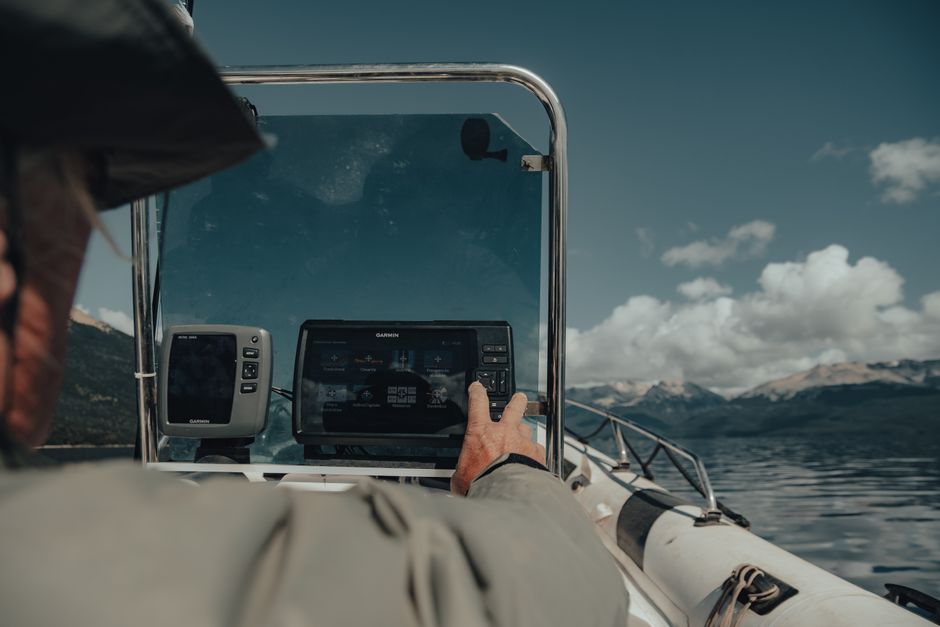
The biggest news in trolling motor electronics is the continued refinement of GPS anchoring and auto-routing. Company updates now let motors follow depth contours automatically, hold position in wind and current with tighter accuracy, and even navigate multi-point routes while you focus on casting. These aren't gimmicks — they're tools that keep your boat on productive structure without constant manual correction.
Several brands have also improved integration between trolling motors and chartplotters, so waypoints, routes, and depth shading sync seamlessly. Battery efficiency has improved too, with smarter thrust modulation that extends run time on a single charge. If you fish tournaments or long days on the water, this update alone can change how you allocate your time.
3. Fish Finder Firmware Brings Better Target ID and Mapping
Firmware updates are the quiet heroes of fishing electronics. Recent releases have improved automatic target identification, helping units distinguish bait balls from game fish and bottom-hugging species from structure. Some companies now use machine-learning algorithms trained on thousands of sonar returns to color-code targets more accurately.
Mapping has improved as well. New updates add high-definition lake contours, community-sourced depth data, and better shading options for identifying drop-offs, humps, and creek channels. Anglers who fish unfamiliar water will appreciate the ability to overlay multiple map layers and adjust transparency on the fly.
4. Mobile Apps Become the Command Center
Fishing electronics companies are increasingly treating smartphone apps as the command center for their ecosystems. Recent updates allow you to plan routes at home, sync waypoints across devices, download offline maps, and even receive software notifications directly to your phone. Some apps now support remote screen mirroring so a buddy in the back of the boat can see the same sonar view.
Another trend is cloud backup. If your unit fails or you upgrade, your waypoints, tracks, and settings can be restored in minutes. That's a major quality-of-life improvement for anglers who have spent years building private brush piles and reef coordinates.
5. Battery and Power Management Improvements
Running multiple screens, live sonar, and a trolling motor draws serious power. Companies have responded with smarter power management, including low-voltage alerts, sleep modes, and compatibility with lithium and AGM battery profiles. Some updates let you monitor voltage draw per device from a single dashboard.
These changes matter on long days and overnight trips. Knowing exactly how much juice your electronics are consuming helps you avoid a dead battery when the bite turns on at dusk. Several brands now publish recommended wiring diagrams and fuse ratings alongside their updates, making DIY installation safer.
6. Networking and NMEA 2000 Compatibility Expands
More fishing electronics companies are embracing NMEA 2000 and Ethernet networking, letting sonar, radar, autopilots, and engine data share a single backbone. Recent updates have simplified setup wizards so you don't need a marine electrician to add a second display or a new transducer.
For anglers, this means fewer black boxes and cleaner rigging. It also means you can mix and match brands more easily than ever, choosing the best sonar from one company and the best trolling motor from another. Check compatibility charts before buying, but the trend is clearly toward open systems.
7. What These Updates Mean for Your Next Trip
Put simply, fishing electronics companies are competing on software as much as hardware. That's good news for anglers: updates arrive more frequently, features trickle down to affordable units, and your existing gear stays relevant longer. Before your next trip, take fifteen minutes to check for firmware updates, back up your waypoints, and review new features.
Whether you're a weekend angler or a tournament competitor, staying informed about company updates helps you fish smarter, save battery, and put more fish in the boat. Bookmark your manufacturer's update page, join owner forums, and test new features on familiar water before relying on them in a tournament.