English
 简体中文
简体中文 Русский
 Español
 Deutsch
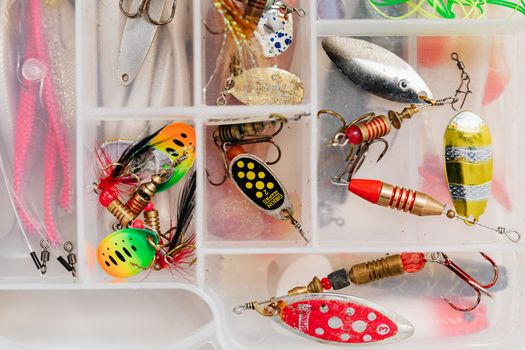
Explore the biggest fishing gear mergers and acquisitions of 2025. Learn how tackle industry consolidation affects prices, warranties, and your favorite brands.
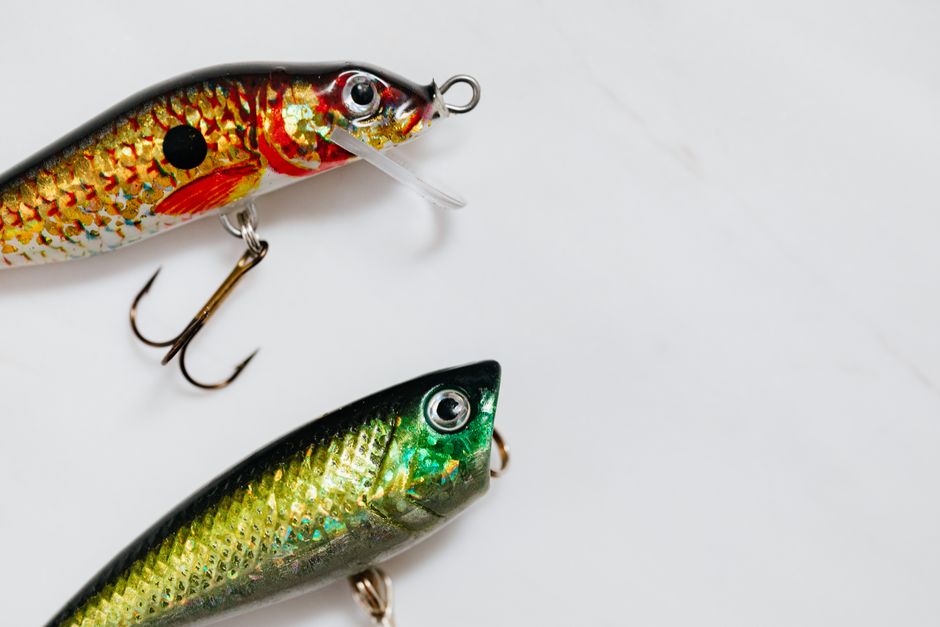
Fishing Gear Mergers and Acquisitions: 2025 News
The fishing tackle industry entered 2025 with a wave of consolidation that is reshaping how anglers buy rods, reels, lures, and electronics. From legacy rod makers to cutting-edge sonar brands, fishing gear mergers and acquisitions in 2025 are creating new parent companies, streamlining supply chains, and, in some cases, sparking concern about reduced competition. This in-depth guide covers the biggest deals announced so far, what they mean for everyday anglers, and how to future-proof your tackle box in a rapidly changing market.
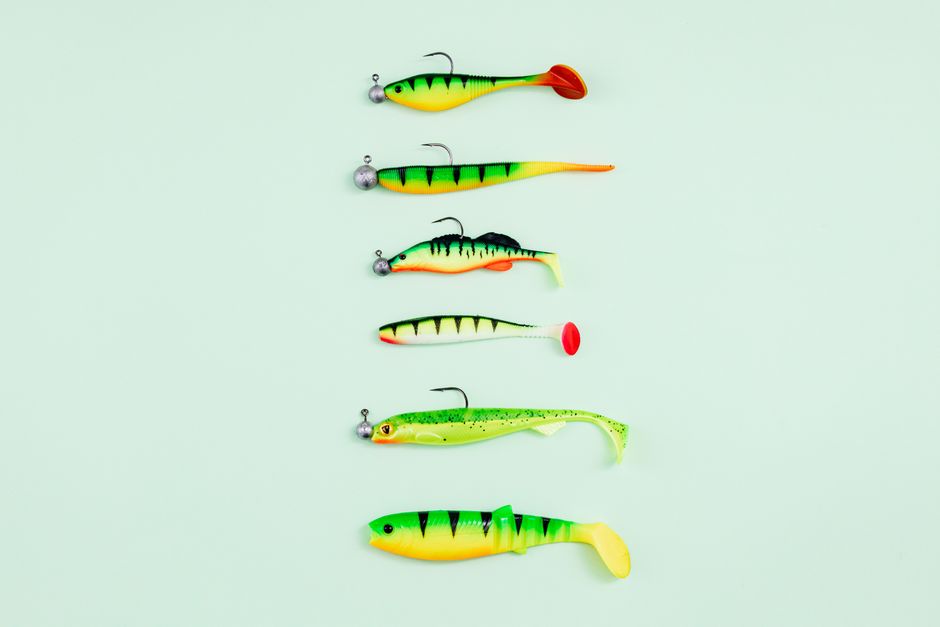
Why M&A Is Accelerating in the Fishing Tackle Industry
Several forces are driving the surge in fishing gear M&A activity:
- Post-pandemic normalization: After the 2020–2022 outdoor boom, many tackle brands face slower organic growth and need scale to protect margins.
- Private equity interest: Outdoor recreation is a resilient category, and PE firms see fishing as a fragmented market ripe for roll-ups.
- Direct-to-consumer pressure: DTC brands have squeezed traditional retail, pushing legacy manufacturers to acquire digital-native competitors.
- Technology convergence: Sonar, GPS, and smart reels require software talent that established tackle companies often lack — so they buy it.
- Supply chain consolidation: Rising costs in Asia have encouraged vertical integration through acquisitions of factories and component suppliers.
According to industry analysts, the global fishing tackle market is projected to exceed $15 billion by 2027, and M&A is one of the fastest ways for companies to capture share in that growth.
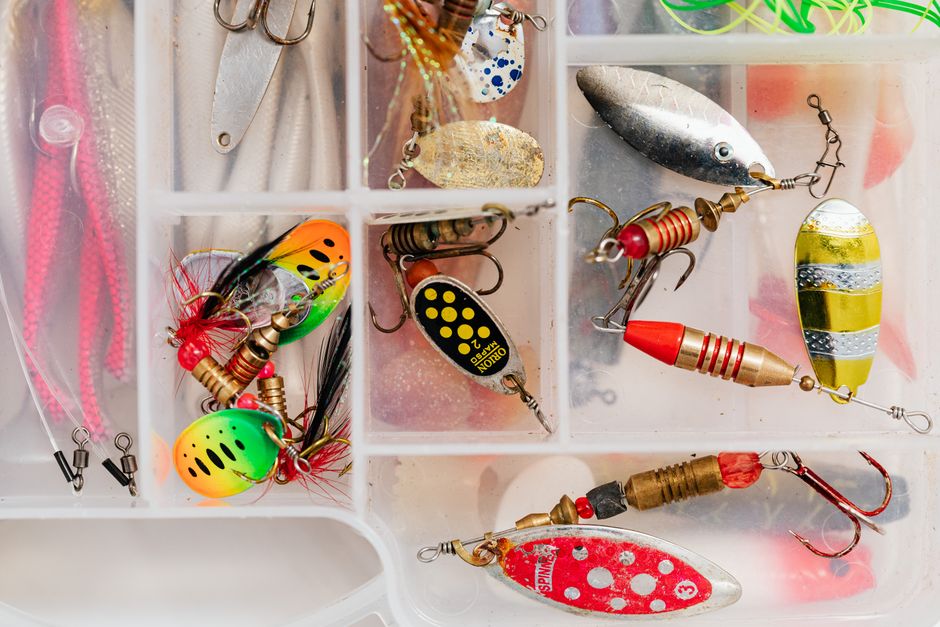
The Biggest Fishing Gear Mergers and Acquisitions of 2025
1. Pure Fishing Expands Its Electronics Portfolio
Pure Fishing, already home to Abu Garcia, Berkley, and Penn, made headlines in early 2025 by acquiring a mid-sized marine electronics brand known for forward-facing sonar. The deal gives Pure Fishing a stronger foothold in the high-margin fish finder segment and puts it in direct competition with Garmin and Humminbird.
What it means for anglers: Expect bundled rod-reel-sonar packages at big-box retailers and potentially tighter integration between reels and depth-finding apps.
2. Rapala VMC Restructures with Strategic Divestitures
Rapala VMC continued its portfolio reshaping in 2025, selling off a non-core accessory line to a European holding company while acquiring a small Scandinavian lure brand famous for hand-tuned crankbaits. The move signals a return to premium hard baits and core fishing categories.
What it means for anglers: More limited-edition lure drops, but also possible price increases as the brand leans into premium positioning.
3. A Major Outdoor Retailer Acquires a DTC Tackle Startup
One of the largest outdoor specialty retailers acquired a subscription-based tackle box company, integrating its personalization algorithm into the retailer's loyalty program. This is a classic example of a brick-and-mortar giant buying digital expertise rather than building it.
What it means for anglers: Better curated tackle recommendations, but watch for subscription price changes once the startup's founder-led pricing ends.
4. Japanese Conglomerate Invests in American Rod Manufacturing
A Japanese fishing conglomerate took a majority stake in a U.S. custom rod builder, citing a desire to onshore premium blank production and reduce tariff exposure. The deal includes a new factory in the Southeast and a commitment to keep the brand's lifetime warranty.
What it means for anglers: Shorter lead times on custom rods and potentially more affordable high-modulus graphite options.
5. Kayak and Paddle Brands Merge with Fishing Accessory Lines
Consolidation isn't limited to rods and reels. A leading kayak manufacturer merged with a fishing accessory company specializing in rod holders and crate systems, creating a one-stop shop for kayak anglers. This follows a broader trend of boat, kayak, and tackle companies combining to sell complete ecosystems.
How M&A Affects Everyday Anglers
Mergers and acquisitions can be a double-edged sword for the fishing community. Here's a breakdown of the practical impacts:
| Area | Potential Benefit | Potential Drawback |
|---|---|---|
| Product innovation | Cross-brand R&D, faster tech adoption | Fewer independent innovators |
| Pricing | Economies of scale can lower costs | Reduced competition may raise prices |
| Warranty & service | Larger networks, better support | Brand closures, discontinued parts |
| Retail availability | Wider distribution | Small shops lose niche brands |
| Brand identity | Investment in heritage brands | Loss of authentic, angler-led culture |
Historically, the fishing industry has seen mixed outcomes. Some acquisitions have revived struggling brands with fresh capital and distribution. Others have led to the quiet discontinuation of beloved product lines, leaving loyal anglers scrambling for replacements on secondary markets.
Practical Tips: How to Navigate a Consolidating Tackle Market
1. Stock Up on Discontinued Favorites — Carefully
When a merger is announced, legacy SKUs often get phased out within 12–18 months. If you rely on a specific crankbait or reel model, buy a reasonable backup supply. Avoid hoarding perishable soft plastics, which degrade over time.
2. Read the Fine Print on Warranties
Acquisitions can change warranty terms. Before you buy a big-ticket item like a trolling motor or sonar unit, check whether the warranty is transferable and whether the new parent company honors pre-acquisition claims. Save your receipts digitally.
3. Diversify Your Brand Portfolio
Don't build your entire quiver around one parent company. If a single conglomerate owns your rod, reel, line, and electronics, a strategic pivot could leave you without compatible accessories. Mix brands to maintain flexibility.
4. Watch for Rebranding and Platform Sharing
After an acquisition, companies often share platforms. A $200 reel may suddenly use the same internals as a former $400 flagship. This can be a bargain — or a warning sign of cost-cutting. Read teardown reviews from trusted anglers before buying.
5. Support Independent Makers When It Matters
Small, independent lure makers and rod builders are the innovation engine of fishing. If you value unique designs and direct feedback from makers, allocate part of your tackle budget to independents. Many offer custom colors and direct customer service that big brands can't match.
What to Expect in the Second Half of 2025
Industry insiders expect several more deals before year-end, particularly in these areas:
- Marine electronics: Sonar and live-imaging technology remains the hottest acquisition target.
- Electric propulsion: Trolling motor and shallow-water anchor companies are attractive as boat electrification grows.
- Apparel and waders: Technical fishing apparel brands with strong DTC channels are prime candidates.
- Line and terminal tackle: Commodity categories are ripe for roll-ups to gain pricing power.
Regulatory scrutiny could slow some deals, especially if a single company starts to dominate a specific niche like forward-facing sonar. Anglers should pay attention to antitrust reviews, which are increasingly common in outdoor recreation.
Final Thoughts: A Changing Tide for Tackle Buyers
Fishing gear mergers and acquisitions in 2025 are not just corporate news — they directly affect what you can buy, how much you pay, and how well your gear is supported. While consolidation can bring innovation and scale, it also risks narrowing choice and diluting brand heritage. The smartest anglers will stay informed, diversify their tackle, and vote with their wallets for the brands — big or small — that deliver real value on the water.
Keep an eye on official announcements from major manufacturers and trade shows like ICAST, where acquisition rumors often become reality. Whether you fish for bass, walleye, or saltwater giants, understanding the business behind the bait makes you a more savvy consumer.
Share your market, target species and estimated quantities — we reply with a sampling plan and a quotation.