English
 简体中文
简体中文 Русский
 Español
 Deutsch
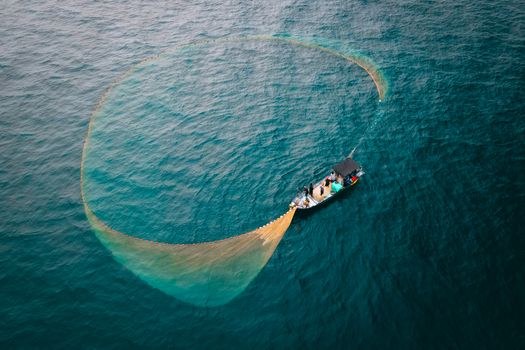
Discover the latest sustainable fishing equipment news and trends. Learn about biodegradable line, lead-free weights, and eco-friendly tackle tips.
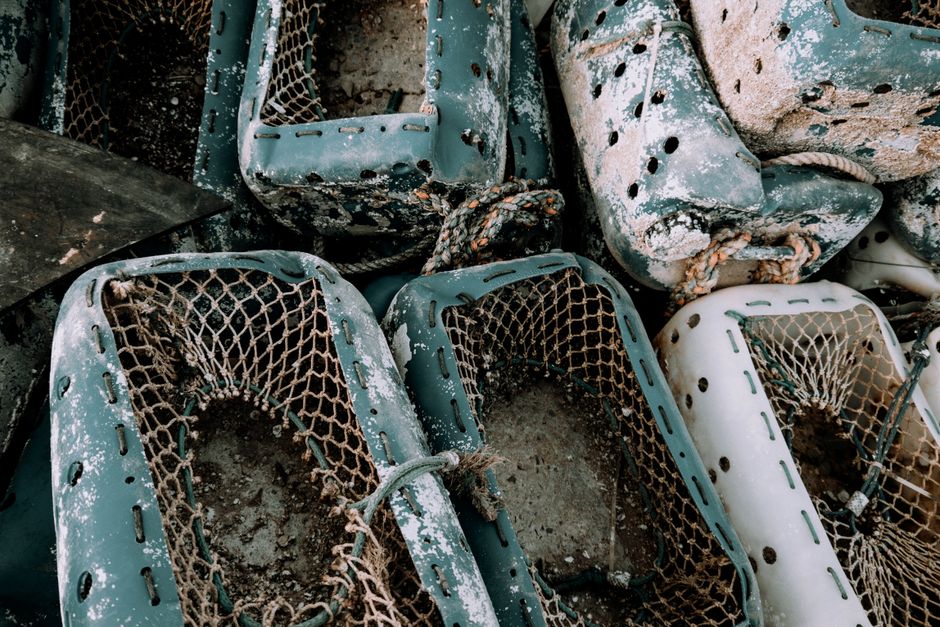
Why Sustainable Fishing Equipment Is Reshaping the Industry
Sustainability is no longer a niche buzzword in the tackle world — it is now a driving force behind product design, manufacturing standards, and consumer purchasing decisions. From biodegradable fishing line to recycled tungsten weights, the fishing equipment industry is undergoing a fundamental transformation. In 2024 and beyond, anglers, retailers, and manufacturers are aligning around a shared goal: reducing the environmental footprint of fishing without sacrificing performance.
This guide explores the latest news, emerging trends, and practical tips in sustainable fishing equipment so you can make smarter, greener choices on the water.
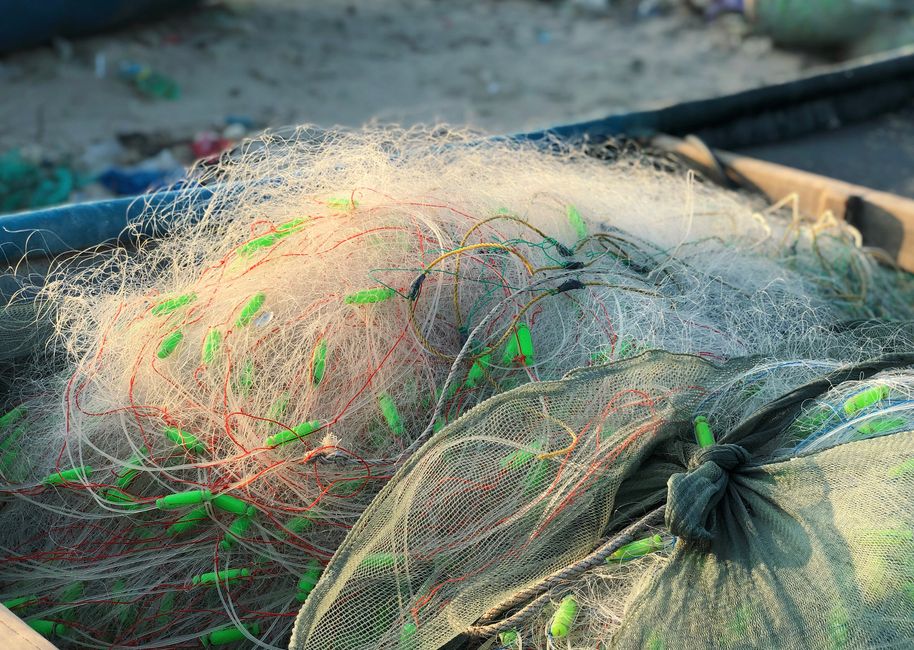
The Driving Forces Behind Sustainable Tackle
Several converging pressures are pushing the industry toward sustainability:
- Regulatory action: The EU's Single-Use Plastics Directive and similar legislation worldwide are restricting lead in fishing tackle and promoting biodegradable alternatives.
- Consumer demand: A 2024 survey of recreational anglers found that 68% are willing to pay a premium for eco-friendly tackle.
- Conservation awareness: Growing concern over ghost gear, microplastics, and habitat degradation has made anglers more conscious of what they leave behind.
- Retail pressure: Major sporting goods chains now require suppliers to disclose environmental impact data.
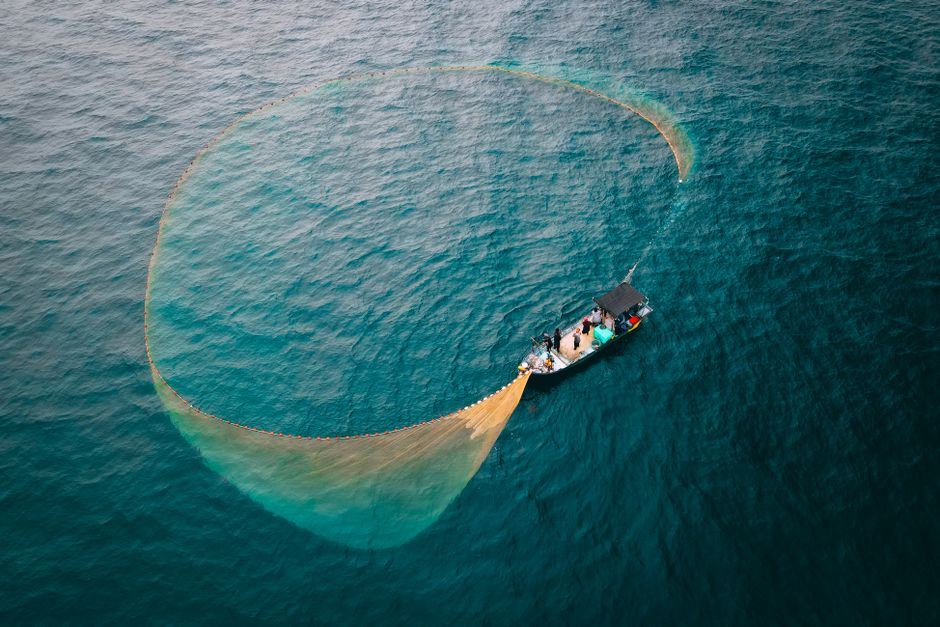
Key Trends in Sustainable Fishing Equipment
1. Biodegradable Fishing Line
Conventional monofilament and fluorocarbon lines can take 500–600 years to decompose. New biodegradable lines — often made from plant-based polymers or modified nylon — break down in as little as 2–5 years in aquatic environments while maintaining comparable tensile strength and abrasion resistance.
2. Lead-Free Weights and Sinkers
Lead poisoning is a serious threat to waterfowl and aquatic life. Tungsten, bismuth, steel, and even recycled brass are now common alternatives. Tungsten, in particular, offers higher density than lead, meaning smaller profiles for the same weight — a bonus for finesse presentations.
3. Recycled and Recyclable Lures
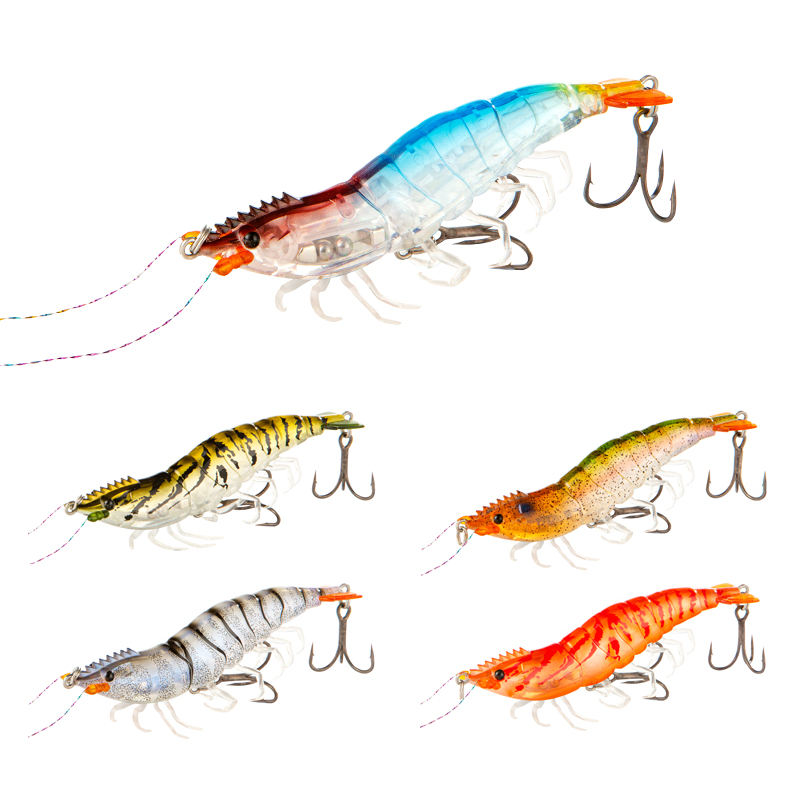
Brands are experimenting with lures made from recycled plastic bottles, reclaimed wood, and biodegradable resins. Some manufacturers now run take-back programs that turn old hard baits into new ones.
4. Eco-Friendly Rods and Reels
Rod blanks made from recycled carbon fiber, reel bodies from reclaimed aluminum, and handles from cork alternatives like EVA foam or recycled cork composites are entering the mainstream.
5. Plastic-Free Packaging
Minimalist, biodegradable packaging is becoming a selling point. Some companies have eliminated blister packs entirely, using recycled cardboard and soy-based inks.
Comparison Table: Traditional vs. Sustainable Tackle
| Component | Traditional Material | Sustainable Alternative | Performance Impact |
|---|---|---|---|
| Fishing line | Nylon, fluorocarbon | Biodegradable polymer | Comparable strength, slightly less UV resistance |
| Sinkers | Lead | Tungsten, bismuth, steel | Equal or better; higher cost |
| Lures | Virgin plastic | Recycled/bioresin | Similar action, limited color range |
| Rod blank | Virgin carbon fiber | Recycled carbon fiber | 5–10% weight increase |
| Packaging | Blister packs | Recycled cardboard | None |
Practical Tips for Anglers Going Green
Start with Line and Terminal Tackle
These are the items most likely to be lost in the environment. Switching to biodegradable line and lead-free weights delivers the biggest immediate impact.
Adopt a 'Leave No Trace' Mindset
- Carry a small container for broken line, used hooks, and packaging.
- Retrieve snagged lures whenever safely possible.
- Avoid fishing in sensitive spawning areas during peak seasons.
Maintain and Repair Gear
Extending the life of your rods, reels, and lures is one of the most sustainable things you can do. Learn to replace guides, re-lubricate reels, and repaint chipped lures instead of replacing them.
Buy from Transparent Brands
Look for companies that publish sustainability reports, use third-party certifications, and offer recycling or take-back programs.
What's Coming Next: Innovations on the Horizon
The next wave of sustainable tackle is already in development:
- Mycelium-based lure bodies: Compostable and fully biodegradable.
- Solar-powered reels: Prototypes with integrated solar cells to power digital line counters.
- AI-driven gear lifecycle apps: Track the environmental impact of your tackle box.
- Closed-loop manufacturing: Factories that recycle 90%+ of their waste streams.
How to Evaluate a 'Sustainable' Product
Greenwashing is real. Use this checklist before you buy:
- Is the claim specific (e.g., 'biodegradable in 3 years') or vague ('eco-friendly')?
- Is there third-party certification (e.g., USDA BioPreferred, OK Compost)?
- Does the brand disclose its supply chain?
- Is the product actually durable, or will it need frequent replacement?
The Bottom Line
Sustainable fishing equipment is no longer a compromise — it is a competitive advantage. As regulations tighten and consumer expectations rise, the brands that invest in eco-innovation will lead the market. For anglers, the transition offers a chance to protect the waters we love while enjoying gear that performs just as well as — and sometimes better than — traditional tackle.
Start small, choose wisely, and fish with the future in mind.
Share your market, target species and estimated quantities — we reply with a sampling plan and a quotation.