English
 简体中文
简体中文 Русский
 Español
 Deutsch
Why Homeowners Search for Artificial Grass Installation Companies Near Me
If you have ever typed "artificial grass installation companies near me" into a search engine, you are not alone. Thousands of homeowners, property managers, and business owners make this exact search every month. The reasons vary: a muddy backyard that never dries out, a dog that destroys natural turf, a desire to cut water bills, or simply the dream of a lush green lawn that looks perfect year-round without mowing, watering, or fertilizing.
But finding the right installer is not as simple as picking the first company that appears in local search results. The artificial turf industry has grown rapidly, and with that growth comes a wide range of quality levels, pricing models, and business practices. Some companies are true craftsmen who have installed thousands of square feet of synthetic grass. Others are general landscapers who treat turf as a side service. This guide will walk you through everything you need to know to choose the best artificial grass installation company near you.
What Does an Artificial Grass Installation Company Actually Do?
Before you start comparing quotes, it helps to understand the full scope of work involved in a professional synthetic turf installation. A reputable company does far more than roll out green carpet over dirt. The process typically includes:
- Site assessment and measurement: Evaluating drainage, soil conditions, slope, sun exposure, and existing vegetation.
- Base preparation: Excavating the area, compacting a crushed stone or decomposed granite base, and ensuring proper drainage away from structures.
- Weed barrier and edge restraint: Installing geotextile fabric and securing the perimeter with bender board, concrete, or steel edging.
- Turf selection: Helping you choose the right pile height, face weight, blade shape, color, and backing for your specific use case.
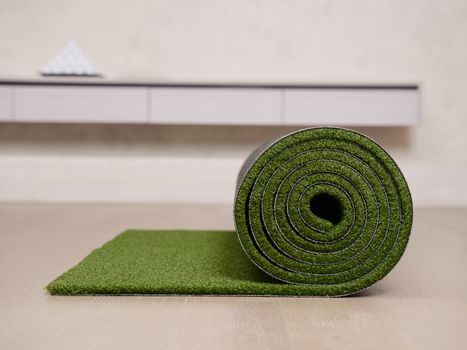
- Cutting and fitting: Precision-cutting turf rolls to fit odd shapes, curves, and obstacles like trees, planters, and sprinkler heads.
- Seaming and securing: Gluing seams with specialized tape and adhesive, then nailing or stapling the turf perimeter.
- Infill application: Spreading silica sand, acrylic-coated sand, or organic infill to weigh down the turf and support the blades.
- Power brooming and final inspection: Brushing the turf to stand the blades upright and checking for wrinkles, gaps, or drainage issues.
Each of these steps matters. A company that skips or rushes base preparation, for example, will likely deliver a lawn that develops ripples, dips, or poor drainage within a year or two.
How to Find Artificial Grass Installation Companies Near Me
1. Start With Local Search and Maps
Searching "artificial grass installation companies near me" in Google Maps is a great starting point because it surfaces businesses that are physically close to you and shows customer reviews, photos, and service areas. Pay attention to review count and recency, not just the star rating. A company with 200 reviews and a 4.7 rating is generally a safer bet than one with 8 reviews and a 5.0 rating.
2. Check Industry Certifications
Look for installers who are members of trade organizations such as the Synthetic Turf Council (STC) or the Association of Synthetic Grass Installers (ASGI). These memberships indicate a commitment to industry standards, training, and ethical business practices. Some manufacturers also certify preferred installers, which can be a strong quality signal.
3. Ask About Warranty Terms
Most synthetic turf products carry an 8- to 15-year manufacturer warranty, but the installation workmanship warranty is separate. Ask specifically: How long is the labor warranty? What does it cover? Will the company return to fix seams, wrinkles, or drainage problems free of charge?
4. Request Local References
A trustworthy installer should be able to provide addresses or photos of completed projects in your area. If possible, visit one of those installations and look closely at the seams, edges, and how the turf has held up after a few seasons.
5. Verify Insurance and Licensing
Ask for proof of general liability insurance and workers' compensation coverage. In many states, landscaping and turf installation require a contractor's license. Verify the license number with your state or local licensing board.
Key Questions to Ask Before Hiring
When you contact artificial grass installation companies near you, come prepared with a list of questions. The answers will quickly reveal whether a company is professional and transparent.
| Question | What a Good Answer Looks Like |
|---|---|
| How long have you been installing synthetic turf? | At least 3–5 years of dedicated turf experience, not just occasional jobs. |
| What base material do you use and how deep? | 2–4 inches of compacted crushed stone or DG, depending on soil and drainage. |
| Do you handle drainage and grading? | Yes, with a clear explanation of slope, French drains, or drainage cells. |
| What turf brands do you carry? | Well-known manufacturers with published specs and warranties. |
| Is infill included in the quote? | Yes, with the type and amount clearly specified. |
| How do you handle pet waste and odors? | Recommendations for antimicrobial infill, turf density, and cleaning routines. |
| What is the total cost per square foot? | A transparent range that accounts for site prep, materials, labor, and cleanup. |
Understanding Artificial Grass Installation Costs
Cost is one of the biggest factors in choosing an installer, but it is also one of the most misunderstood. The price per square foot for artificial grass installation typically ranges from $8 to $20 or more, depending on your region, site conditions, turf quality, and the complexity of the job.
Here is a rough breakdown of what drives the price:
- Turf material: $2–$6 per square foot for mid- to high-quality products.
- Base materials: $1–$3 per square foot for stone, sand, and weed barrier.
- Labor: $3–$8 per square foot, higher in expensive metro areas.
- Infill: $0.50–$2 per square foot depending on type.
- Extras: Removal of old turf, tree removal, drainage work, or custom edging can add significantly to the total.
Be wary of quotes that are dramatically lower than everyone else's. Lowball bids often mean thin base preparation, cheap turf, or hidden fees added later. Conversely, the most expensive quote is not automatically the best. Compare line items, not just totals.
Red Flags to Watch Out For
Not every company that advertises artificial grass installation is qualified. Watch for these warning signs:
- No physical address or local phone number.
- Pressure to sign a contract immediately or pay a large deposit in cash.
- Vague answers about base depth, drainage, or infill.
- No written warranty or a warranty that only covers materials.
- No portfolio, references, or photos of completed work.
- Quotes given over the phone without an on-site inspection.
- Requests for full payment before the job is complete.
DIY vs. Professional Installation
Some homeowners consider installing artificial grass themselves to save money. While DIY is possible for small areas, it is labor-intensive and unforgiving. The most common DIY mistakes include insufficient base compaction, poor drainage, visible seams, and wrinkled turf. In many cases, fixing a failed DIY installation costs more than hiring a professional in the first place. For lawns larger than a few hundred square feet, or for areas with slopes, trees, or pet use, professional installation is usually the smarter investment.
How to Get the Best Results From Your Installer
Once you have chosen a company, a little preparation on your end can improve the outcome:
- Clear the work area of furniture, toys, and debris before the crew arrives.
- Mark irrigation lines, electrical cables, and gas lines.
- Discuss the turf direction and pile orientation so seams blend naturally.
- Ask for a walkthrough at the end of each major phase.
- Keep a copy of the warranty and care instructions.
- Water the turf lightly and brush it periodically to keep blades upright.
Maintaining Your New Artificial Lawn
One of the biggest advantages of synthetic turf is low maintenance, but "low" does not mean "none." Rinse the turf occasionally to remove dust and pet waste, brush high-traffic areas to prevent matting, and remove leaves and debris promptly. In hot climates, some homeowners use a light misting to cool the surface. With proper care, a quality installation can look great for 15 years or more.
Final Thoughts: Choosing the Right Artificial Grass Installer Near You
Searching for "artificial grass installation companies near me" is the easy part. The real work is vetting those companies carefully. Prioritize experience, transparency, proper base preparation, strong warranties, and local references. Get at least three written quotes, ask detailed questions, and do not let price alone make the decision. When you hire the right installer, you are not just buying a lawn — you are investing in years of hassle-free, green, beautiful outdoor space.