English
 简体中文
简体中文 Русский
 Español
 Deutsch
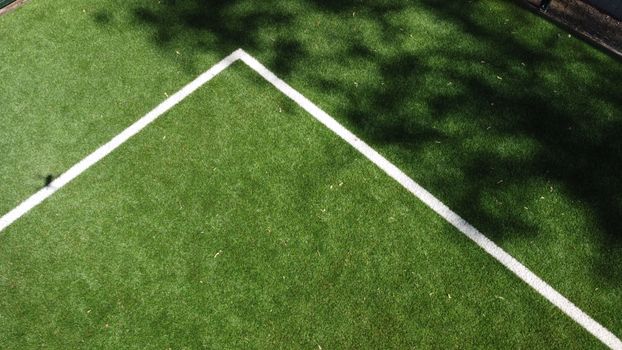
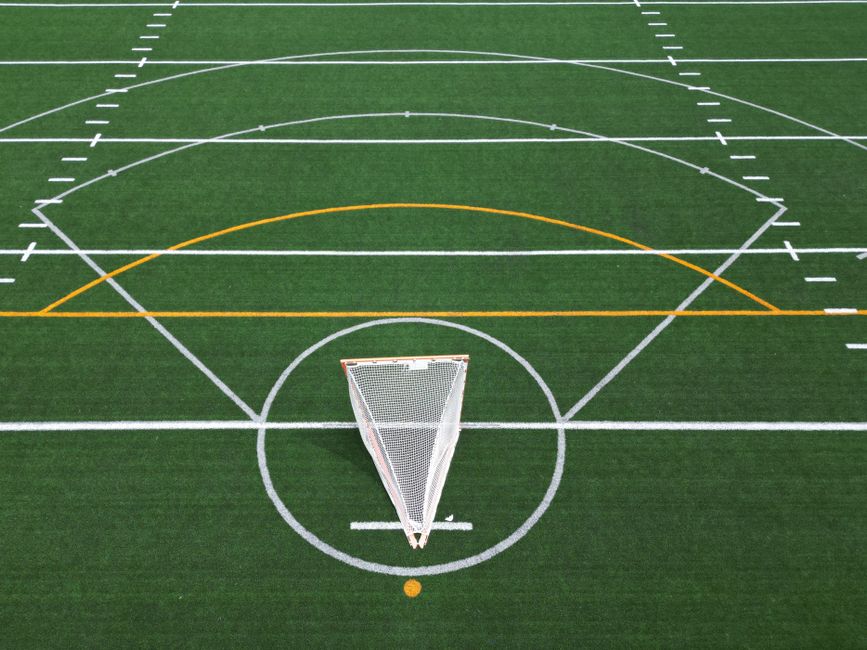
1. Dramatic Reduction in Water Consumption
Water is one of the most significant ongoing costs for any commercial property. Traditional lawns can consume tens of thousands of gallons of water every year, especially in warmer climates where irrigation systems must run almost daily during peak season. For businesses managing large landscapes—office parks, retail centers, hotels, and corporate campuses—this translates into both high utility bills and a substantial environmental footprint.
Artificial turf eliminates irrigation entirely. Once installed, synthetic grass requires no sprinklers, no drip lines, and no municipal water supply. Property managers in drought-prone regions such as California, Texas, and Arizona often see their landscape water usage drop to zero, which can save thousands of dollars annually on a mid-sized commercial lot.
Beyond cost savings, reducing water use supports corporate sustainability goals and can help properties qualify for green building certifications and local rebate programs that reward water-efficient landscaping.
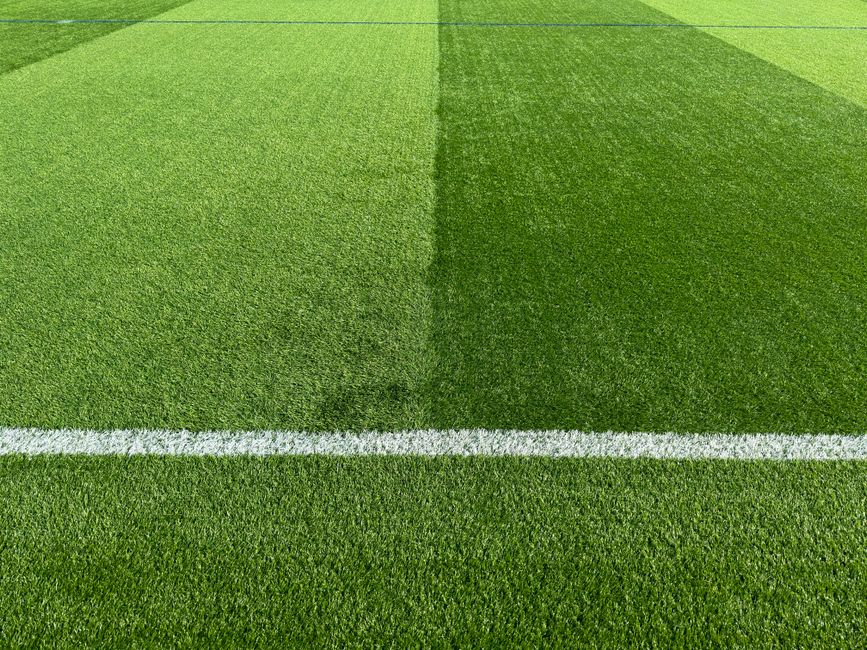
2. Slashed Maintenance Costs and Labor Hours
A natural lawn demands constant attention: mowing, edging, fertilizing, aerating, overseeding, and weed control. For commercial properties, those tasks mean either hiring a landscaping crew or dedicating in-house staff time week after week. Over a year, the labor and equipment costs add up quickly.
Artificial turf dramatically simplifies maintenance. A periodic rinse, occasional brushing, and removal of debris are typically all that is needed. There is no mowing schedule to coordinate, no fuel or equipment to maintain, and no grass clippings to dispose of.
Many property owners find that synthetic turf pays for itself within a few years through reduced maintenance alone. The predictable, low-cost upkeep also makes budgeting easier, since there are no seasonal spikes in landscaping expenses.
3. Consistent, Year-Round Curb Appeal
First impressions matter in commercial real estate. A lush, green landscape signals that a property is well managed, which can influence tenant decisions, customer perceptions, and even lease rates. Unfortunately, natural grass is unpredictable—it browns in heat, thins in shade, and turns muddy after rain.
Artificial turf stays green and uniform in every season, regardless of weather or climate. It never develops bare patches, weed infestations, or disease. This consistency is especially valuable for hotels, restaurants, and retail centers where outdoor appearance directly affects customer experience.
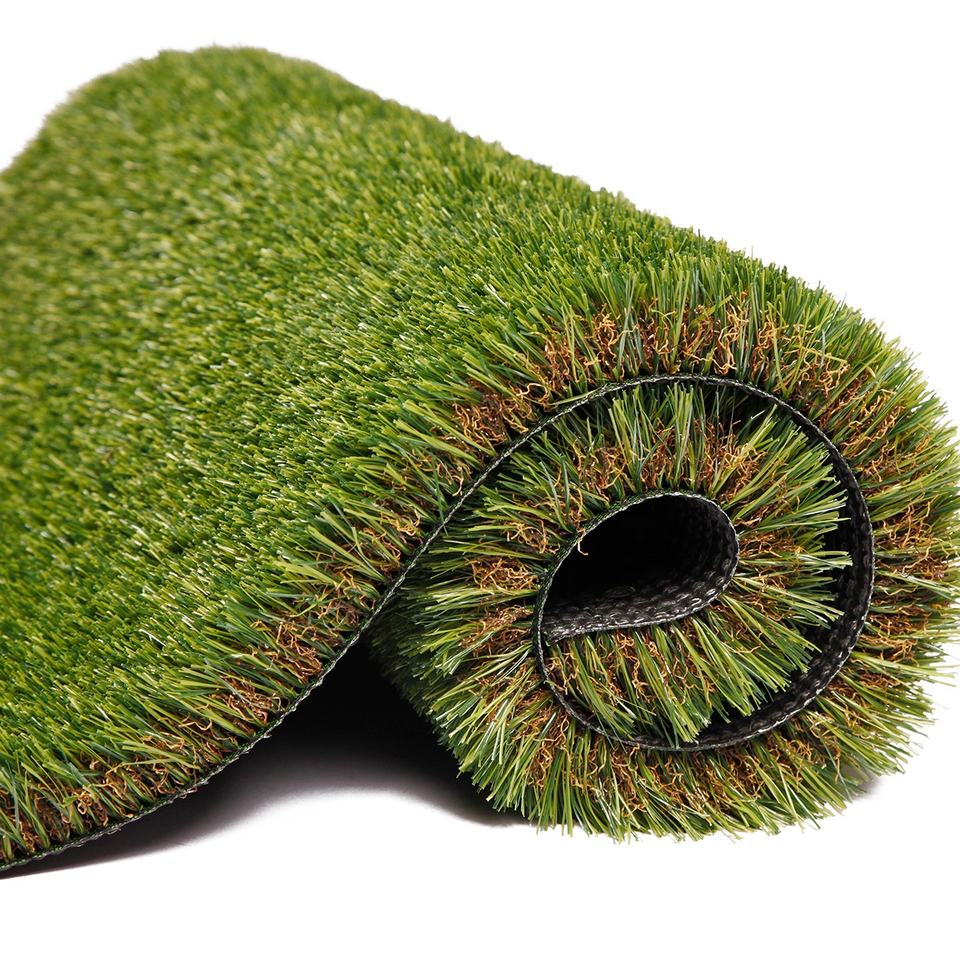
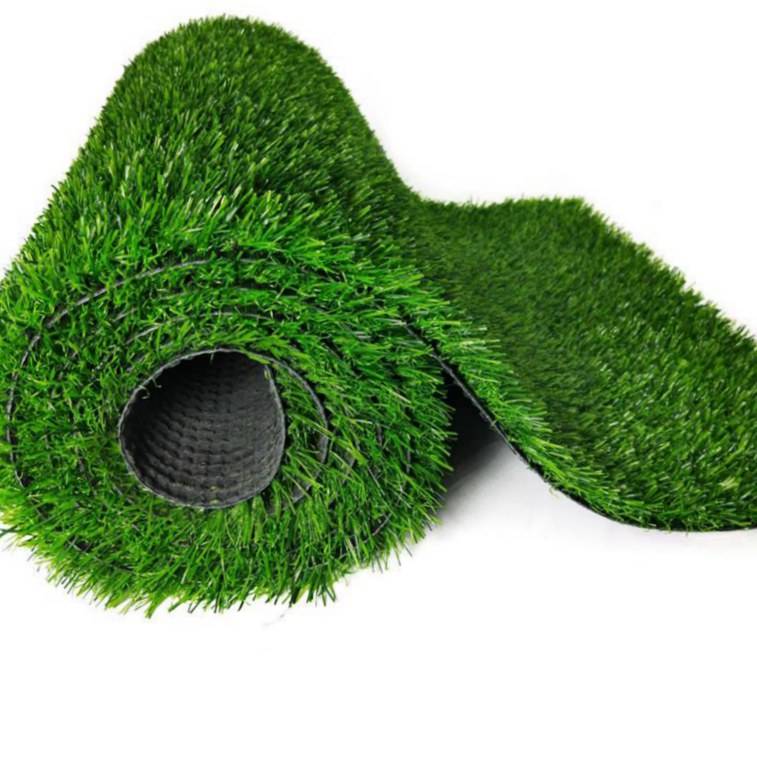
Modern synthetic products are engineered to look and feel remarkably natural, with varying blade heights and colors that mimic real grass. Visitors rarely notice the difference, but they do notice that the landscape always looks pristine.
4. Durability and Heavy Foot Traffic Performance
Commercial landscapes often endure far more traffic than residential yards. Employees crossing lawns, customers walking to entrances, and events held outdoors can quickly wear down natural grass, leaving muddy patches and compacted soil.
Artificial turf is built to withstand constant use. Quality synthetic systems are designed with durable fibers and stable backing that resist matting and recover their shape. High-traffic areas remain usable even after heavy rain, since modern drainage systems allow water to pass through quickly.
This durability makes artificial turf ideal for dog parks, playgrounds, event lawns, and rooftop terraces where natural grass would struggle to survive. The surface stays functional and attractive year after year with minimal intervention.
5. Elimination of Pesticides, Fertilizers, and Allergens
Maintaining a healthy natural lawn usually involves chemical treatments. Fertilizers, herbicides, and pesticides keep grass green and weed-free, but they also introduce environmental and health concerns. Runoff can pollute local waterways, and chemical exposure can be an issue for employees, guests, and pets.
Artificial turf removes the need for these treatments entirely. There is no fertilizer to apply, no weed killer to spray, and no pesticide to manage. This creates a safer environment for everyone who uses the space.
Synthetic grass also produces no pollen, making it a smart choice for properties near offices, clinics, or schools where allergy sufferers may be present. The result is a cleaner, healthier landscape with fewer chemical inputs.
6. Faster Installation and Minimal Downtime
Time is money in commercial projects. Installing a natural lawn from seed or sod takes weeks or months to establish, and newly planted areas often must be fenced off until they mature. Artificial turf, by contrast, can be installed quickly and is ready for use almost immediately.
Professional installers can prepare the base, lay the turf, and complete infill in a matter of days for most commercial spaces. There is no grow-in period, no waiting for roots to take hold, and no risk of newly seeded areas washing out in a storm.
For property managers working around tenant schedules or grand openings, this speed is a major advantage. Landscapes can be transformed with minimal disruption to daily operations.
7. Positive Environmental Impact Beyond Water Savings
While water conservation is the headline benefit, artificial turf offers additional environmental advantages. Eliminating gas-powered mowers and trimmers reduces emissions and noise pollution. Without fertilizer and pesticide runoff, local soil and waterways stay cleaner.
Many modern synthetic turf products are also manufactured with recycled materials and can be recycled at the end of their lifespan, depending on the system. Choosing these products supports a circular economy and strengthens a company's sustainability story.
For businesses that publish ESG reports or market themselves as eco-friendly, installing artificial turf is a visible, tangible demonstration of environmental responsibility that customers and investors can see.
8. Improved Safety and Accessibility
Natural grass can become slippery, uneven, or muddy, creating tripping hazards and accessibility challenges. These issues are particularly problematic for commercial properties that must comply with ADA standards and maintain safe walkways.
Artificial turf provides a stable, level surface that drains well and maintains consistent traction. It can be installed with shock-absorbing padding for playgrounds and sports areas, reducing injury risk. Wheelchairs, walkers, and strollers move more easily across synthetic turf than across soft, uneven ground.
This combination of safety and accessibility makes artificial turf a practical choice for senior living communities, schools, healthcare facilities, and public spaces.
9. Increased Property Value and ROI
Commercial landscaping is an investment, and artificial turf can deliver measurable returns. Lower water and maintenance costs improve net operating income. Enhanced curb appeal can support higher occupancy and rents. Durable, low-maintenance surfaces reduce long-term capital expenditures.
Appraisers and buyers increasingly recognize synthetic turf as a value-added feature, particularly in regions where water costs are high or landscaping is difficult to maintain. For property owners planning to sell or refinance, a well-installed artificial turf system can be a selling point.
When evaluated over a 15- to 20-year lifespan, the total cost of ownership for artificial turf is often significantly lower than that of natural grass, making it a financially sound decision for commercial properties.
10. Design Flexibility for Any Commercial Space
Artificial turf is not limited to flat lawns. It can be installed on rooftops, terraces, courtyards, slopes, and oddly shaped areas where natural grass would be impractical. Designers can create custom patterns, logos, and multi-texture layouts that reinforce a brand identity.
From pet relief areas at apartment complexes to putting greens at resorts, synthetic turf adapts to nearly any commercial application. It pairs well with hardscaping, planters, and lighting to create polished outdoor environments.
This flexibility allows architects and property managers to turn underused spaces into attractive, functional amenities—without the constraints that come with living grass.