 English
 简体中文
简体中文 Русский
 Español
 Deutsch
New to snooker? Our beginner‘s guide covers table sizes, slate beds, cloth, cushions, budget, and accessories. Find the perfect snooker table today!
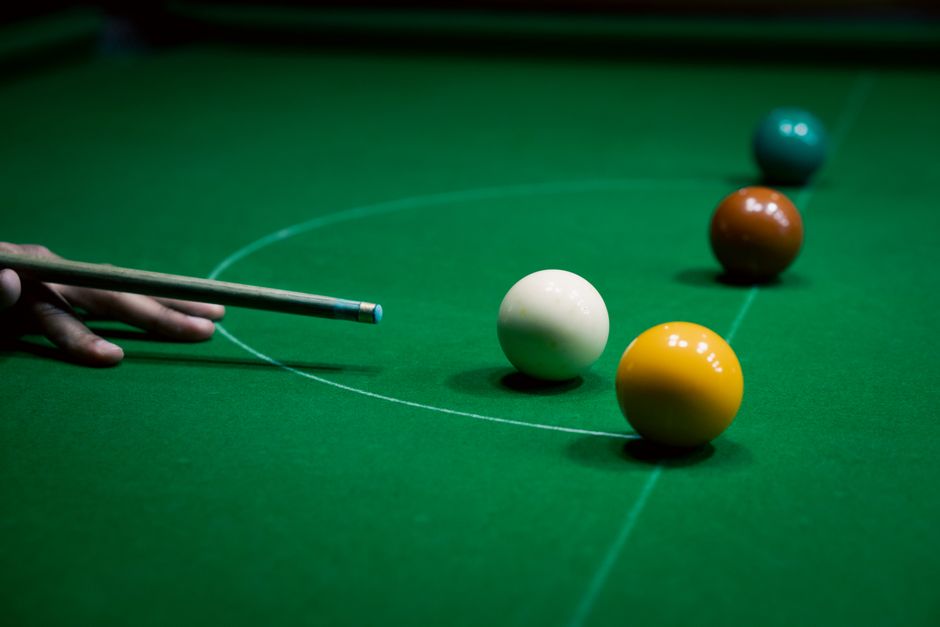
Introduction: Why the Right Snooker Table Matters
Buying your first snooker table is an exciting milestone, but it can also feel overwhelming. Unlike a pool table, a snooker table has specific dimensions, cloth characteristics, and cushion profiles that dramatically affect gameplay. Whether you are setting up a home game room, a club, or a commercial venue, choosing the wrong table can lead to frustration, poor shot consistency, and wasted money. This beginner-friendly guide walks you through every critical decision—from size and slate thickness to cloth type and accessories—so you can buy with confidence.

1. Understand Snooker Table Dimensions and Room Requirements
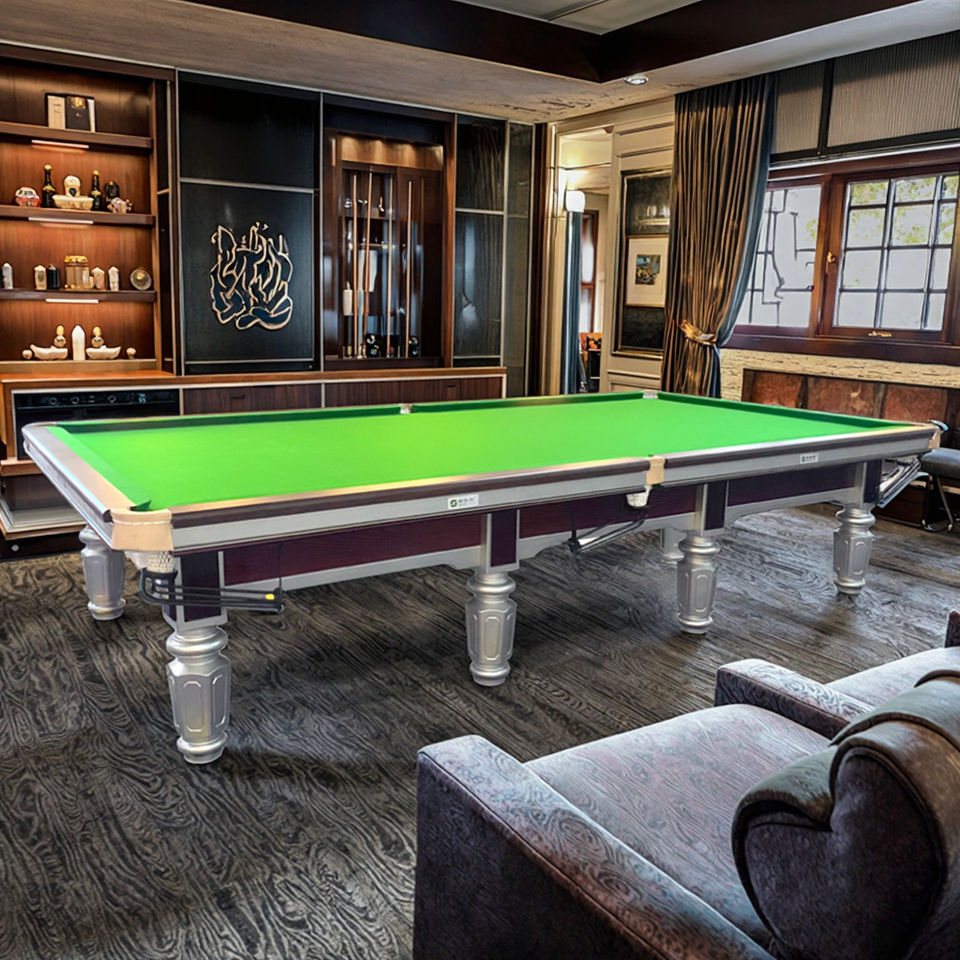
Snooker tables come in several standard sizes, but the full-size tournament table is 12 feet (3.57 m) long and 6 feet (1.83 m) wide. Smaller options include 10-foot, 9-foot, 8-foot, and even 7-foot tables, often called "snooker/pool hybrids." For serious snooker play, a 12-foot table is the gold standard, but it demands a large room.
Minimum Room Size Guide
You need at least 4 to 5 feet of clearance on all sides for cueing. Use this quick reference:
| Table Size | Playing Surface (L x W) | Minimum Room (L x W) |
|---|---|---|
| 12 ft | 11'8" x 5'10" | 22' x 16' |
| 10 ft | 9'8" x 4'10" | 19' x 14' |
| 9 ft | 8'8" x 4'4" | 18' x 13' |
| 8 ft | 7'8" x 3'10" | 17' x 12' |
Measure your room carefully, including doorways and ceiling height. A 12-foot table needs a room at least 22 feet by 16 feet for comfortable play. If space is tight, consider a smaller table or a convertible model.

2. Slate Bed: The Heart of Any Quality Snooker Table
The playing surface of a snooker table is almost always made of slate. Slate provides a perfectly flat, stable, and level surface that resists warping. Cheaper tables use MDF or particle board, which will never give you a true roll.
Slate Thickness
Slate thickness is measured in inches or millimeters. Common options:
- 1 inch (25 mm): Entry-level, acceptable for casual play but prone to slight flex.
- 1.5 inches (38 mm): Good mid-range choice for home tables.
- 2 inches (50 mm): Professional standard, used in tournaments and clubs.
For a beginner, a 1-inch or 1.5-inch slate is usually sufficient. However, if you plan to play seriously or host competitive matches, invest in a 2-inch slate. Also check whether the slate is one-piece or three-piece. Three-piece slates are easier to move and install, but they must be perfectly leveled and seamed.
3. Cushions and Pocket Design
Snooker cushions are narrower and have a different profile than pool cushions. They are covered in the same cloth as the bed and are designed to give a true rebound. Look for tables with rubber cushions (not foam) and a consistent bounce across the entire rail. Cheap tables often have dead cushions that ruin positional play.
Pockets on a snooker table are rounded and smaller than pool pockets, with a typical opening of 3.5 inches (85 mm) for the middle pockets and 3.5 to 4 inches for corner pockets. The pocket cut affects difficulty: tighter pockets demand more precision. For beginners, a slightly more forgiving pocket (around 3.75 inches) can make the game more enjoyable while still teaching accuracy.
4. Cloth: Speed, Durability, and Feel
Snooker cloth is traditionally made of wool and nylon blend, often referred to as "baize." It is faster and finer than pool cloth. The two main types are:
- Woolen cloth: Traditional, slower, and more forgiving. Great for beginners.
- Worsted cloth: Faster, smoother, and more durable. Preferred by advanced players.
Cloth weight is measured in ounces per square yard. Common weights for snooker are 20 oz to 24 oz. Heavier cloth lasts longer but plays slower. Lighter cloth is faster but wears out quicker. For a home table, a 21-22 oz woolen or worsted blend is a solid compromise. Also consider color: traditional green is classic, but blue, burgundy, and grey are increasingly popular.
5. Frame, Legs, and Build Quality
A snooker table is heavy—a 12-foot slate table can weigh over 1,000 kg (2,200 lbs). The frame must be sturdy and made from solid hardwood such as oak, ash, or mahogany. Avoid particle board frames, which can sag under the weight of the slate.
Legs should be thick and either bolted or mortise-and-tenon jointed. Check for adjustable feet or shims to level the table on uneven floors. A well-built table will have a solid, non-wobbly feel when you lean on the rails.
6. Budget: What to Expect at Different Price Points
| Price Range | What You Get | Best For |
|---|---|---|
| $500 – $1,500 | MDF or thin slate, foam cushions, basic cloth | Kids, casual recreation |
| $1,500 – $4,000 | 1-inch slate, decent cushions, woolen cloth | Home beginners |
| $4,000 – $10,000 | 1.5–2-inch slate, hardwood frame, quality cloth | Serious home players |
| $10,000+ | Tournament-grade, 2-inch slate, professional fittings | Clubs, professionals |
Remember that delivery and installation can add $500 to $2,000, especially for a 12-foot table. Always ask for a full quote including setup and leveling.
7. Essential Accessories for Beginners
Your table purchase is just the beginning. Budget for these accessories:
- Cues: Start with a 57-inch, 17-19 oz cue. Buy two or three so guests can play.
- Balls: Use a full set of 22 snooker balls (15 reds, 6 colors, 1 white). Quality sets are made of phenolic resin.
- Triangle and rest: A wooden triangle for racking and a spider rest for awkward shots.
- Chalk and tip tools: Keep tips shaped and chalked for consistent contact.
- Cover: Protect your table from dust and sunlight when not in use.
- Scoreboard: A manual or electronic scoreboard helps track frames.
8. New vs. Used: Pros and Cons
Buying used can save 30-50%, but inspect carefully. Check for slate cracks, sagging frames, worn cloth, and dead cushions. Ask if the table has been re-clothed recently and whether it was professionally dismantled. A used tournament table from a closing club can be a fantastic bargain if the slate is intact. New tables come with warranties and professional installation, which is ideal for beginners who want peace of mind.
9. Installation and Maintenance Tips
Proper installation is critical. Slate must be leveled with a spirit level and shimmed precisely. Cloth should be stretched evenly to avoid wrinkles. After installation, vacuum the cloth weekly with a soft brush attachment and avoid placing drinks on the rails. Re-cloth every 3-5 years depending on use. Keep the table away from direct sunlight and humidity swings to prevent warping.
10. Final Checklist Before You Buy
- Measure your room and confirm clearance.
- Decide on table size (12 ft for serious snooker).
- Check slate thickness and number of pieces.
- Test cushion rebound and pocket cut.
- Confirm frame material and leg stability.
- Choose cloth type and weight.
- Budget for delivery, installation, and accessories.
- Ask about warranty and after-sales support.
With this guide, you are ready to choose a snooker table that fits your space, skill level, and budget. Take your time, ask questions, and remember: a quality table is an investment that will bring you years of enjoyment.
Share your site, game, table sizes and quantities — we reply with a sampling plan and a quotation.