 English
 简体中文
简体中文 Русский
 Español
 Deutsch
- 01
Scope
The rooms, channels or storage categories this programme covers, and the volume they have to work across.
- 02
Size and material set
The size ladder, material and finish combination proposed, and how it holds together as a range.
- 03
Packing and channel
Flat-pack or assembled, retail shelf-ready or parcel-network ready, with labelling to your specification.
Automated Storage Retrieval System News and Updates: The Complete 2025 Guide
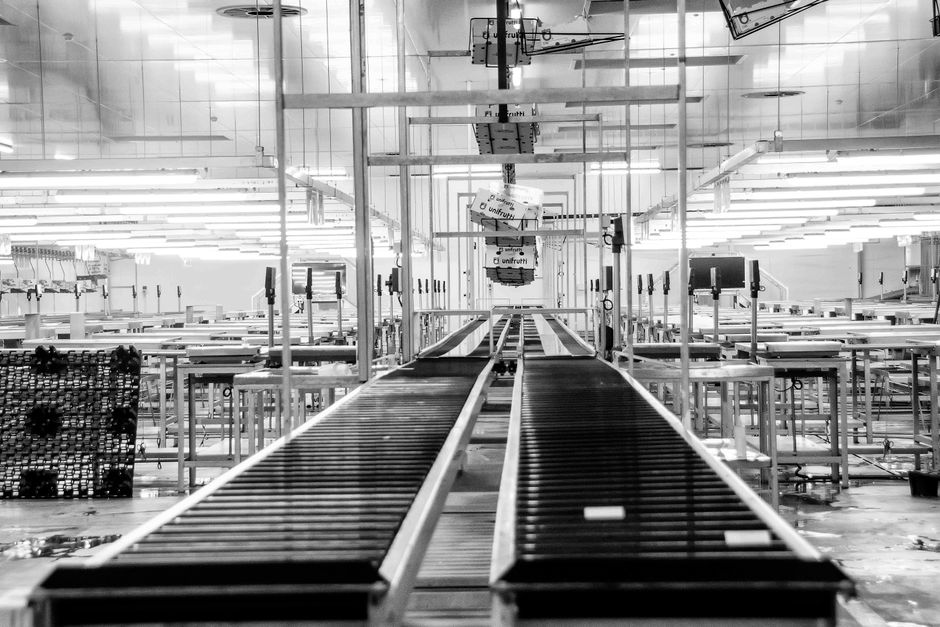
The world of warehousing and material handling is changing faster than ever. Automated storage and retrieval systems (AS/RS) — once reserved for massive distribution centers with seven-figure budgets — are now within reach for mid-sized operations, e-commerce fulfillment hubs, and even specialized cold-storage and pharmaceutical facilities. In this comprehensive guide, we break down the latest news, technology updates, and practical adoption tips for AS/RS in 2025 and beyond.
Whether you are a warehouse manager evaluating your first automated installation or an operations director planning a multi-site rollout, this article will give you the context, benchmarks, and actionable advice you need to make confident decisions.
What Is an Automated Storage and Retrieval System?
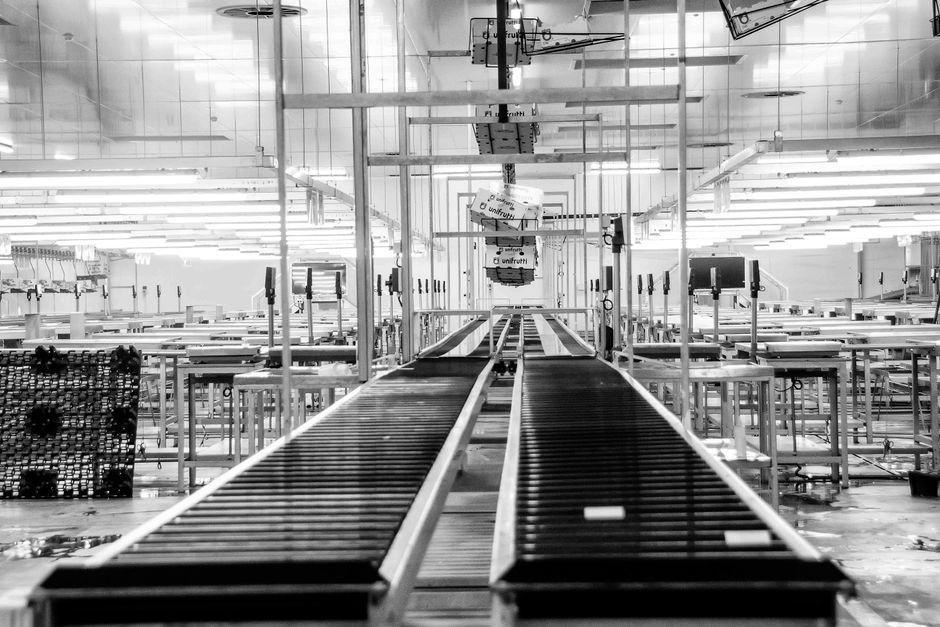
An automated storage and retrieval system is a computer-controlled method of storing and retrieving goods from defined storage locations. Instead of a forklift operator driving to a rack, the system uses robots, shuttles, cranes, or elevators to bring the required tote, pallet, or tray directly to a picking station — a concept often called "goods-to-person" (G2P) picking.
Core AS/RS categories include:
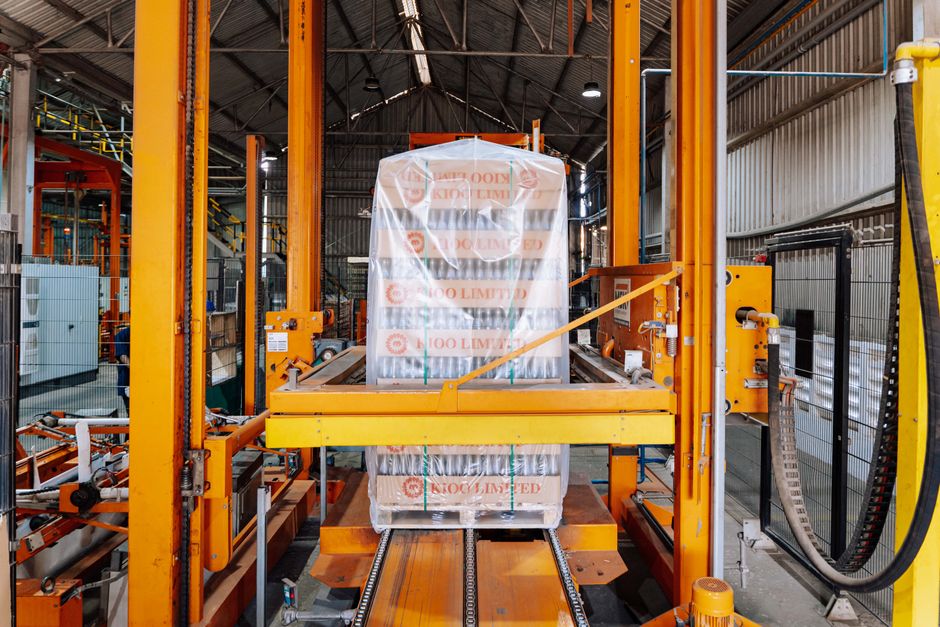
- Unit-load AS/RS: Handles full pallets or large containers, typically with stacker cranes in high-bay racks.
- Mini-load AS/RS: Stores smaller totes, trays, and cartons, ideal for e-commerce and spare-parts operations.
- Vertical Lift Modules (VLMs): Enclosed towers that bring trays to an ergonomic window, popular for small parts and tooling.
- Horizontal Carousels: Rotating shelving units that deliver bins to a picker, still cost-effective for high-throughput order picking.
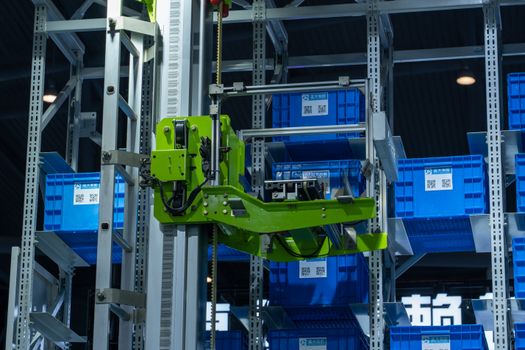
- Shuttle-based and cube-based systems: Newer grid-based robots (such as autonomous mobile robots in dense storage grids) that offer extreme flexibility and scalability.
Latest AS/RS News and Industry Updates for 2025
1. AI-Driven Slotting and Dynamic Re-Slotting
One of the biggest updates this year is the mainstream adoption of AI-based slotting engines. Instead of static ABC analysis performed quarterly, modern AS/RS software continuously re-slot inventory based on real-time demand signals, seasonality, and SKU velocity. Warehouses using dynamic re-slotting report picking productivity gains of 15–30% within the first six months.
2. Robotics-as-a-Service (RaaS) Lowers the Entry Barrier
Capital expenditure remains the biggest obstacle to AS/RS adoption. In response, many vendors now offer subscription-based models where the hardware, software, and maintenance are bundled into a monthly fee. This shifts AS/RS from a capital project to an operational expense, making ROI calculations far simpler for CFOs.
3. Interoperability Standards Are Maturing
New API standards and open protocols (including VDA 5050 for AMR fleets) mean that AS/RS equipment from different vendors can now communicate more reliably. This reduces vendor lock-in and allows phased automation — start with a mini-load, add AMRs later, and integrate everything through a warehouse execution system (WES).
4. Energy Efficiency Becomes a Selling Point
Regenerative braking, lightweight shuttle designs, and smart sleep modes have cut AS/RS energy consumption by up to 40% compared with systems installed five years ago. For cold-storage operators, this is especially significant because every watt saved also reduces refrigeration load.
5. Micro-Fulfillment and Urban Warehousing
With consumers expecting same-day delivery, AS/RS is moving into smaller urban footprints. Compact cube-storage systems can now fit into buildings of 5,000–15,000 square feet, enabling micro-fulfillment centers in city centers and even retail backrooms.
Key Benefits: Why Companies Are Investing Now
| Benefit | Typical Impact |
|---|---|
| Storage density | Up to 85% floor-space reduction vs. manual racking |
| Labor productivity | 2–4x picks per hour per operator |
| Accuracy | 99.9%+ inventory accuracy with automated scanning |
| Safety | Fewer forklift accidents and reduced ergonomic strain |
| Scalability | Modular expansion without building expansion |
How to Evaluate an AS/RS for Your Operation
Step 1: Define Your Throughput and SKU Profile
Start with hard data: lines picked per hour, order profiles, SKU dimensions, weight ranges, and seasonality. AS/RS vendors will ask for this information, and accurate inputs prevent costly over- or under-sizing.
Step 2: Calculate Total Cost of Ownership (TCO)
Look beyond the purchase price. Include installation, integration with your WMS/ERP, energy, maintenance contracts, spare parts, and the cost of downtime. A five-year TCO model is standard practice among leading integrators.
Step 3: Pilot Before You Commit
Many vendors now offer pilot programs or simulation software that models your exact SKU mix and order flow. Run a digital twin simulation before signing a contract — it is the cheapest way to validate assumptions.
Step 4: Plan for Maintenance and Uptime
Ask about mean time between failures (MTBF), spare-parts availability, remote diagnostics, and service-level agreements. Best-in-class systems achieve 99%+ uptime, but only with a proactive maintenance plan.
Practical Tips for a Smooth AS/RS Implementation
- Clean your master data first: Inaccurate SKU dimensions and weights will cause jams and mis-stores.
- Involve operators early: The people who will use the system daily often spot design flaws that engineers miss.
- Phase the rollout: Automate your highest-velocity area first, then expand once the process is stable.
- Train for exception handling: 90% of daily tasks are routine; the remaining 10% determine whether your go-live succeeds.
- Monitor KPIs from day one: Track picks per hour, uptime, error rates, and energy use to build the business case for further automation.
What's Next: Trends to Watch
Looking ahead, expect tighter integration between AS/RS and autonomous mobile robots, more predictive-maintenance capabilities powered by IoT sensors, and continued growth in RaaS. Sustainability will also remain a priority, with vendors competing on energy efficiency and recyclable materials.
The bottom line: AS/RS is no longer a futuristic luxury — it is a practical, proven investment for warehouses facing labor shortages, rising real-estate costs, and ever-tighter delivery windows. Staying informed about the latest news and updates is the first step toward making a smart automation decision.