 English
 简体中文
简体中文 Русский
 Español
 Deutsch
- 01
Scope
The rooms, channels or storage categories this programme covers, and the volume they have to work across.
- 02
Size and material set
The size ladder, material and finish combination proposed, and how it holds together as a range.
- 03
Packing and channel
Flat-pack or assembled, retail shelf-ready or parcel-network ready, with labelling to your specification.
What Are Industrial Shelving Recall Notices?
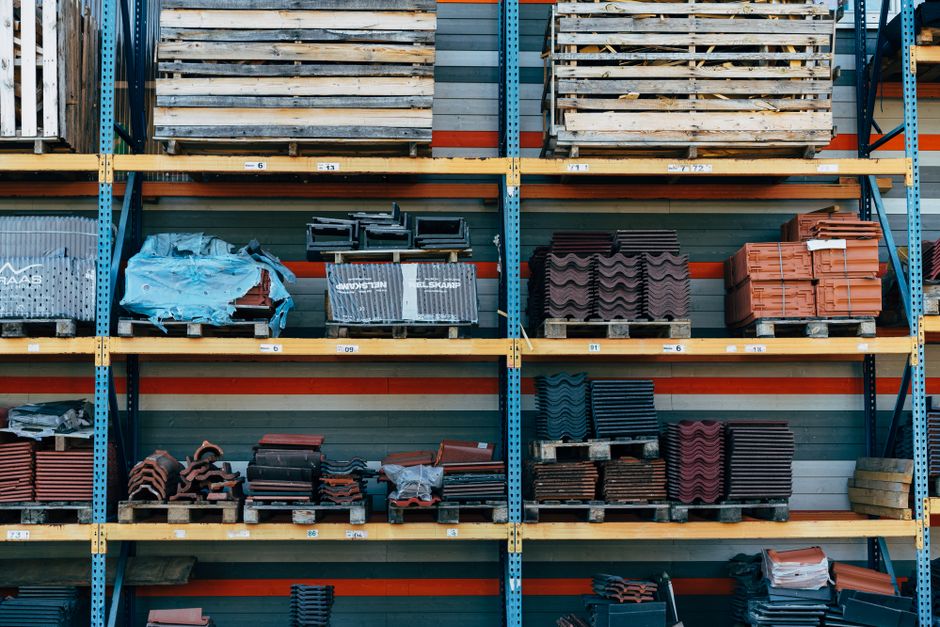
Industrial shelving recall notices are official announcements issued by manufacturers, distributors, or regulatory agencies such as the U.S. Consumer Product Safety Commission (CPSC) when a shelving product is found to pose an unreasonable risk of injury or death. These notices typically apply to specific models, batch numbers, or production date ranges and instruct owners to stop using the affected units immediately.
Unlike recalls for consumer furniture, industrial shelving recalls often involve warehouse racking, pallet racks, boltless shelving, and heavy-duty storage systems used in commercial and industrial environments. Because these structures support significant loads and are frequently accessed by workers, a structural defect can lead to catastrophic collapses, crushing injuries, and even fatalities.
Recall notices usually outline the hazard, identify the affected products, and provide clear instructions for remediation—ranging from free repair kits and replacement parts to full refunds or professional dismantling services. Ignoring these notices not only jeopardizes worker safety but may also expose businesses to legal liability and OSHA penalties.
Why Do Industrial Shelving Recalls Happen?
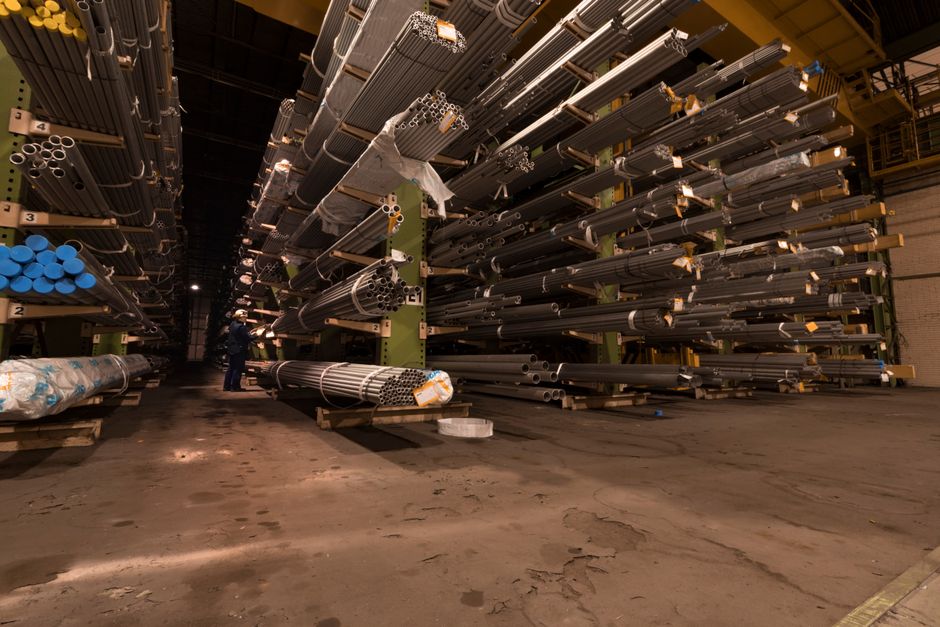
Industrial shelving recalls happen for a variety of reasons, most commonly involving design flaws, manufacturing defects, or inadequate load-rating information. A single weak weld, undersized beam, or incorrect steel gauge can compromise an entire racking system, especially when it is loaded to capacity day after day.
Other common triggers include faulty locking pins that allow beams to disengage, substandard powder coating that accelerates corrosion, and inaccurate capacity labels that mislead users into overloading shelves. In some cases, recalls are prompted by a pattern of reported incidents—such as collapses, tip-overs, or component failures—that regulatory bodies investigate and confirm.
Importantly, recalls can also stem from non-compliance with industry standards like ANSI MH16.1 for industrial steel storage racks or RMI (Rack Manufacturers Institute) guidelines. When a product fails to meet these benchmarks, manufacturers may voluntarily recall it to avoid enforcement action and protect their brand reputation.
How Can I Find Out If My Shelving Has Been Recalled?
The fastest way to check for an industrial shelving recall is to visit the CPSC website (cpsc.gov) and search the recalls database using your shelving brand, model number, or manufacturer name. Most reputable manufacturers also maintain a dedicated recall page on their own websites, often with searchable serial number tools and downloadable notices.
You can also register your shelving purchase with the manufacturer at the time of installation. Registration ensures you receive direct notifications if a recall is issued. If you purchased through a distributor or integrator, contact them directly—they are usually required to pass along recall information to their customers.
For older or inherited racking systems, look for identification plates, stamped model numbers, or brand markings on uprights and beams. If you cannot identify the manufacturer, consider hiring a qualified racking inspector who can cross-reference components against known recall lists and industry bulletins.
What Should I Do If My Shelving Is Under Recall?
If you discover that your industrial shelving is under recall, the first step is to immediately stop using the affected units and prevent access to them. Barricade the area, unload any stored materials if it can be done safely, and inform all warehouse personnel about the hazard. Do not attempt to modify or repair the shelving yourself unless the recall notice explicitly permits it.
Next, contact the manufacturer or the recall hotline listed in the notice. They will typically provide a remedy such as a free repair kit, replacement components, or a refund. Follow their instructions precisely, and keep records of all communications, including dates, names, and reference numbers.
Finally, document the remediation process with photos and inspection reports. This documentation is valuable for OSHA compliance, insurance claims, and internal safety audits. Once the remedy is completed, have a qualified professional inspect the shelving before returning it to service.
Are Recall Notices Legally Binding for Businesses?
Recall notices are not always legally binding in the same way as a court order, but they carry significant legal and regulatory weight. In the United States, the CPSC can mandate recalls for products that violate safety standards or pose substantial hazards. Failure to comply can result in civil penalties, forced recalls, and even criminal charges in extreme cases.
For businesses, ignoring a recall notice can be especially risky. If an employee is injured by recalled shelving, the employer may be cited by OSHA for failing to provide a safe workplace. Additionally, insurance companies may deny claims if the business knowingly used recalled equipment.
Even voluntary recalls should be treated as mandatory from a risk-management perspective. The cost of compliance—repairs, replacements, or temporary downtime—is almost always far lower than the potential cost of a workplace accident, lawsuit, or regulatory fine.
How Often Are Industrial Shelving Recalls Issued?
Industrial shelving recalls are relatively rare compared to consumer product recalls, but they do occur several times per year across North America and Europe. The frequency depends on factors such as manufacturing quality, regulatory scrutiny, and the volume of shelving sold. High-profile recalls tend to cluster around specific product lines or production batches.
According to CPSC data, storage and shelving products account for a small but consistent share of recalls, often involving tip-over hazards, structural failures, or incorrect load ratings. Many recalls are voluntary and initiated by manufacturers after internal testing or customer complaints reveal a defect.
Because recalls can happen at any time, businesses should treat recall monitoring as an ongoing safety practice rather than a one-time check. Subscribing to CPSC alerts, following industry publications, and maintaining relationships with suppliers can help you stay informed.
What Are the Most Common Hazards in Shelving Recalls?
The most common hazards cited in industrial shelving recalls include structural collapse, beam disengagement, and tip-over. Structural collapse typically results from weak welds, inadequate steel thickness, or corrosion, and can cause serious crushing injuries to workers below.
Beam disengagement occurs when safety clips or locking mechanisms fail, allowing horizontal beams to pop out of uprights under load. This can send pallets and merchandise crashing down without warning. Tip-over hazards are more common in lighter-duty boltless and rivet shelving, especially when units are overloaded or not anchored to the floor.
Other hazards include sharp edges, unstable stacking configurations, and chemical exposure from defective powder coatings. Recall notices usually specify which hazard applies and what corrective action is required.
How Can I Prevent Recall-Related Accidents?
Preventing recall-related accidents starts with proactive risk management. Maintain a detailed inventory of all shelving systems, including brand, model, capacity, and installation date. This makes it easy to cross-reference against recall databases and respond quickly if a notice is issued.
Conduct regular inspections—at least annually, and more often in high-traffic warehouses. Look for signs of damage, corrosion, loose connections, or missing safety clips. Train employees to report any unusual movement, noise, or deformation immediately.
Finally, work only with reputable manufacturers and suppliers who comply with ANSI MH16.1 and RMI standards. Ask about their recall history and warranty policies before purchasing. A well-maintained, compliant shelving system is your best defense against recall-related incidents.
Where Can I Get Help With a Shelving Recall?
If you need assistance with an industrial shelving recall, start with the manufacturer's recall hotline or customer service department. They can confirm whether your product is affected and guide you through the remediation process.
You can also contact the CPSC at 1-800-638-2772 or visit their website for recall listings and safety guidance. For professional inspections, hire a certified racking inspector through organizations like RMI or a licensed engineering firm.
Industry associations, trade publications, and your shelving distributor can also provide support. When in doubt, err on the side of caution: stop using the shelving, document everything, and seek expert advice before resuming operations.