Introduction
Choosing the right size screwdriver is crucial for any DIY enthusiast, professional tradesperson, or homeowner. Using the wrong size can damage screws, strip heads, and even cause injury. With so many screwdriver types and sizes available, it can be overwhelming to pick the correct one. This guide will walk you through everything you need to know to select the perfect screwdriver for any task.
Understanding Screwdriver Sizes
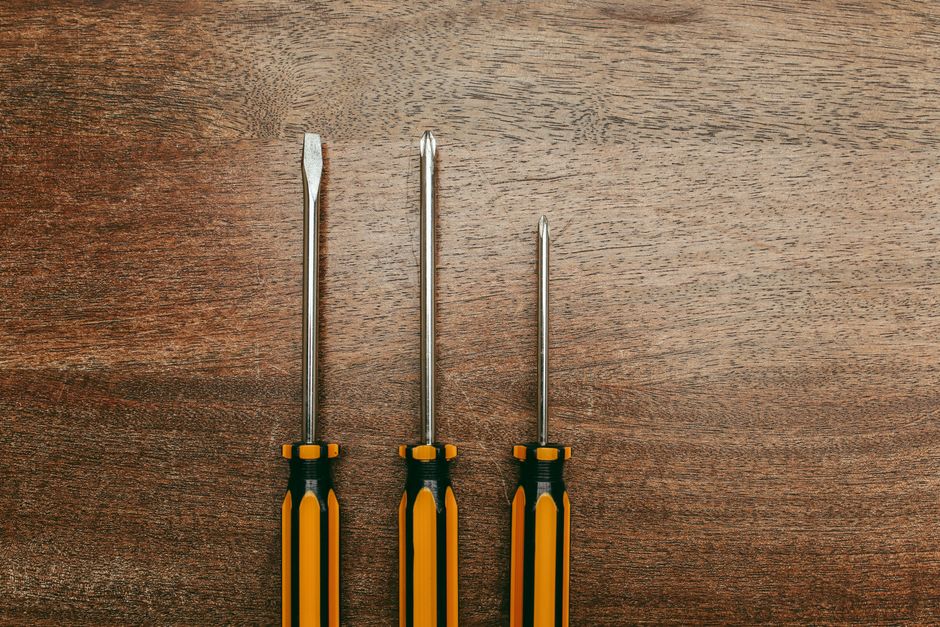
Screwdriver sizes are typically defined by two key measurements: the length of the shaft and the size of the tip. The tip size must match the screw head precisely to avoid cam-out (slipping) and damage.
Shaft Length
The shaft length affects reach and torque. Longer shafts provide more leverage but can be awkward in tight spaces. Shorter shafts are ideal for confined areas but offer less torque. Common lengths range from 1 inch to 12 inches or more.
Tip Size
Tip sizes vary by screwdriver type. For flathead screwdrivers, the tip width and thickness matter. For Phillips, sizes are numbered (e.g., #0, #1, #2). For Torx, sizes are denoted as T5, T10, etc. Always match the tip size to the screw head.
Types of Screwdrivers and Their Sizes
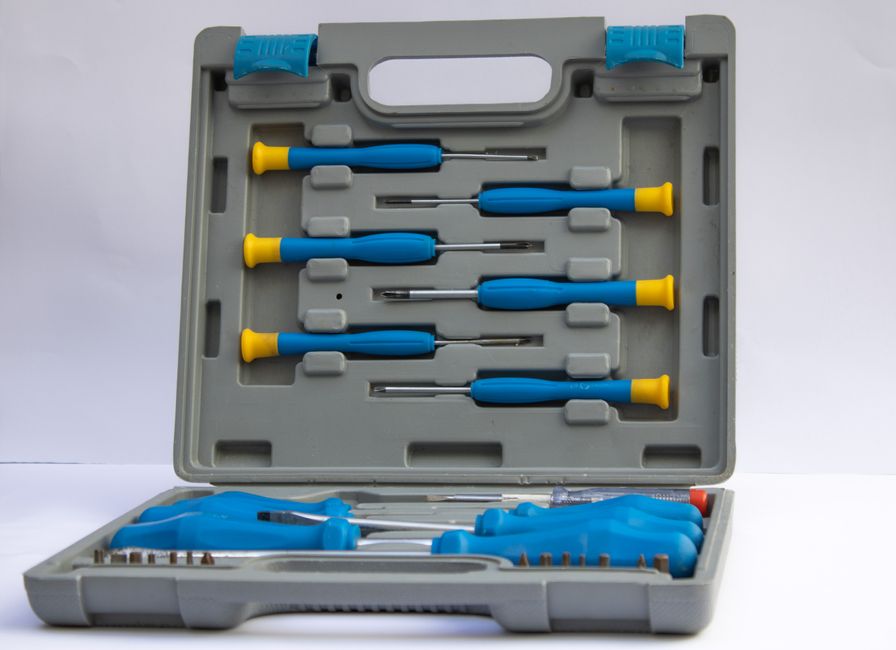
Different screw heads require different screwdrivers. Here are the most common types and how their sizes are measured.
Flathead (Slotted) Screwdrivers
Flathead screwdrivers are measured by the width of the tip (in fractions of an inch or millimeters) and the thickness of the blade. A tip that is too narrow will slip, while one too wide won't fit into the slot.
Phillips Screwdrivers
Phillips screwdrivers are sized by numbers: #000, #00, #0, #1, #2, #3, #4. The most common for general use is #2. The size corresponds to the cross shape; using the wrong size can strip the screw.
Torx Screwdrivers
Torx screwdrivers have a six-point star-shaped tip. Sizes are denoted as T1, T2, up to T60. They are commonly used in electronics and automotive applications.
Other Types
Other types include Pozidriv, Hex (Allen), Robertson (square), and JIS. Each has its own sizing system. Always check the screw head to identify the type.
How to Determine the Right Size
To choose the right size screwdriver, follow these steps:
- Identify the screw type: Look at the screw head. Is it flat, Phillips, Torx, etc.?
- Measure the screw head: Use a ruler or caliper to measure the width of the slot or the distance across the cross for Phillips.
- Match to screwdriver size: Refer to a size chart or test-fit screwdrivers until one fits snugly without play.
- Consider the application: For delicate electronics, use precision screwdrivers; for heavy-duty tasks, use larger sizes.
Size Charts for Common Screwdrivers
Below are approximate size charts to help you match screwdrivers to screws.
| Screwdriver Type | Size | Typical Use |
|---|---|---|
| Phillips | #0 | Small electronics, eyeglasses |
| Phillips | #1 | Small screws, toys |
| Phillips | #2 | General household, furniture |
| Phillips | #3 | Large screws, automotive |
| Flathead | 3/16" | Electrical outlets, small screws |
| Flathead | 1/4" | General use, chisels |
| Torx | T10 | Automotive, electronics |
| Torx | T20 | Automotive, appliances |
Note: These are general guidelines. Always test-fit before applying force.
Practical Tips for Choosing the Right Size
- Test the fit: Insert the screwdriver into the screw head. It should fit snugly without wobbling. If it wobbles, try a larger size.
- Don't force it: If the screwdriver doesn't fit, don't force it. You'll likely strip the screw.
- Use a bit set: A comprehensive bit set with multiple sizes ensures you always have the right size.
- Consider a ratcheting screwdriver: These often come with interchangeable bits and can save time.
- Check the screw head condition: If the screw head is damaged, you may need a screw extractor or a slightly larger screwdriver.
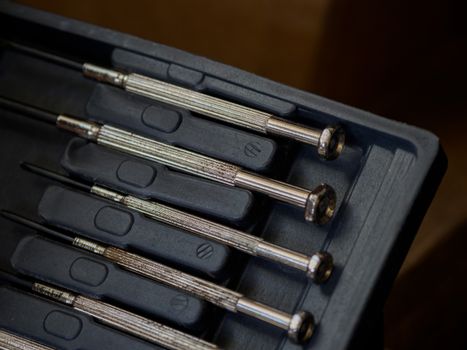
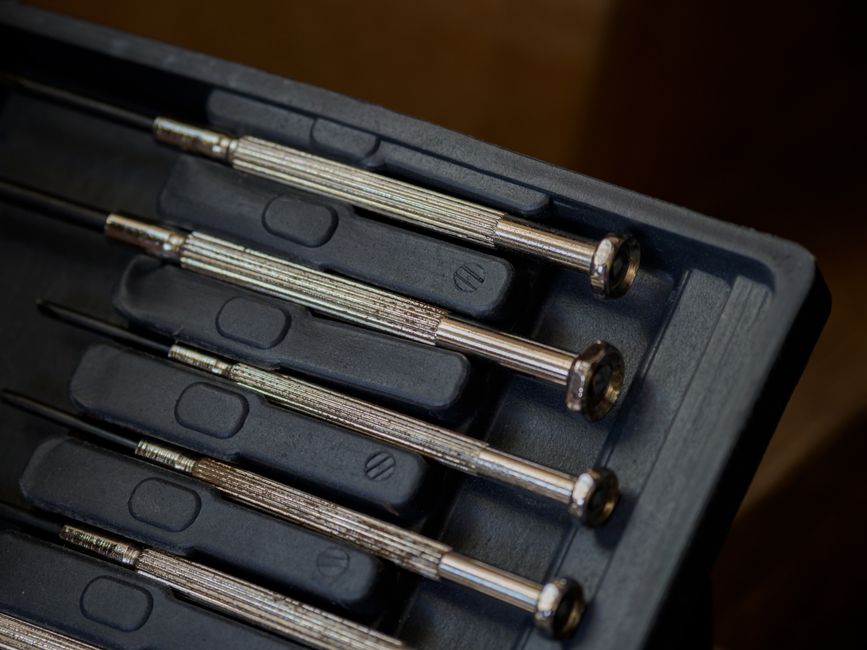
- For precision work: Use precision screwdrivers with rotating caps for better control.
Common Mistakes to Avoid
Many people damage screws by using the wrong size screwdriver. Here are common mistakes:
- Using a flathead screwdriver on a Phillips screw (and vice versa).
- Using a screwdriver that is too small, causing cam-out.
- Using a screwdriver that is too large, which won't fit into the screw head.
- Applying too much force with an ill-fitting screwdriver.
- Not using the correct type for specialty screws like Torx or Robertson.
When to Use a Screwdriver vs. a Power Driver
For repetitive tasks or large screws, a power driver (impact driver or drill with driver bits) can save time. However, for delicate work or where precision is needed, a manual screwdriver is better. Always ensure the bit size matches the screw to avoid stripping.
Conclusion
Choosing the right size screwdriver is a fundamental skill that prevents damage and ensures efficiency. By understanding screwdriver types, sizes, and matching them to the screw head, you'll complete tasks with ease. Remember to test-fit, use the correct type, and avoid forcing. With this guide, you're well-equipped to select the perfect screwdriver for any project.